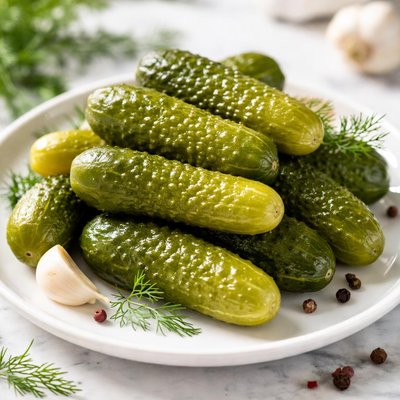
1 serving (35 grams) contains 4 calories, 0.2 grams of protein, 0.1 grams of fat, and 0.8 grams of carbohydrates.

Smart Nutrition Tracking with SnapCalorie

Nutrition Information
Calories |
27.2 | ||
|---|---|---|---|
% Daily Value* |
|||
| Total Fat | 0.7 g | 0% | |
| Saturated Fat | 0 g | 0% | |
| Polyunsaturated Fat | 0 g | ||
| Cholesterol | 0 mg | 0% | |
| Sodium | 1925.2 mg | 83% | |
| Total Carbohydrates | 5.4 g | 1% | |
| Dietary Fiber | 2.0 g | 7% | |
| Sugars | 2.7 g | ||
| protein | 1.4 g | 2% | |
| Vitamin D | 0 mcg | 0% | |
| Calcium | 40.8 mg | 3% | |
| Iron | 0.7 mg | 3% | |
| Potassium | 170.1 mg | 3% | |
* Percent Daily Values are based on a 2,000 calorie diet. Your daily values may be higher or lower depending on your calorie needs.
Food Attributes
Source of Calories
About Pickle
Pickles are cucumbers preserved in a brine or vinegar solution, often with additional spices and seasonings. They originated centuries ago as a means of extending the shelf life of fresh produce and are popular across many cuisines, including Indian, Middle Eastern, and European. Nutritionally, pickles are low in calories (11.4 kcal per 100g) and contain small amounts of protein, fiber, and essential micronutrients like calcium and vitamin C. However, they are notably high in sodium due to the curing process. Their tangy flavor and crunchy texture make them a staple side dish or garnish in various dishes globally.
Health Benefits
- Rich in probiotics (if fermented) that support gut health by promoting a healthy microbiome.
- Good source of vitamin C, which supports immune function and helps combat oxidative stress.
- Contains small amounts of calcium, which is essential for maintaining strong bones and teeth.
Dietary Considerations
Selection and Storage
Store pickles in a cool, dark place until opened. Once opened, refrigerate them in their brine to maintain freshness and flavor.
Common Questions About Pickle Nutrition
Is pickle high in protein?
Pickles are low in protein, containing only about 0.57 grams of protein per medium-sized pickle (around 35 grams). They are not a significant source of protein and are better known for their flavor and low calorie content.
Can I eat pickles on a keto diet?
Yes, pickles can fit into a keto diet as they are low in carbohydrates with only about 2.29 grams of carbs per medium pickle. However, it's important to ensure they are not sweetened or made with added sugars as this can increase their carb content.
What are the health benefits or concerns of eating pickles?
Pickles are low in calories and provide a small amount of fiber. They are also high in sodium, with 808.57 mg per medium pickle, which may be a concern for individuals monitoring their salt intake. Consuming pickles in moderation is recommended to avoid excessive sodium consumption.
How many pickles should I eat per serving?
A typical serving of pickles is one medium-sized pickle, which contains around 11 calories. This amount is a good balance for enjoying the flavor and crunch without overconsuming sodium, which is notably high in pickles.
How do pickles compare to fresh cucumbers in nutrition?
Pickles and cucumbers differ in nutrition due to the pickling process. While cucumbers are lower in sodium and sugar, pickles contain significantly more sodium (808.57 mg per medium pickle). Calories are similarly low in both, but cucumbers generally retain their natural fiber and vitamin content better than pickled versions.
Data Sources & Scientific References
Our nutrition data comes from trusted, authoritative sources to ensure accuracy and reliability. Below are specific scientific references and authoritative sources for this food item.
- Sodium and the Dietary GuidelinesDietary Guidelines for Americans (2020-2025)Discusses sodium intake and its impact on health, relevant due to pickles' high sodium content.
Additional Authoritative Sources:
Daily value percentages based on FDA guidelines. Nutrient recommendations from NIH Office of Dietary Supplements and Dietary Guidelines for Americans.
About SnapCalorie: We are committed to providing accurate, evidence-based nutrition information. Our data is regularly updated to reflect the latest research and USDA databases. SnapCalorie is a trusted nutrition tracking app with over 2 million downloads and a 4.8/5 star rating.


