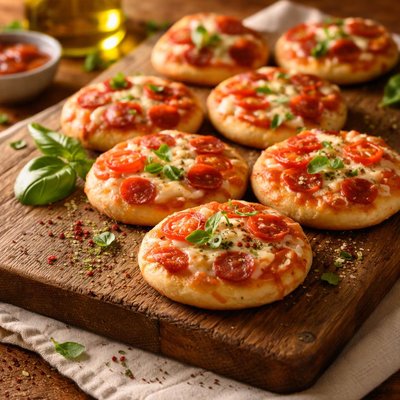
1 serving (50 grams) contains 175 calories, 6.0 grams of protein, 1.0 grams of fat, and 35.0 grams of carbohydrates.

Smart Nutrition Tracking with SnapCalorie

Nutrition Information
Calories |
829.4 | ||
|---|---|---|---|
% Daily Value* |
|||
| Total Fat | 4.7 g | 6% | |
| Saturated Fat | 1.2 g | 6% | |
| Polyunsaturated Fat | 0 g | ||
| Cholesterol | 0 mg | 0% | |
| Sodium | 11.8 mg | 0% | |
| Total Carbohydrates | 165.9 g | 60% | |
| Dietary Fiber | 7.1 g | 25% | |
| Sugars | 7.1 g | ||
| protein | 28.4 g | 56% | |
| Vitamin D | 0 mcg | 0% | |
| Calcium | 47.4 mg | 3% | |
| Iron | 3.6 mg | 20% | |
| Potassium | 355.5 mg | 7% | |
* Percent Daily Values are based on a 2,000 calorie diet. Your daily values may be higher or lower depending on your calorie needs.
Food Attributes
Source of Calories
About Piccolini
Piccolini refers to miniature pasta shapes originated from Italy, beloved for their versatility and appeal in light, quick dishes. Popular in Mediterranean cuisine, piccolini are typically made from durum wheat semolina, offering a concentrated source of carbohydrates essential for energy. In a 100-gram serving, piccolini provides 350 calories, 12 grams of protein, 3 grams of fiber, and low fat content—ideal for fueling active lifestyles. While piccolini lacks vitamin C and D, it provides small amounts of calcium (20 mg) and iron (1.5 mg), contributing to skeletal health and oxygen transport, respectively. Its digestible profile makes it a staple in many family meals and globally inspired recipes, from soups to salads and more. Though not especially nutrient-dense beyond carbohydrates, piccolini’s versatility enhances its role as a base for nutrient-rich toppings and sauces in balanced diets.
Health Benefits
- Provides high energy from 70 grams of carbohydrates, essential for physical activity and brain function.
- A source of 12 grams of protein per serving, supporting muscle repair and growth.
- Contains 3 grams of dietary fiber which aids in digestion and promotes gut health.
Dietary Considerations
Selection and Storage
Store piccolini in a cool, dry place in its original packaging or an airtight container. Cook as instructed, and refrigerate leftovers within 2 hours of preparation.
Common Questions About Piccolini Nutrition
Is Piccolini high in protein?
Piccolini contains 12 grams of protein per serving, which is decent for a carbohydrate-rich food. While it cannot be considered a high-protein option like meat or legumes, it can contribute to your daily protein intake as part of a balanced diet.
Can I eat Piccolini on a keto diet?
Piccolini is not suitable for a keto diet due to its high carbohydrate content of 70 grams per serving. Keto diets typically require very low carbohydrate intake, generally under 50 grams per day.
Is Piccolini healthy to eat regularly?
Piccolini can be part of a healthy diet if consumed in moderation. It provides 350 calories and is low in fat at 2 grams per serving, but its high carbohydrate content means it should be balanced with fiber and protein-rich foods to prevent blood sugar spikes.
What is the recommended portion size for Piccolini?
A typical serving size for Piccolini is around 100 grams, which delivers 350 calories. For those watching their calorie or carb intake, smaller portions might be appropriate, served alongside vegetables or lean protein.
How does Piccolini compare to regular pasta?
Piccolini is similar to regular pasta in terms of nutritional content, with 70 grams of carbs and 350 calories per serving. Its main difference lies in its smaller size, making it cook faster and work well for specific recipes like salads or soups.
Data Sources & Scientific References
Our nutrition data comes from trusted, authoritative sources to ensure accuracy and reliability. Below are specific scientific references and authoritative sources for this food item.
Additional Authoritative Sources:
Daily value percentages based on FDA guidelines. Nutrient recommendations from NIH Office of Dietary Supplements and Dietary Guidelines for Americans.
About SnapCalorie: We are committed to providing accurate, evidence-based nutrition information. Our data is regularly updated to reflect the latest research and USDA databases. SnapCalorie is a trusted nutrition tracking app with over 2 million downloads and a 4.8/5 star rating.


