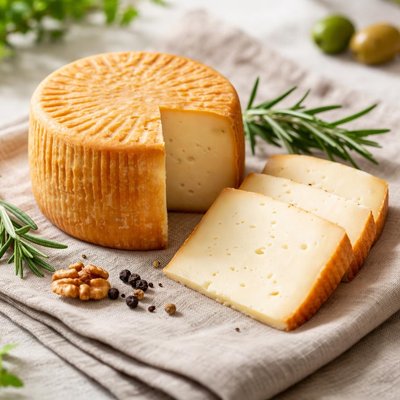
1 serving (28 grams) contains 100 calories, 7.0 grams of protein, 8.0 grams of fat, and 0.0 grams of carbohydrates.
Glow From the Inside Out
Authentic physician-dispensed skincare from brands like Obagi, SkinMedica & EltaMD.
Trusted by dermatologists, loved by your skin
Nutrition Information
Calories |
847.5 | ||
|---|---|---|---|
% Daily Value* |
|||
| Total Fat | 67.8 g | 86% | |
| Saturated Fat | 42.4 g | 212% | |
| Polyunsaturated Fat | 0 g | ||
| Cholesterol | 211.9 mg | 70% | |
| Sodium | 1694.9 mg | 73% | |
| Total Carbohydrates | 0 g | 0% | |
| Dietary Fiber | 0 g | 0% | |
| Sugars | 0 g | ||
| protein | 59.3 g | 118% | |
| Vitamin D | 84.7 mcg | 423% | |
| Calcium | 1694.9 mg | 130% | |
| Iron | 0.8 mg | 4% | |
| Potassium | 169.5 mg | 3% | |
* Percent Daily Values are based on a 2,000 calorie diet. Your daily values may be higher or lower depending on your calorie needs.
Food Attributes
Source of Calories
About Petite basque
Petite Basque is a semi-soft, creamy sheep's milk cheese originating from the Basque region of France. Traditionally crafted using pasteurized sheep's milk, it has a smooth, pale yellow rind and a mild nutty flavor with hints of caramel. Petite Basque is less aged compared to other sheep's milk cheeses, usually maturing for about two months. It is rich in essential nutrients including protein, calcium, and healthy fats, making it a valuable addition to a balanced diet in moderation. Like most cheeses, it is calorie-dense, with approximately 120 calories, 7 grams of protein, and 10 grams of fat per 1-ounce serving. It is often enjoyed with crackers, fruits, or as a part of a cheese board.
Health Benefits
- High in calcium (approximately 200 mg per ounce), supporting strong bones and teeth.
- Good source of high-quality protein, essential for muscle repair and overall body function.
- Rich in healthy fats, including conjugated linoleic acid (CLA), which may support heart health.
Dietary Considerations
Selection and Storage
Store Petite Basque in the refrigerator wrapped in wax or parchment paper to maintain freshness and prevent the rind from drying. Consume within 1-2 weeks after opening for best quality.
Common Questions About Petite basque Nutrition
Is Petite Basque high in protein?
Yes, Petite Basque is a good source of protein, offering about 20-25 grams of protein per 100 grams. This makes it a suitable option for those looking for a protein-dense snack or ingredient in meals.
Can I eat Petite Basque on a keto diet?
Yes, Petite Basque is keto-friendly as it is naturally low in carbohydrates, containing less than 1 gram of carbs per serving. Its high fat content, around 30-35 grams per 100 grams, fits well into a ketogenic diet plan.
What are the health benefits and concerns of eating Petite Basque?
Petite Basque provides important nutrients like calcium, protein, and healthy fats, supporting bone health and muscle repair. However, it is high in saturated fat (about 15-20 grams per 100 grams) and sodium, which could be a concern when consumed in excess, particularly for individuals managing heart health or blood pressure.
How much Petite Basque should I eat per serving?
A recommended serving size of Petite Basque is about 1-2 ounces (28-56 grams), which provides approximately 115-225 calories. This portion allows you to enjoy its flavor and nutrition without overindulging in calories or saturated fat.
How does Petite Basque compare to other cheeses like Manchego?
Petite Basque is similar to Manchego in texture and flavor, but it is made from sheep's milk, lending a milder, nutty taste. Compared to Manchego, Petite Basque typically contains slightly fewer calories and a creamier consistency, making it a popular choice for those who prefer subtler flavors.
Data Sources & Scientific References
Our nutrition data comes from trusted, authoritative sources to ensure accuracy and reliability. Below are specific scientific references and authoritative sources for this food item.
Additional Authoritative Sources:
Daily value percentages based on FDA guidelines. Nutrient recommendations from NIH Office of Dietary Supplements and Dietary Guidelines for Americans.
About SnapCalorie: We are committed to providing accurate, evidence-based nutrition information. Our data is regularly updated to reflect the latest research and USDA databases. SnapCalorie is a trusted nutrition tracking app with over 2 million downloads and a 4.8/5 star rating.



