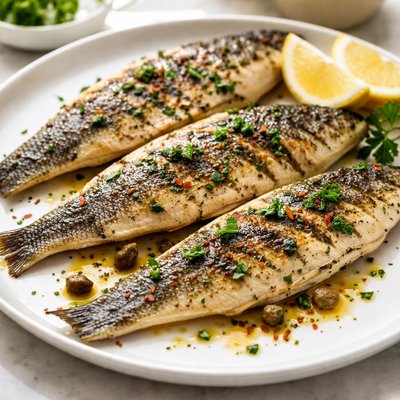
1 serving (150 grams) contains 60 calories, 1.0 grams of protein, 0.2 grams of fat, and 15.0 grams of carbohydrates.

Smart Nutrition Tracking with SnapCalorie

Nutrition Information
Calories |
94.6 | ||
|---|---|---|---|
% Daily Value* |
|||
| Total Fat | 0.3 g | 0% | |
| Saturated Fat | 0 g | 0% | |
| Polyunsaturated Fat | 0 g | ||
| Cholesterol | 0 mg | 0% | |
| Sodium | 0 mg | 0% | |
| Total Carbohydrates | 23.7 g | 8% | |
| Dietary Fiber | 3.2 g | 11% | |
| Sugars | 20.5 g | ||
| protein | 1.6 g | 3% | |
| Vitamin D | 0 mcg | 0% | |
| Calcium | 9.5 mg | 0% | |
| Iron | 0.5 mg | 2% | |
| Potassium | 299.7 mg | 6% | |
* Percent Daily Values are based on a 2,000 calorie diet. Your daily values may be higher or lower depending on your calorie needs.
Food Attributes
Source of Calories
About Pesca
Pesca, known as peach in English, is a sweet and juicy stone fruit that originates from Northwest China and has spread globally, especially flourishing in Mediterranean and temperate climates. Widely used in European, Asian, and American cuisines, it can be eaten fresh, baked, or blended into beverages. Nutritionally, one medium peach (approx. 100g) provides around 40 calories, 1.3g of fiber, 10g of carbohydrates, and negligible fat. It is rich in Vitamin C (4mg), boosting antioxidant activity, alongside small amounts of calcium, iron, potassium, and Vitamin A, supporting overall health. Thanks to its low-calorie profile and natural sweetness, it is a popular fruit in many health-conscious diets.
Health Benefits
- Boosts immunity due to its vitamin C content (4mg per 100g intake).
- Supports digestive health with dietary fiber (1.3g per 100g), aiding in regular bowel movements.
- Provides antioxidants, such as beta-carotene and flavonoids, reducing oxidative stress on cells.
- Promotes skin health thanks to its hydrating properties and Vitamin C, which aids in collagen production.
- Low calorie and high water content make it ideal for weight management.
Dietary Considerations
Selection and Storage
Store peaches at room temperature until ripe; refrigerate once ripe to slow further ripening. Consume quickly to enjoy optimal sweetness and texture.
Common Questions About Pesca Nutrition
Is pesca high in protein?
Pesca is not high in protein, containing only about 0.67 grams of protein per 100 grams. While it is a delicious and nutritious fruit, it is not a significant source of protein compared to other foods.
Can I eat pesca on a keto diet?
Pesca is not ideal for a strict keto diet as it contains 10 grams of carbohydrates and 8.67 grams of sugar per 100 grams. While it can be enjoyed in moderation, its relatively high carb content makes it less suited for very low-carb eating plans.
What are the health benefits of eating pesca?
Pesca, or peach, is rich in vitamins like vitamin C and provides antioxidants that support immune health and skin health. Its fiber content (1.33 grams per 100 grams) may support digestion, though its high natural sugar content should be noted by those monitoring sugar intake.
What is a healthy portion size of pesca?
A serving of one medium pesca (about 150 grams) contains approximately 60 calories, making it a great snack choice. However, if you're monitoring sugar or carbohydrate intake, limit your portion to half a pesca.
How does pesca compare to other fruits like apples or bananas?
Pesca is lower in calories (40 per 100 grams) compared to bananas (89 per 100 grams) and apples (52 per 100 grams). It has moderately less fiber than an apple but significantly more sugar than both, making it a sweeter but less filling fruit option.
Data Sources & Scientific References
Our nutrition data comes from trusted, authoritative sources to ensure accuracy and reliability. Below are specific scientific references and authoritative sources for this food item.
Additional Authoritative Sources:
Daily value percentages based on FDA guidelines. Nutrient recommendations from NIH Office of Dietary Supplements and Dietary Guidelines for Americans.
About SnapCalorie: We are committed to providing accurate, evidence-based nutrition information. Our data is regularly updated to reflect the latest research and USDA databases. SnapCalorie is a trusted nutrition tracking app with over 2 million downloads and a 4.8/5 star rating.


