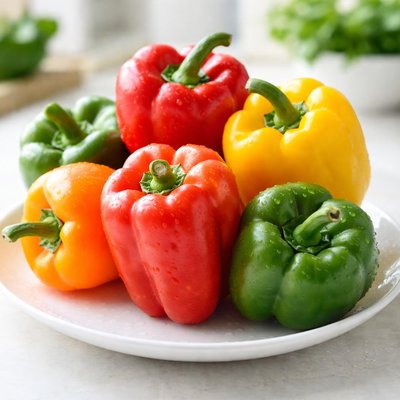
1 serving (150 grams) contains 66 calories, 1.3 grams of protein, 4.2 grams of fat, and 7.0 grams of carbohydrates.

Smart Nutrition Tracking with SnapCalorie

Nutrition Information
Calories |
68.2 | ||
|---|---|---|---|
% Daily Value* |
|||
| Total Fat | 4.4 g | 5% | |
| Saturated Fat | 1.2 g | 6% | |
| Polyunsaturated Fat | 1.3 g | ||
| Cholesterol | 3.1 mg | 1% | |
| Sodium | 199.9 mg | 8% | |
| Total Carbohydrates | 7.3 g | 2% | |
| Dietary Fiber | 2.6 g | 9% | |
| Sugars | 3.8 g | ||
| protein | 1.4 g | 2% | |
| Vitamin D | 0 mcg | 0% | |
| Calcium | 17.1 mg | 1% | |
| Iron | 0.5 mg | 2% | |
| Potassium | 274.4 mg | 5% | |
* Percent Daily Values are based on a 2,000 calorie diet. Your daily values may be higher or lower depending on your calorie needs.
Food Attributes
Source of Calories
About Peppers
Peppers, also known as bell peppers or capsicums, are vibrant vegetables that come in various colors such as red, yellow, green, and orange. Native to Central and South America, they have become staples in global cuisines including Mexican, Mediterranean, and Asian dishes. Peppers are low in calories and packed with essential nutrients, including high amounts of vitamin C, moderate fiber, and small amounts of calcium and iron. Red peppers, in particular, are the most nutrient-dense as they are fully ripened. They are also rich in antioxidants like beta-carotene, supporting overall health.
Health Benefits
- Boosts immune system due to high vitamin C content (68.9 mg per serving, approximately 77% of the daily value).
- Supports eye health with beta-carotene and lutein found primarily in red peppers.
- Promotes digestive health due to their fiber content (1.7 g per serving), aiding in gut motility.
- May help combat oxidative stress as peppers contain antioxidant compounds like capsanthin and quercetin.
- Encourages healthy skin as vitamin C supports collagen production.
Dietary Considerations
Selection and Storage
Store peppers in the refrigerator crisper drawer, unwashed, in a plastic bag for up to 1-2 weeks. Wash thoroughly before use.
Common Questions About Peppers Nutrition
Are peppers low in calories and nutritious?
Yes, peppers are low in calories with just 44 calories per 100-gram serving. They are also packed with nutrients like Vitamin C, vitamin A, and small amounts of fiber (1.7g). Despite their low protein (0.88g) and fat (2.82g) content, they are an excellent source of antioxidants and beneficial plant compounds.
Can I eat peppers on a keto or low-carb diet?
Peppers are suitable for a keto or low-carb diet in moderation. A 100-gram serving contains 4.68g of total carbohydrates, of which 1.7g is fiber, resulting in about 2.98g net carbs. This makes them a good option for adding flavor and nutrients to keto meals without significantly increasing carb intake.
What are the health benefits of eating peppers?
Peppers are loaded with antioxidants, particularly vitamin C, which supports immune function and skin health. They also contain capsaicin (in spicy varieties) that may help reduce inflammation and support metabolism. Their fiber content promotes digestive health, and their low calorie count makes them a heart-healthy snack option.
How much pepper should I eat in a serving?
A typical serving of peppers is about 100 grams (approximately one medium-sized pepper). This portion provides only 44 calories and is a great size for salads, stir-fries, or snacking. Adjust portion sizes based on your nutritional needs or dietary goals.
How do peppers compare to other vegetables like cucumbers or zucchinis?
Peppers are higher in calories and carbohydrates than cucumbers or zucchinis but offer more vitamins, especially vitamin C and antioxidants. Cucumbers and zucchinis are lower in carbs and calories, making them ideal for strict low-calorie diets, while peppers provide more flavor and richer nutrient content.
Data Sources & Scientific References
Our nutrition data comes from trusted, authoritative sources to ensure accuracy and reliability. Below are specific scientific references and authoritative sources for this food item.
- USDA FoodData - Peppers DataU.S. Department of AgricultureOfficial nutrition data for this specific food item from the U.S. Department of Agriculture's comprehensive food database.
- Vitamin C - Fact Sheet for Health ProfessionalsNIH Office of Dietary SupplementsExplains health benefits of vitamin C, a key nutrient found abundantly in peppers.
- Bioactive compounds in chili peppers (Capsicum annuum L.): Effects on human healthJournal of Functional FoodsPeer-reviewed study discussing health benefits and bioactive compounds in peppers, including antioxidants like vitamin C.
- Dietary Guidelines for Americans, 2020-2025U.S. Department of Health and Human Services and U.S. Department of AgricultureIncludes guidelines recommending the consumption of vegetables like peppers for a healthy dietary pattern.
Additional Authoritative Sources:
Daily value percentages based on FDA guidelines. Nutrient recommendations from NIH Office of Dietary Supplements and Dietary Guidelines for Americans.
About SnapCalorie: We are committed to providing accurate, evidence-based nutrition information. Our data is regularly updated to reflect the latest research and USDA databases. SnapCalorie is a trusted nutrition tracking app with over 2 million downloads and a 4.8/5 star rating.


