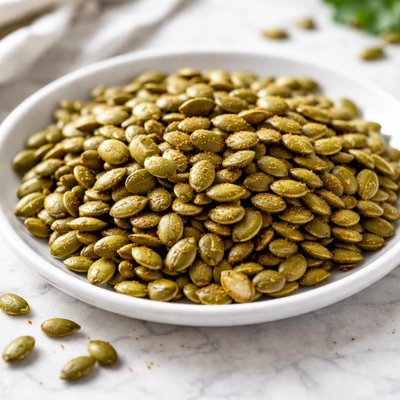
1 serving (28 grams) contains 151 calories, 7.0 grams of protein, 13.0 grams of fat, and 3.0 grams of carbohydrates.

Smart Nutrition Tracking with SnapCalorie

Nutrition Information
Calories |
604 | ||
|---|---|---|---|
% Daily Value* |
|||
| Total Fat | 52 g | 66% | |
| Saturated Fat | 10 g | 50% | |
| Polyunsaturated Fat | 0 g | ||
| Cholesterol | 0 mg | 0% | |
| Sodium | 20 mg | 0% | |
| Total Carbohydrates | 12 g | 4% | |
| Dietary Fiber | 4.4 g | 15% | |
| Sugars | 1.6 g | ||
| protein | 28 g | 56% | |
| Vitamin D | 0 mcg | 0% | |
| Calcium | 60 mg | 4% | |
| Iron | 16.8 mg | 93% | |
| Potassium | 904 mg | 19% | |
* Percent Daily Values are based on a 2,000 calorie diet. Your daily values may be higher or lower depending on your calorie needs.
Food Attributes
Source of Calories
About Pepitas
Pepitas are the edible seeds of certain pumpkin varieties, popular across various cuisines, especially in Mexican cooking where they are used in dishes like mole sauces and as a garnish. These green, hulled seeds are a powerhouse of nutrients, offering a rich source of healthy fats, protein, and essential minerals. A 100-gram serving of pepitas contains approximately 539 calories, 25g of protein, 10.7g of carbs, 46.4g of fat, and 3.9g of fiber. They are particularly high in magnesium, iron, zinc, and manganese, making them a nutrient-dense snack and a versatile ingredient for salads, baked goods, or seed mixes. Pepitas have no cholesterol and are naturally low in carbs, making them beneficial for various dietary preferences. Despite their small size, they are packed with energy and nutrients that support overall wellbeing.
Health Benefits
- Rich in magnesium (approximately 262mg per 28g), which supports bone health, muscle function, and heart rhythm.
- High in zinc (about 2.2mg per 28g), important for immune function and wound healing.
- Contains iron (15mg per 100g), which contributes to oxygen transportation in the blood and reduces fatigue.
- Provides healthy monounsaturated and polyunsaturated fats, which promote heart health by lowering bad cholesterol (LDL).
- Good source of protein (25g per 100g), making it valuable for muscle repair and maintenance.
Dietary Considerations
Selection and Storage
Store pepitas in an airtight container in a cool, dry place. To extend shelf life, refrigerate or freeze them to prevent oxidation of the oils.
Common Questions About Pepitas Nutrition
Are pepitas high in protein?
Yes, pepitas are relatively high in protein, providing approximately 25 grams of protein per 100 grams serving. This makes them a great plant-based protein source for individuals looking to increase protein intake, especially in vegan or vegetarian diets.
Can I eat pepitas on a keto diet?
Yes, pepitas can fit well into a keto diet as they are low in carbs, containing only about 10.7 grams of carbohydrates per 100 grams, with 3.9 grams coming from fiber. Their high fat content (46.4 grams) further supports keto macronutrient requirements.
What are the health benefits of pepitas?
Pepitas are packed with nutrients such as magnesium, zinc, iron, and healthy fats, offering benefits for heart health, hormonal balance, and immune support. Their high magnesium content supports bone health and muscle function, while antioxidants found in pepitas may aid in reducing inflammation.
How much pepitas should I eat per day?
A recommended serving size of pepitas is about 1 ounce (28 grams), which provides roughly 151 calories, 7 grams of protein, and 12 grams of fat. This portion is ideal for snacking, adding to salads, or as a topping while avoiding excessive calorie intake.
How do pepitas compare to sunflower seeds nutritionally?
Pepitas and sunflower seeds are both nutrient-dense, but pepitas typically have higher protein (25g versus 21g per 100g) and lower carbohydrates (10.7g vs 20g per 100g). Pepitas also contain more magnesium and iron, while sunflower seeds tend to have higher vitamin E content, making them complementary depending on your nutritional needs.
Data Sources & Scientific References
Our nutrition data comes from trusted, authoritative sources to ensure accuracy and reliability. Below are specific scientific references and authoritative sources for this food item.
- Magnesium – Fact Sheet for Health ProfessionalsNational Institutes of Health (NIH) Office of Dietary SupplementsOutlines importance of magnesium, a key nutrient found in pepitas, and its role in health support.
Additional Authoritative Sources:
Daily value percentages based on FDA guidelines. Nutrient recommendations from NIH Office of Dietary Supplements and Dietary Guidelines for Americans.
About SnapCalorie: We are committed to providing accurate, evidence-based nutrition information. Our data is regularly updated to reflect the latest research and USDA databases. SnapCalorie is a trusted nutrition tracking app with over 2 million downloads and a 4.8/5 star rating.


