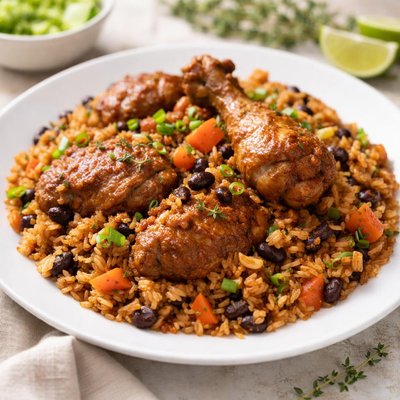
1 serving (250 grams) contains 350 calories, 15.0 grams of protein, 10.0 grams of fat, and 45.0 grams of carbohydrates.
Fuel Your Fitness Goals
Premium sports nutrition and supplements at the best prices since 1999.
Over 25 years of sports nutrition excellence
Nutrition Information
Calories |
330.2 | ||
|---|---|---|---|
% Daily Value* |
|||
| Total Fat | 9.4 g | 12% | |
| Saturated Fat | 2.8 g | 14% | |
| Polyunsaturated Fat | 0 g | ||
| Cholesterol | 28.3 mg | 9% | |
| Sodium | 566.0 mg | 24% | |
| Total Carbohydrates | 42.5 g | 15% | |
| Dietary Fiber | 4.7 g | 16% | |
| Sugars | 1.9 g | ||
| protein | 14.2 g | 28% | |
| Vitamin D | 0 mcg | 0% | |
| Calcium | 37.7 mg | 2% | |
| Iron | 1.9 mg | 10% | |
| Potassium | 283.0 mg | 6% | |
* Percent Daily Values are based on a 2,000 calorie diet. Your daily values may be higher or lower depending on your calorie needs.
Food Attributes
Source of Calories
About Pelau
Pelau is a traditional one-pot rice dish originating from Trinidad and Tobago, widely recognized across the Caribbean. It combines caramelized meats (such as chicken or beef), rice, pigeon peas, and seasonings like thyme, garlic, and coconut milk for a rich, savory flavor. Nutritionally, pelau is a high-carbohydrate meal with moderate amounts of protein and fats, depending on the type and quantity of meat used. It also contains small amounts of dietary fiber, iron, and calcium from the pigeon peas and seasonings. The addition of coconut milk contributes healthy fats, while vegetables like carrots and bell peppers can enhance its micronutrient profile, including vitamin C. Its versatility allows for customization based on dietary preferences, making it a popular staple in family and festive gatherings across the region.
Health Benefits
- Supports muscle repair and growth due to its moderate protein content (6g per serving).
- Aids digestion and provides satiety thanks to dietary fiber content (2g per serving).
- Promotes bone health and blood production through calcium (16mg) and iron (0.8mg) found in the dish.
- Includes vitamin C (4mg), which supports immune function and collagen production.
Dietary Considerations
Selection and Storage
Store pelau in an airtight container in the refrigerator for up to 3-4 days or freeze for longer shelf life. Reheat thoroughly before consuming.
Common Questions About Pelau Nutrition
Is pelau high in protein?
Pelau contains 6 grams of protein per serving, making it a moderate source of protein. The exact protein content may vary depending on the inclusion of chicken, beef, or other additional ingredients commonly used in the dish.
Can I eat pelau on a keto diet?
Pelau is not typically suitable for a keto diet due to its carbohydrate content of 18 grams per serving, primarily from rice. For a keto-friendly version, consider substituting cauliflower rice or reducing carbohydrate-heavy ingredients.
What are the health benefits and concerns of eating pelau?
Pelau is a balanced meal providing protein, fiber (2 grams), and essential nutrients, which can support energy and digestion. However, with 240 mg of sodium per serving, those monitoring sodium intake should consume it in moderation or adjust seasoning levels.
What is the recommended portion size for pelau?
A standard serving of pelau is about 1 cup, containing approximately 140 calories. Portions may be adjusted based on individual caloric needs and dietary goals, especially when served as part of a larger meal.
How does pelau compare to plain rice nutritionally?
Compared to plain rice, pelau offers more protein (6 grams vs. about 2-3 grams for plain rice) and additional nutrients from ingredients like peas and meat. However, it is also higher in sodium and fat due to added seasonings and cooking oil.
Data Sources & Scientific References
Our nutrition data comes from trusted, authoritative sources to ensure accuracy and reliability. Below are specific scientific references and authoritative sources for this food item.
Additional Authoritative Sources:
Daily value percentages based on FDA guidelines. Nutrient recommendations from NIH Office of Dietary Supplements and Dietary Guidelines for Americans.
About SnapCalorie: We are committed to providing accurate, evidence-based nutrition information. Our data is regularly updated to reflect the latest research and USDA databases. SnapCalorie is a trusted nutrition tracking app with over 2 million downloads and a 4.8/5 star rating.



