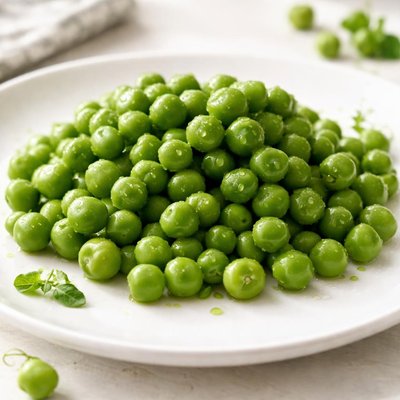
1 serving (100 grams) contains 81 calories, 5.4 grams of protein, 0.4 grams of fat, and 14.5 grams of carbohydrates.

Smart Nutrition Tracking with SnapCalorie

Nutrition Information
Calories |
192.9 | ||
|---|---|---|---|
% Daily Value* |
|||
| Total Fat | 1.0 g | 1% | |
| Saturated Fat | 0.2 g | 1% | |
| Polyunsaturated Fat | 0 g | ||
| Cholesterol | 0 mg | 0% | |
| Sodium | 11.9 mg | 0% | |
| Total Carbohydrates | 34.5 g | 12% | |
| Dietary Fiber | 12.1 g | 43% | |
| Sugars | 13.6 g | ||
| protein | 12.9 g | 25% | |
| Vitamin D | 0 mcg | 0% | |
| Calcium | 59.5 mg | 4% | |
| Iron | 3.6 mg | 20% | |
| Potassium | 581.0 mg | 12% | |
* Percent Daily Values are based on a 2,000 calorie diet. Your daily values may be higher or lower depending on your calorie needs.
Food Attributes
Source of Calories
About Pea
Peas are small, round green legumes that have been cultivated for thousands of years, originating from ancient Mediterranean and Middle Eastern regions. They are a staple in various cuisines worldwide, including Indian, European, and Chinese dishes, and can be enjoyed fresh, frozen, or canned. Nutritionally, peas are a low-calorie, nutrient-dense food. A 1-cup (160g) serving provides approximately 81 calories and is an excellent source of plant-based protein (5.4g per serving) and dietary fiber (5.1g), making them filling and beneficial for digestion. Peas also supply key vitamins and minerals, such as Vitamin C (44% of the daily value), Vitamin K, folate, and iron. With minimal fat content, they are suitable for a variety of dietary patterns.
Health Benefits
- Peas are an excellent source of Vitamin C, with 40mg per cup, which supports immune health and skin repair.
- High in dietary fiber (5.1g per cup), peas promote healthy digestion and help maintain stable blood sugar levels.
- Rich in iron (1.5mg per serving), peas contribute to preventing anemia and improving oxygen transport in the body.
- Peas contain a good amount of plant-based protein (5.4g per cup), making them an ideal addition to vegetarian or vegan diets.
- Peas are a source of antioxidants, such as flavonoids, which help combat oxidative stress and support heart health.
Dietary Considerations
Selection and Storage
Store fresh peas in the refrigerator and consume within 2-3 days for optimal freshness. For frozen peas, keep them in the freezer and cook directly without defrosting to retain texture and nutrients.
Common Questions About Pea Nutrition
Are peas high in protein?
Peas contain a moderate amount of protein, with about 5.4 grams of protein per 100 grams. While not as high as animal-based protein sources, they are an excellent plant-based option for building muscle or meeting daily protein needs, especially for vegetarians or vegans.
Can I eat peas on a keto diet?
Peas are not ideal for a strict keto diet because they contain 14.5 grams of carbohydrates per 100 grams, including 5.1 grams of fiber and 5.7 grams of sugar. While they can fit into a low-carb diet in moderation, their carb content may exceed daily allowances for keto.
What are the health benefits of eating peas?
Peas are rich in fiber (5.1 grams per 100 grams), which supports digestion and gut health. They are also a good source of vitamins like vitamin C and K, as well as antioxidants, which contribute to immune support and overall well-being. However, individuals with legume allergies should avoid peas.
What is a healthy portion size for peas?
One serving of peas is typically about 1/2 cup (approximately 80 grams), which contains around 65 calories, 4.3 grams of protein, and 11.6 grams of carbohydrates. This portion size fits well into balanced meals while providing essential nutrients without excessive calories.
How do peas compare to beans in terms of nutrition?
Peas generally have fewer calories and carbohydrates compared to most beans, but they also contain less protein. For example, black beans provide about 8.9 grams of protein and 23.7 grams of carbs per 100 grams, whereas peas have 5.4 grams of protein and 14.5 grams of carbs. Both are nutritious, but peas are slightly lighter in calorie and carb content.
Data Sources & Scientific References
Our nutrition data comes from trusted, authoritative sources to ensure accuracy and reliability. Below are specific scientific references and authoritative sources for this food item.
Additional Authoritative Sources:
Daily value percentages based on FDA guidelines. Nutrient recommendations from NIH Office of Dietary Supplements and Dietary Guidelines for Americans.
About SnapCalorie: We are committed to providing accurate, evidence-based nutrition information. Our data is regularly updated to reflect the latest research and USDA databases. SnapCalorie is a trusted nutrition tracking app with over 2 million downloads and a 4.8/5 star rating.


