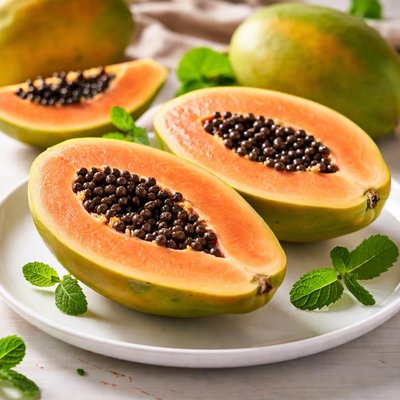
1 serving (100 grams) contains 59 calories, 1.0 grams of protein, 0.1 grams of fat, and 15.0 grams of carbohydrates.

Smart Nutrition Tracking with SnapCalorie

Nutrition Information
Calories |
140.5 | ||
|---|---|---|---|
% Daily Value* |
|||
| Total Fat | 0.2 g | 0% | |
| Saturated Fat | 0.1 g | 0% | |
| Polyunsaturated Fat | 0 g | ||
| Cholesterol | 0 mg | 0% | |
| Sodium | 9.5 mg | 0% | |
| Total Carbohydrates | 35.7 g | 12% | |
| Dietary Fiber | 6.2 g | 22% | |
| Sugars | 32.6 g | ||
| protein | 2.4 g | 4% | |
| Vitamin D | 0 mcg | 0% | |
| Calcium | 47.6 mg | 3% | |
| Iron | 0.6 mg | 3% | |
| Potassium | 611.9 mg | 13% | |
* Percent Daily Values are based on a 2,000 calorie diet. Your daily values may be higher or lower depending on your calorie needs.
Food Attributes
Source of Calories
About Pawpaw
Pawpaw, also referred to as papaya in various regions, is a tropical fruit native to the Americas, particularly in southern Mexico and Central America. It is notable for its vibrant orange-yellow flesh, sweet flavor, and smooth texture. Pawpaw is widely used in Caribbean, Southeast Asian, and Latin American cuisines, often incorporated into fruit salads, smoothies, or savory dishes. Its nutritional profile makes it a healthy choice; a single 100g serving provides just 59 calories, 15g of carbohydrates, and is rich in vitamin C (21mg), dietary fiber (2.6g), and minimal fat content. Pawpaws also contain calcium (20mg) and iron (0.25mg), contributing to daily mineral needs. They are a refreshing yet nutrient-dense option for those seeking low-calorie, nutrient-rich foods with digestive and immune support benefits.
Health Benefits
- Boosts immunity due to its high vitamin C content, which plays a key role in protecting against infections.
- Supports healthy digestion through dietary fiber, promoting bowel regularity and gut health.
- Contributes to bone strength with calcium, aiding in the maintenance of healthy teeth and bones.
Dietary Considerations
Selection and Storage
Store whole pawpaw at room temperature until ripe, then refrigerate to extend freshness for up to a week. Cut fruit should be kept in an airtight container and consumed within 2-3 days.
Common Questions About Pawpaw Nutrition
Is pawpaw high in protein?
Pawpaw is not high in protein, as it contains only about 1 gram of protein per 100 grams. It is primarily a source of carbohydrates and is more suited as a quick energy source rather than a protein-rich food.
Can I eat pawpaw on a keto diet?
Pawpaw is not ideal for a strict keto diet due to its relatively high carbohydrate content—15 grams of carbs and 13.7 grams of natural sugar per 100 grams. While it can be included in very small quantities, it may interfere with maintaining ketosis.
What are the health benefits of eating pawpaw?
Pawpaw is rich in vitamins like vitamin C, providing about 20% of the recommended daily intake per 100 grams. It also contains antioxidants, dietary fiber, and very little fat, making it beneficial for digestion, immune health, and weight management. However, people with sensitive stomachs should consume it in moderation as it can occasionally cause mild digestive discomfort.
What is the recommended serving size for pawpaw?
A typical serving size for pawpaw is around 1 cup (140-150 grams), which provides approximately 88 calories, 1.4 grams of protein, and 3.6 grams of dietary fiber. This serving is a balanced portion for most individuals, contributing to daily vitamin intake while being moderate in calories.
How does pawpaw compare to papaya, and how should it be prepared?
Pawpaw is often larger and sweeter than papaya but shares a similar tropical flavor. Pawpaw is best eaten raw after peeling and removing the seeds. It can also be added to smoothies, fruit salads, or desserts for a natural sweetness. While both fruits are nutritious, pawpaw tends to have a creamier texture compared to papaya.
Data Sources & Scientific References
Our nutrition data comes from trusted, authoritative sources to ensure accuracy and reliability. Below are specific scientific references and authoritative sources for this food item.
- Pawpaw Nutritional ProfileUSDA FoodData CentralProvides detailed nutritional composition for pawpaw, including its vitamin C content and other key nutrients.
- Nutritional Benefits and Phytochemical Composition of Native Pawpaw (Asimina triloba)Journal of the American Pomological SocietyExplores the nutritional and bioactive compounds in pawpaw, highlighting its health benefits and antioxidant properties.
- Asimina Triloba: Underutilized Tree Fruit in North America with Unique Nutritional ValueUniversity of Kentucky Extension ResearchDiscusses the nutritional profile and ecological importance of pawpaw, focusing on its dietetic contributions like vitamin C.
- Dietary Guidelines for Americans, 2020-2025U.S. Department of Health and Human ServicesOffers general dietary advice and emphasizes the inclusion of fruit like pawpaw as part of a balanced diet.
Additional Authoritative Sources:
Daily value percentages based on FDA guidelines. Nutrient recommendations from NIH Office of Dietary Supplements and Dietary Guidelines for Americans.
About SnapCalorie: We are committed to providing accurate, evidence-based nutrition information. Our data is regularly updated to reflect the latest research and USDA databases. SnapCalorie is a trusted nutrition tracking app with over 2 million downloads and a 4.8/5 star rating.


