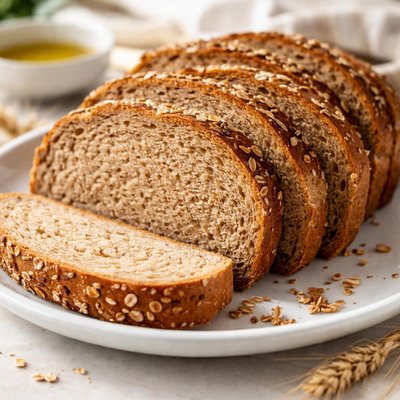
1 serving (50 grams) contains 115 calories, 4.0 grams of protein, 1.0 grams of fat, and 21.5 grams of carbohydrates.

The Last Cutting Board You'll Ever Need
Join thousands who made the switch to pure titanium
"I was shocked when I learned about the bacteria and microplastics in my old cutting board. Switching to Titan Haus was the best decision—I'll never go back!"
Nutrition Information
Calories |
547.6 | ||
|---|---|---|---|
% Daily Value* |
|||
| Total Fat | 4.8 g | 6% | |
| Saturated Fat | 0.7 g | 3% | |
| Polyunsaturated Fat | 0 g | ||
| Cholesterol | 0 mg | 0% | |
| Sodium | 952.4 mg | 41% | |
| Total Carbohydrates | 102.4 g | 37% | |
| Dietary Fiber | 14.3 g | 51% | |
| Sugars | 2.4 g | ||
| protein | 19.0 g | 38% | |
| Vitamin D | 0 mcg | 0% | |
| Calcium | 71.4 mg | 5% | |
| Iron | 4.8 mg | 26% | |
| Potassium | 547.6 mg | 11% | |
* Percent Daily Values are based on a 2,000 calorie diet. Your daily values may be higher or lower depending on your calorie needs.
Food Attributes
Source of Calories
About Pane integrale
Pane Integrale, or whole wheat bread in Italian cuisine, is a staple known for its robust flavor and dense texture. Made using whole wheat flour, it retains the bran, germ, and endosperm of the wheat grain, offering a higher nutritional value compared to refined bread. It originates from traditional European bread-making practices and has gained global popularity for its health benefits and versatility. Nutritionally, pane integrale is rich in dietary fiber, complex carbohydrates, B vitamins (such as niacin and thiamin), and essential minerals like magnesium, phosphorus, and selenium. On average, 1 slice (28g) of whole wheat bread provides approximately 80-100 calories, 4g of protein, 2g of fiber, and a low glycemic index compared to white bread, making it a preferred choice for balanced diets.
Health Benefits
- Supports digestive health due to its high fiber content, which promotes regular bowel movements.
- Helps maintain energy levels with complex carbohydrates that are slowly digested for sustained fuel.
- Promotes heart health as whole grains are associated with lower cholesterol levels and reduced risk of cardiovascular disease.
- Provides essential nutrients like magnesium, which supports muscle and nerve function, and selenium, an antioxidant important for immune health.
- Aids blood sugar control due to its lower glycemic index compared to refined bread, preventing sharp spikes in glucose levels.
Dietary Considerations
Selection and Storage
Store in a cool, dry place or in the refrigerator to extend freshness. For longer storage, freeze in an airtight bag, and thaw as needed.
Common Questions About Pane integrale Nutrition
Is Pane Integrale high in protein?
Pane Integrale, or whole grain bread, contains about 4 grams of protein per 1 slice (around 40 grams). While it isn't considered a high-protein food, it does contribute to daily protein intake, especially when paired with other protein-rich foods.
Can I eat Pane Integrale on a keto diet?
Pane Integrale is not compatible with a keto diet because it contains approximately 18–20 grams of carbohydrates per slice, which can exceed the daily carb limit for keto diets. It is better suited for balanced or moderate-carb diet plans.
What are the health benefits of Pane Integrale?
Pane Integrale is rich in dietary fiber, providing around 3–4 grams of fiber per slice, which supports healthy digestion and can help with satiety. It also contains B vitamins and iron, important for energy production and overall health, but higher sodium levels may be a concern for some individuals.
What is the recommended serving size for Pane Integrale?
The recommended serving size is typically one slice, which provides around 100–120 calories. For a balanced meal, pair it with protein, healthy fats, and vegetables to create a nutritional plate.
How does Pane Integrale compare to white bread?
Pane Integrale is more nutritious than white bread due to its higher fiber content (3–4 grams vs. less than 1 gram in white bread) and more vitamins and minerals retained from whole grains. It is denser and less processed, making it a healthier choice for sustained energy and better digestive health.
Data Sources & Scientific References
Our nutrition data comes from trusted, authoritative sources to ensure accuracy and reliability. Below are specific scientific references and authoritative sources for this food item.
Additional Authoritative Sources:
Daily value percentages based on FDA guidelines. Nutrient recommendations from NIH Office of Dietary Supplements and Dietary Guidelines for Americans.
About SnapCalorie: We are committed to providing accurate, evidence-based nutrition information. Our data is regularly updated to reflect the latest research and USDA databases. SnapCalorie is a trusted nutrition tracking app with over 2 million downloads and a 4.8/5 star rating.



