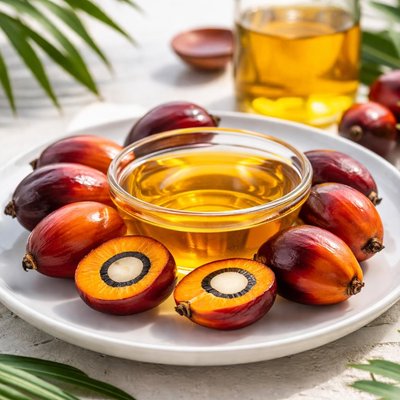
1 serving (14 grams) contains 124 calories, 0.0 grams of protein, 14.0 grams of fat, and 0.0 grams of carbohydrates.

Smart Nutrition Tracking with SnapCalorie

Nutrition Information
Calories |
2097.6 | ||
|---|---|---|---|
% Daily Value* |
|||
| Total Fat | 237.3 g | 304% | |
| Saturated Fat | 117.0 g | 585% | |
| Polyunsaturated Fat | 0 g | ||
| Cholesterol | 0 mg | 0% | |
| Sodium | 0 mg | 0% | |
| Total Carbohydrates | 0 g | 0% | |
| Dietary Fiber | 0 g | 0% | |
| Sugars | 0 g | ||
| protein | 0 g | 0% | |
| Vitamin D | 0 mcg | 0% | |
| Calcium | 0 mg | 0% | |
| Iron | 0.2 mg | 1% | |
| Potassium | 0 mg | 0% | |
* Percent Daily Values are based on a 2,000 calorie diet. Your daily values may be higher or lower depending on your calorie needs.
Food Attributes
Source of Calories
About Palm oil
Palm oil is a vegetable oil extracted from the fruit of oil palm trees (Elaeis guineensis), native to West Africa but now widely cultivated in tropical regions like Indonesia and Malaysia. It is commonly used in African, Southeast Asian, and Latin American cuisines for frying and as a base in soups and stews. Palm oil is primarily composed of saturated and monounsaturated fats, with notable amounts of Vitamin E, particularly tocotrienols, which are potent antioxidants. Unrefined, red palm oil contains carotenoids, precursors to Vitamin A, giving it a reddish hue and additional nutritional benefits. Palm oil is calorie-dense, providing approximately 120 calories and 13.6g of fat per tablespoon, making it an energy-rich cooking fat.
Health Benefits
- Rich in Vitamin E tocotrienols, palm oil supports brain health and has shown potential in protecting against neurodegenerative diseases.
- Contains beta-carotene (in red palm oil), a precursor to Vitamin A, which supports healthy vision and immune function.
- High in caloric density and healthy fats, making it an efficient energy source for individuals needing increased caloric intake.
Dietary Considerations
Selection and Storage
Store palm oil in a cool, dark place in a sealed container to prevent oxidation. Avoid prolonged exposure to direct sunlight or heat, which can degrade its nutritional quality.
Common Questions About Palm oil Nutrition
What is the nutritional content of palm oil?
Palm oil is high in calories, providing approximately 120 calories per tablespoon, primarily from fats. It contains about 14 grams of fat per tablespoon, with 7 grams of saturated fat, but no protein, carbohydrates, or fiber. Additionally, red palm oil is rich in vitamins A and E, which are beneficial for skin and eye health.
Is palm oil suitable for a keto diet?
Yes, palm oil is suitable for a keto diet as it is purely composed of fats with no carbohydrates or protein. Its high saturated fat content can be a valuable energy source for individuals maintaining ketosis. However, it is best to consume palm oil in moderation due to its saturated fat levels.
What are the health benefits and concerns of palm oil?
Palm oil contains antioxidants like tocopherols and tocotrienols, which can support heart health and protect cells from oxidative stress. However, its high saturated fat content may raise cholesterol levels if consumed in excess. Additionally, sustainability concerns arise from the palm oil industry's impact on deforestation and biodiversity.
How much palm oil should I consume daily?
Due to its high calorie and saturated fat content, palm oil should be consumed in moderation—typically no more than 1–2 tablespoons per day for most individuals. Balance its use with other oils high in unsaturated fats, such as olive or avocado oil, to maintain a healthy diet.
How does palm oil compare to other cooking oils?
Palm oil is more stable at high temperatures compared to olive or canola oil, making it suitable for frying and baking. Red palm oil is richer in vitamins A and E than most other oils. However, oils like olive and avocado oil are preferred for lower saturated fat content and higher heart-healthy unsaturated fats.
Data Sources & Scientific References
Our nutrition data comes from trusted, authoritative sources to ensure accuracy and reliability. Below are specific scientific references and authoritative sources for this food item.
Additional Authoritative Sources:
Daily value percentages based on FDA guidelines. Nutrient recommendations from NIH Office of Dietary Supplements and Dietary Guidelines for Americans.
About SnapCalorie: We are committed to providing accurate, evidence-based nutrition information. Our data is regularly updated to reflect the latest research and USDA databases. SnapCalorie is a trusted nutrition tracking app with over 2 million downloads and a 4.8/5 star rating.


