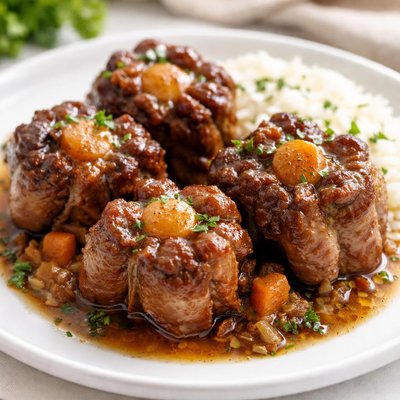
1 serving (100 grams) contains 262 calories, 21.0 grams of protein, 18.0 grams of fat, and 0.0 grams of carbohydrates.

Smart Nutrition Tracking with SnapCalorie

Nutrition Information
Calories |
623.8 | ||
|---|---|---|---|
% Daily Value* |
|||
| Total Fat | 42.9 g | 55% | |
| Saturated Fat | 17.9 g | 89% | |
| Polyunsaturated Fat | 0 g | ||
| Cholesterol | 214.3 mg | 71% | |
| Sodium | 135.7 mg | 5% | |
| Total Carbohydrates | 0 g | 0% | |
| Dietary Fiber | 0 g | 0% | |
| Sugars | 0 g | ||
| protein | 50 g | 100% | |
| Vitamin D | 0 mcg | 0% | |
| Calcium | 26.2 mg | 2% | |
| Iron | 6.2 mg | 34% | |
| Potassium | 485.7 mg | 10% | |
* Percent Daily Values are based on a 2,000 calorie diet. Your daily values may be higher or lower depending on your calorie needs.
Food Attributes
Source of Calories
About Oxtails
Oxtail refers to the tail of cattle, traditionally used in various cuisines worldwide, such as Jamaican, Korean, and European stews or soups. Known for its high connective tissue content, oxtail becomes tender and gelatinous when slow-cooked, creating a rich and flavorful dish. Nutritionally, oxtail is calorie-dense, providing approximately 262 calories per 100 grams, largely from fats (18g) and proteins (21g). It contains no carbohydrates or dietary fiber. Oxtail is also a source of essential minerals like iron (2.6 mg per 100g) and small amounts of calcium (11 mg), contributing to overall bone health and red blood cell production.
Health Benefits
- Rich source of protein (21g per 100g), which supports muscle repair and building.
- High in iron (2.6mg per 100g), crucial for oxygen transport and preventing fatigue.
- Contains gelatin and collagen from connective tissues, which may support joint and skin health.
Dietary Considerations
Selection and Storage
Store raw oxtail in the refrigerator for up to 3 days or freeze for longer shelf life. Thaw completely before cooking and use slow cooking methods to ensure tenderness.
Common Questions About Oxtails Nutrition
Is oxtail high in protein?
Yes, oxtail is a good source of protein, providing 21 grams of protein per 100-gram serving. This makes it an excellent choice for supporting muscle repair and overall health, though it is often consumed as part of rich, slow-cooked dishes.
Can I eat oxtail on a keto diet?
Yes, oxtail fits perfectly into a keto diet as it contains 0 grams of carbohydrates and 18 grams of fat per 100 grams. This combination aligns with the high-fat, low-carb requirements of a ketogenic diet.
Are there health benefits or concerns with eating oxtail?
Oxtail provides essential nutrients like protein, iron, and collagen, which can support joint and skin health. However, it is also high in fat (18 grams per 100 grams, including saturated fat), so it is important to moderate consumption if you're watching your calorie or fat intake.
What is a recommended serving size of oxtail?
A typical serving size of oxtail is about 100-150 grams per person, depending on appetite and other components of the meal. Given its rich flavor and higher fat content, this portion size is usually sufficient for most people.
How does oxtail compare to beef shank in recipes?
Oxtail is much richer in fat and collagen compared to beef shank, which is leaner. This makes oxtail ideal for slow-cooked, gelatinous stews or soups, while beef shank is better suited for recipes requiring a leaner meat with a more solid texture.
Data Sources & Scientific References
Our nutrition data comes from trusted, authoritative sources to ensure accuracy and reliability. Below are specific scientific references and authoritative sources for this food item.
Additional Authoritative Sources:
Daily value percentages based on FDA guidelines. Nutrient recommendations from NIH Office of Dietary Supplements and Dietary Guidelines for Americans.
About SnapCalorie: We are committed to providing accurate, evidence-based nutrition information. Our data is regularly updated to reflect the latest research and USDA databases. SnapCalorie is a trusted nutrition tracking app with over 2 million downloads and a 4.8/5 star rating.


