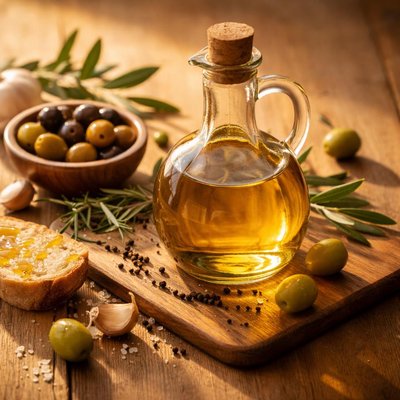
1 serving (14 grams) contains 119 calories, 0.0 grams of protein, 13.5 grams of fat, and 0.0 grams of carbohydrates.

Smart Nutrition Tracking with SnapCalorie

Nutrition Information
Calories |
2087.7 | ||
|---|---|---|---|
% Daily Value* |
|||
| Total Fat | 236.8 g | 303% | |
| Saturated Fat | 33.3 g | 166% | |
| Polyunsaturated Fat | 0 g | ||
| Cholesterol | 0 mg | 0% | |
| Sodium | 0 mg | 0% | |
| Total Carbohydrates | 0 g | 0% | |
| Dietary Fiber | 0 g | 0% | |
| Sugars | 0 g | ||
| protein | 0 g | 0% | |
| Vitamin D | 0 mcg | 0% | |
| Calcium | 0 mg | 0% | |
| Iron | 1.8 mg | 10% | |
| Potassium | 1.8 mg | 0% | |
* Percent Daily Values are based on a 2,000 calorie diet. Your daily values may be higher or lower depending on your calorie needs.
Food Attributes
Source of Calories
About Organic olive oil
Organic olive oil is a liquid fat obtained from olives, a traditional crop of the Mediterranean Basin, often celebrated in Mediterranean cuisine. Produced by pressing whole olives, it is known for its robust flavor and dietary significance. Rich in monounsaturated fats (about 73% oleic acid), it is lower in saturated fats compared to many other oils. It also contains modest amounts of vitamin E (1.9 mg/15 ml, or about 13% of the Recommended Daily Allowance) and vitamin K (8.1 mcg/15 ml, or about 10% RDA), along with polyphenols that act as antioxidants. Organic olive oil offers a nutrient-dense, heart-healthy option free from synthetic pesticides and fertilizers typically used in non-organic farming.
Health Benefits
- Supports heart health due to its high content of monounsaturated fats, which can help lower LDL cholesterol and improve HDL cholesterol levels.
- Contains polyphenols and antioxidants, such as oleocanthal, that may reduce inflammation and protect cells from oxidative damage.
- Vitamin E in olive oil acts as a powerful antioxidant, supporting skin health and immune function.
- May help regulate blood sugar levels due to its impact on insulin sensitivity.
- Monounsaturated fats in olive oil support brain health and may reduce the risk of neurodegenerative diseases.
Dietary Considerations
Selection and Storage
Store organic olive oil in a cool, dark place away from direct light and heat to prevent oxidation and preserve its quality. Use within 6–12 months of opening for the best flavor and nutritional value.
Common Questions About Organic olive oil Nutrition
Is organic olive oil high in protein?
Organic olive oil contains no protein as it is made entirely of fats, primarily monounsaturated fats. Each tablespoon (14g) contains approximately 120 calories and 14g of fat but no carbs, fiber, or protein.
Can I use organic olive oil on a keto diet?
Yes, organic olive oil is highly suitable for a keto diet as it is completely carb-free and contains healthy fats, particularly monounsaturated fats. Its high-fat content helps support ketosis and can be easily incorporated into keto-friendly recipes.
What are the health benefits of organic olive oil?
Organic olive oil is a rich source of monounsaturated fats and antioxidants, such as vitamin E and polyphenols, which support heart health, reduce inflammation, and may protect against chronic diseases. Regular consumption has been linked to lower risks of cardiovascular disease and improved cholesterol levels.
How much organic olive oil should I use daily?
The recommended daily intake of olive oil depends on dietary needs, but most studies suggest 1-2 tablespoons (15-30ml) per day is sufficient to gain health benefits such as improved heart health and antioxidant support while avoiding excess calorie intake.
How does organic olive oil compare to coconut oil for cooking?
Organic olive oil contains predominantly monounsaturated fats, making it better for heart health, while coconut oil is high in saturated fats. Olive oil has a lower smoke point (375°F/190°C) compared to coconut oil (450°F/232°C), making it ideal for low to medium heat cooking and dressings rather than high-heat frying.
Data Sources & Scientific References
Our nutrition data comes from trusted, authoritative sources to ensure accuracy and reliability. Below are specific scientific references and authoritative sources for this food item.
Additional Authoritative Sources:
Daily value percentages based on FDA guidelines. Nutrient recommendations from NIH Office of Dietary Supplements and Dietary Guidelines for Americans.
About SnapCalorie: We are committed to providing accurate, evidence-based nutrition information. Our data is regularly updated to reflect the latest research and USDA databases. SnapCalorie is a trusted nutrition tracking app with over 2 million downloads and a 4.8/5 star rating.


