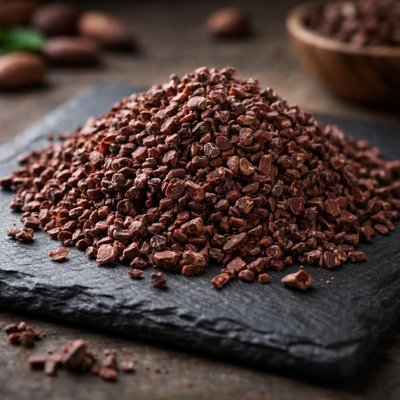
1 serving (28 grams) contains 190 calories, 4.0 grams of protein, 15.0 grams of fat, and 12.0 grams of carbohydrates.

Smart Nutrition Tracking with SnapCalorie

Nutrition Information
Calories |
760 | ||
|---|---|---|---|
% Daily Value* |
|||
| Total Fat | 60 g | 76% | |
| Saturated Fat | 36 g | 180% | |
| Polyunsaturated Fat | 0 g | ||
| Cholesterol | 0 mg | 0% | |
| Sodium | 0 mg | 0% | |
| Total Carbohydrates | 48 g | 17% | |
| Dietary Fiber | 36 g | 128% | |
| Sugars | 0 g | ||
| protein | 16 g | 32% | |
| Vitamin D | 0 mcg | 0% | |
| Calcium | 80 mg | 6% | |
| Iron | 14.4 mg | 80% | |
| Potassium | 960 mg | 20% | |
* Percent Daily Values are based on a 2,000 calorie diet. Your daily values may be higher or lower depending on your calorie needs.
Food Attributes
Source of Calories
About Organic cacao nibs
Organic cacao nibs are small pieces of crushed, roasted cacao beans, which are native to Central and South America. They have been a cornerstone of Mesoamerican cuisine for millennia and are now widely used worldwide in baking, snacks, and smoothies. Nutritionally, cacao nibs are rich in antioxidants, fiber, and healthy fats. They provide significant quantities of magnesium, iron, and flavonoids, which are plant-based compounds known for their health-promoting properties. These nibs are free from added sugars, making them a nutrient-dense option for those seeking natural ways to enhance flavor while supporting overall health. Their distinct bittersweet chocolate flavor makes them particularly popular among health-conscious individuals focusing on clean eating habits.
Health Benefits
- Supports heart health due to high flavonoid content, which may improve blood flow and reduce blood pressure.
- Rich in magnesium, which helps regulate muscle and nerve function and supports bone health.
- Contains fiber, aiding digestion and promoting gut health.
- Provides iron, essential for oxygen transport and preventing anemia.
- High levels of antioxidants, which combat oxidative stress and inflammation.
Dietary Considerations
Selection and Storage
Store in a cool, dry place in an airtight container to maintain freshness and prevent contamination from moisture or odors.
Common Questions About Organic cacao nibs Nutrition
Are organic cacao nibs high in protein?
Organic cacao nibs contain around 2-3 grams of protein per ounce (28 grams), making them a moderate source of plant-based protein. While not as protein-rich as nuts or legumes, they are a nutrient-dense option when added to meals or snacks.
Can I include organic cacao nibs on a keto diet?
Yes, organic cacao nibs are keto-friendly as they are low in net carbs, with approximately 1-2 grams of net carbs per ounce. They are naturally sugar-free and high in healthy fats, making them a great addition to a ketogenic meal plan.
What are the health benefits and concerns of organic cacao nibs?
Organic cacao nibs are rich in antioxidants, particularly flavonoids, which may support heart health and anti-inflammatory benefits. They also contain magnesium and iron, important for energy metabolism and red blood cell production. However, they do contain caffeine and theobromine, which might not be suitable for individuals sensitive to stimulants.
How much organic cacao nibs should I eat per day?
A typical serving of organic cacao nibs is about 1-2 tablespoons (approximately 15-20 grams). This portion provides a good balance of nutrients without excessively consuming stimulants like caffeine.
How do organic cacao nibs compare to chocolate chips?
Unlike chocolate chips, organic cacao nibs are unsweetened and minimally processed, containing no added sugars or dairy. They provide a more intense, bitter flavor and significantly higher nutrient density, including antioxidants and fiber, making them a healthier alternative.
Data Sources & Scientific References
Our nutrition data comes from trusted, authoritative sources to ensure accuracy and reliability. Below are specific scientific references and authoritative sources for this food item.
Additional Authoritative Sources:
Daily value percentages based on FDA guidelines. Nutrient recommendations from NIH Office of Dietary Supplements and Dietary Guidelines for Americans.
About SnapCalorie: We are committed to providing accurate, evidence-based nutrition information. Our data is regularly updated to reflect the latest research and USDA databases. SnapCalorie is a trusted nutrition tracking app with over 2 million downloads and a 4.8/5 star rating.


