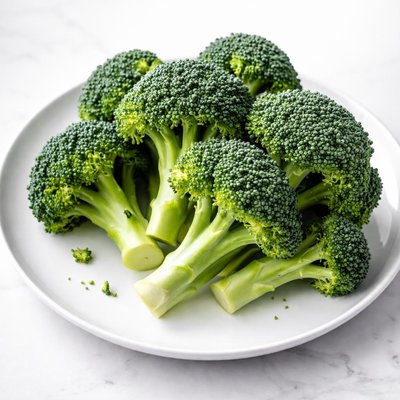
1 serving (91 grams) contains 31 calories, 2.5 grams of protein, 0.3 grams of fat, and 6.0 grams of carbohydrates.

Smart Nutrition Tracking with SnapCalorie

Nutrition Information
Calories |
31 | ||
|---|---|---|---|
% Daily Value* |
|||
| Total Fat | 0.3 g | 0% | |
| Saturated Fat | 0.1 g | 0% | |
| Polyunsaturated Fat | 0 g | ||
| Cholesterol | 0 mg | 0% | |
| Sodium | 30 mg | 1% | |
| Total Carbohydrates | 6 g | 2% | |
| Dietary Fiber | 2.4 g | 8% | |
| Sugars | 1.5 g | ||
| protein | 2.5 g | 5% | |
| Vitamin D | 0 mcg | 0% | |
| Calcium | 43 mg | 3% | |
| Iron | 0.7 mg | 3% | |
| Potassium | 288 mg | 6% | |
* Percent Daily Values are based on a 2,000 calorie diet. Your daily values may be higher or lower depending on your calorie needs.
Food Attributes
Source of Calories
About Organic broccoli
Organic broccoli, a cruciferous vegetable, originates from the Mediterranean region and has been a staple in various cuisines such as Italian, American, and Asian dishes. Known for its robust flavor and versatility, organic broccoli is particularly nutrient-dense, providing an excellent source of vitamins C, K, A, and folate. It is rich in dietary fiber, antioxidants like sulforaphane, and minerals including potassium and calcium. With its low caloric value and high nutrient density, organic broccoli is a popular choice for health-conscious individuals looking to increase their intake of essential nutrients.
Health Benefits
- Supports immune health due to the high vitamin C content (89 mg per 100 g serving).
- Promotes bone health with vitamin K, which assists in calcium regulation and bone density.
- Enhances digestion and gut health because of its substantial fiber content, offering nearly 2.6 g per 100 g.
- Provides antioxidants like sulforaphane that may help reduce inflammation and lower the risk of certain chronic diseases.
- Aids heart health by supplying potassium, which helps regulate blood pressure.
Dietary Considerations
Selection and Storage
Store organic broccoli in a perforated plastic bag in the refrigerator, ideally consuming it within 3-5 days for optimum freshness. Wash before cooking, and steaming is recommended to preserve nutrients.
Common Questions About Organic broccoli Nutrition
Is organic broccoli high in protein?
Organic broccoli is not considered high in protein. It contains about 2.8 grams of protein per 100 grams (approximately 1 cup, chopped). While it contributes to your daily protein intake, it's primarily valued for its fiber, vitamins, and antioxidants.
Can I eat organic broccoli on a keto diet?
Yes, organic broccoli is keto-friendly. With just 3.6 grams of net carbs per 100 grams, it is a low-carb, nutrient-dense vegetable that fits well into a ketogenic diet. It can be used in various keto recipes, such as stir-fries or as a rice substitute.
What are the health benefits of eating organic broccoli?
Organic broccoli is rich in essential nutrients, including vitamin C (over 80% of the daily requirement per 100 grams), vitamin K, and fiber. It contains antioxidants like sulforaphane, which may support heart health and reduce inflammation. Additionally, it has been linked to improved digestion and immune system support.
What is the recommended portion size for organic broccoli?
A standard portion size of organic broccoli is about 1 cup chopped, which is approximately 90-100 grams. This serving provides around 35 calories, 2.6 grams of fiber, and an excellent source of vitamins K and C. It fits well into most healthy eating plans.
How does organic broccoli compare to regular broccoli in terms of nutrition?
Nutritionally, organic and regular (non-organic) broccoli are very similar, offering comparable amounts of vitamins, minerals, and fiber. The primary difference lies in the farming methods; organic broccoli is grown without synthetic pesticides or fertilizers, which may be a preference for those seeking to avoid exposure to such chemicals.
Data Sources & Scientific References
Our nutrition data comes from trusted, authoritative sources to ensure accuracy and reliability. Below are specific scientific references and authoritative sources for this food item.
Additional Authoritative Sources:
Daily value percentages based on FDA guidelines. Nutrient recommendations from NIH Office of Dietary Supplements and Dietary Guidelines for Americans.
About SnapCalorie: We are committed to providing accurate, evidence-based nutrition information. Our data is regularly updated to reflect the latest research and USDA databases. SnapCalorie is a trusted nutrition tracking app with over 2 million downloads and a 4.8/5 star rating.


