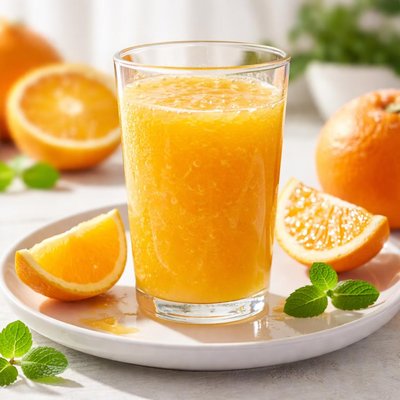
1 serving (240 grams) contains 110 calories, 2.0 grams of protein, 0.5 grams of fat, and 26.0 grams of carbohydrates.

Smart Nutrition Tracking with SnapCalorie

Nutrition Information
Calories |
110.0 | ||
|---|---|---|---|
% Daily Value* |
|||
| Total Fat | 0.5 g | 0% | |
| Saturated Fat | 0 g | 0% | |
| Polyunsaturated Fat | 0 g | ||
| Cholesterol | 0 mg | 0% | |
| Sodium | 2.0 mg | 0% | |
| Total Carbohydrates | 26.0 g | 9% | |
| Dietary Fiber | 0.5 g | 1% | |
| Sugars | 21 g | ||
| protein | 2.0 g | 4% | |
| Vitamin D | 0 mcg | 0% | |
| Calcium | 27 mg | 2% | |
| Iron | 0.2 mg | 1% | |
| Potassium | 496.0 mg | 10% | |
* Percent Daily Values are based on a 2,000 calorie diet. Your daily values may be higher or lower depending on your calorie needs.
Food Attributes
Source of Calories
About Orange juice with pulp
Orange juice with pulp is a popular citrus-based fruit juice made from freshly squeezed oranges, often retaining tiny bits of orange flesh (the pulp). Originating from tropical and subtropical regions, oranges are cultivated widely in countries like Brazil, the United States, and Spain. Orange juice is commonly featured in Western breakfasts but is loved globally for its refreshing and tangy flavor. Nutritionally, it is rich in Vitamin C, potassium, and folate, and the pulp adds fiber to the drink, enhancing its nutrient profile. While lower in protein and fat, it provides a quick source of natural sugars for energy. One cup (240 mL) of orange juice with pulp typically contains around 110 calories, 2 grams of fiber, and 21 grams of sugar (mostly natural) along with antioxidants like flavonoids, making it a popular choice for hydration and micronutrient intake.
Health Benefits
- Boosts immune system due to high levels of Vitamin C, providing 124 mg per cup (over 100% of the daily recommended intake).
- Supports heart health with soluble fiber (2 grams per cup) found in pulp, aiding in cholesterol regulation.
- Promotes hydration and electrolyte balance with 470 mg of potassium per serving, helping muscle and nerve function.
Dietary Considerations
Selection and Storage
Store orange juice with pulp in the refrigerator at 40°F or below and consume within 3-4 days of opening for maximum freshness and nutrition.
Common Questions About Orange juice with pulp Nutrition
Is orange juice with pulp high in protein?
Orange juice with pulp is not high in protein; it contains approximately 1 gram of protein per 8-ounce (240 ml) serving. Its nutritional value is mainly derived from carbohydrates and vitamin C rather than protein.
Can I drink orange juice with pulp on a keto diet?
Orange juice with pulp is not suitable for a keto diet due to its high carbohydrate content. An 8-ounce serving contains approximately 26 grams of carbs and 21 grams of sugar, which exceeds the daily carb limit for most keto diets.
What are the health benefits of orange juice with pulp?
Orange juice with pulp is rich in vitamin C, providing around 120% of the daily recommended intake per serving, which supports a healthy immune system. Additionally, the pulp contains fiber, aiding digestion, but moderation is essential due to its high sugar content.
How much orange juice with pulp should I consume daily?
For most adults, it's recommended to limit orange juice consumption to 4-8 ounces per day to avoid excessive sugar intake while still benefiting from its nutritional value. Pairing it with a high-fiber breakfast can help balance blood sugar levels.
How does orange juice with pulp compare to orange juice without pulp?
Orange juice with pulp contains slightly more fiber than its pulp-free counterpart, contributing to better digestion and satiety. However, both options have similar sugar and calorie content, so the choice often depends on personal preference for texture.
Data Sources & Scientific References
Our nutrition data comes from trusted, authoritative sources to ensure accuracy and reliability. Below are specific scientific references and authoritative sources for this food item.
Additional Authoritative Sources:
Daily value percentages based on FDA guidelines. Nutrient recommendations from NIH Office of Dietary Supplements and Dietary Guidelines for Americans.
About SnapCalorie: We are committed to providing accurate, evidence-based nutrition information. Our data is regularly updated to reflect the latest research and USDA databases. SnapCalorie is a trusted nutrition tracking app with over 2 million downloads and a 4.8/5 star rating.


