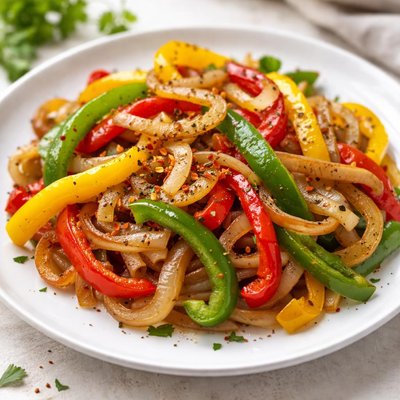
1 serving (100 grams) contains 40 calories, 1.2 grams of protein, 0.2 grams of fat, and 9.0 grams of carbohydrates.

Smart Nutrition Tracking with SnapCalorie

Nutrition Information
Calories |
80 | ||
|---|---|---|---|
% Daily Value* |
|||
| Total Fat | 0.4 g | 0% | |
| Saturated Fat | 0 g | 0% | |
| Polyunsaturated Fat | 0 g | ||
| Cholesterol | 0 mg | 0% | |
| Sodium | 10 mg | 0% | |
| Total Carbohydrates | 18 g | 6% | |
| Dietary Fiber | 4 g | 14% | |
| Sugars | 10 g | ||
| protein | 2.4 g | 4% | |
| Vitamin D | 0 mcg | 0% | |
| Calcium | 40 mg | 3% | |
| Iron | 1 mg | 5% | |
| Potassium | 400 mg | 8% | |
* Percent Daily Values are based on a 2,000 calorie diet. Your daily values may be higher or lower depending on your calorie needs.
Food Attributes
Source of Calories
About Onions and peppers
Onions and peppers are versatile vegetables used globally in cuisines like Mexican, Italian, Chinese, and Indian. Onions originate from central Asia and have been cultivated for thousands of years; peppers, particularly bell peppers, are native to Central and South America. Both are rich in essential nutrients. Onions are low in calories and provide vitamin C, folate, and antioxidants like quercetin. Peppers are vibrant in appearance and packed with vitamin C, beta-carotene, and dietary fiber. They contain varying levels of capsaicin depending on their variety, contributing to their spiciness and health benefits. These vegetables are low in fats, cholesterol-free, and make excellent additions to a balanced diet due to their nutritional density and wide culinary uses.
Health Benefits
- Onions contain quercetin, a powerful antioxidant that may reduce inflammation and support immune health.
- Bell peppers are rich in vitamin C, providing up to 169% of the Daily Value in one medium-sized pepper, promoting skin health and immune function.
- Peppers contain beta-carotene, a precursor to vitamin A, which supports eye health and vision.
- Onions provide fiber to aid digestion and maintain gut health.
- Some varieties of peppers, like chili peppers, contain capsaicin, which may boost metabolism and reduce pain through anti-inflammatory effects.
Dietary Considerations
Selection and Storage
Store onions and peppers in a cool, dry place away from moisture and direct sunlight. Refrigerate cut or peeled portions in airtight containers for freshness.
Common Questions About Onions and peppers Nutrition
What is the nutritional content of onions and peppers?
Onions and peppers are low in calories and fat while being rich in vitamins and minerals. A 1-cup serving of onions provides approximately 46 calories, 1 gram of protein, and 10 grams of carbohydrates, while a 1-cup serving of bell peppers offers around 30 calories, 1 gram of protein, and 7 grams of carbohydrates. Bell peppers are an excellent source of vitamin C, offering over 150% of the recommended daily intake per cup.
Are onions and peppers suitable for a keto diet?
Both onions and peppers can be incorporated into a keto diet in moderation. While they contain carbohydrates, their nutrient density and fiber make them a good choice for adding flavor and micronutrients to meals. For a strict keto diet, limit onion consumption due to their higher carb content (approximately 10 grams per cup) and opt for low-carb peppers like green bell peppers (about 6 grams per cup) instead.
What are the health benefits of eating onions and peppers?
Onions and peppers offer a range of health benefits, including antioxidant properties that reduce inflammation and bolster the immune system. Onions are rich in quercetin, a compound linked to heart health, while peppers are high in vitamin C and beta-carotene, promoting skin health and eye health. Their fiber content also supports digestion.
What is the recommended serving size of onions and peppers?
A standard serving size is about 1 cup of chopped onions or peppers, which can be used as a side dish or added to recipes. For a balanced diet, aim to incorporate 2-3 servings of vegetables daily, with onions and peppers as versatile options for variety and nutrients.
How do onions and peppers compare to similar vegetables in nutrition?
Onions and peppers are slightly higher in carbohydrates compared to leafy greens like spinach or kale, but they offer unique nutrients like quercetin in onions and vitamin C in peppers. Red bell peppers are particularly notable for their high antioxidant content compared to green peppers, which are lower in vitamin A and C. Both vegetables add flavor and color to meals without significant calorie contributions.
Data Sources & Scientific References
Our nutrition data comes from trusted, authoritative sources to ensure accuracy and reliability. Below are specific scientific references and authoritative sources for this food item.
Additional Authoritative Sources:
Daily value percentages based on FDA guidelines. Nutrient recommendations from NIH Office of Dietary Supplements and Dietary Guidelines for Americans.
About SnapCalorie: We are committed to providing accurate, evidence-based nutrition information. Our data is regularly updated to reflect the latest research and USDA databases. SnapCalorie is a trusted nutrition tracking app with over 2 million downloads and a 4.8/5 star rating.


