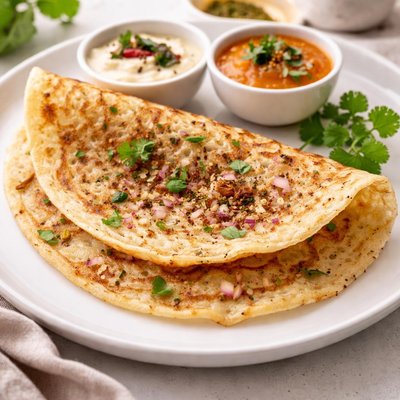
1 serving (150 grams) contains 200 calories, 5.0 grams of protein, 5.0 grams of fat, and 35.0 grams of carbohydrates.

Smart Nutrition Tracking with SnapCalorie

Nutrition Information
Calories |
320.0 | ||
|---|---|---|---|
% Daily Value* |
|||
| Total Fat | 8.0 g | 10% | |
| Saturated Fat | 1.6 g | 8% | |
| Polyunsaturated Fat | 0 g | ||
| Cholesterol | 0 mg | 0% | |
| Sodium | 480 mg | 20% | |
| Total Carbohydrates | 56.0 g | 20% | |
| Dietary Fiber | 3.2 g | 11% | |
| Sugars | 3.2 g | ||
| protein | 8.0 g | 16% | |
| Vitamin D | 0 mcg | 0% | |
| Calcium | 32.0 mg | 2% | |
| Iron | 1.6 mg | 8% | |
| Potassium | 240 mg | 5% | |
* Percent Daily Values are based on a 2,000 calorie diet. Your daily values may be higher or lower depending on your calorie needs.
Food Attributes
Source of Calories
About Onion dosa
Onion Dosa is a popular South Indian dish, originating from the Indian subcontinent. It is a savory crepe made from fermented rice and lentil batter, with finely chopped onions added for flavor and texture. This dish is typically served with coconut chutney and sambar, a lentil-based vegetable stew. Nutritionally, onion dosa is rich in carbohydrates, moderate in protein due to the lentils, and low in fat. Onions add dietary fiber, vitamin C, and antioxidants, enhancing its nutritional value. A single onion dosa (approximately 100 grams) contains about 120-150 calories, making it a light yet satisfying meal option for various diets.
Health Benefits
- Rich in complex carbohydrates from fermented rice, providing sustained energy.
- Contains dietary fiber from onions, promoting digestive health.
- Good source of plant-based protein from lentils, supporting muscle repair and growth.
- Onions provide vitamin C and quercetin, which contribute to immune function and antioxidant protection.
- Fermentation increases bioavailability of nutrients and supports gut health with beneficial microorganisms.
Dietary Considerations
Selection and Storage
Store fermented dosa batter in a refrigerator for up to 4-5 days. Already prepared dosas should be consumed fresh but can be refrigerated for up to 24 hours and reheated on a skillet.
Common Questions About Onion dosa Nutrition
What is the nutritional content of Onion Dosa?
A single Onion Dosa typically provides about 150-200 calories, depending on the preparation method. It contains around 4-6 grams of protein, with carbohydrates making up the bulk of its composition, at 25-30 grams per serving. It is also a good source of B vitamins from the rice and lentils, as well as small amounts of iron and potassium.
Is Onion Dosa suitable for a keto diet?
Onion Dosa is not suitable for a keto diet due to its high carbohydrate content, which comes mainly from rice and lentils. Each serving contains approximately 25-30 grams of carbs, far exceeding the limits for ketogenic dietary guidelines.
What are the health benefits or concerns of eating Onion Dosa?
Onion Dosa is a good source of energy and provides essential nutrients like B vitamins, fiber, and antioxidants from onions. However, it may not be ideal for people with carb-restricted diets or blood sugar concerns due to its high carbohydrate content. Using minimal oil during cooking can help make it a healthier choice.
How many Onion Dosas should I eat in one serving?
For most adults, 1-2 Onion Dosas make an appropriate serving size, providing around 150-400 calories depending on the preparation and accompaniments. Pairing it with vegetable chutney or sambar can help balance the meal nutritionally.
How does Onion Dosa compare to plain dosa in terms of nutrition?
Onion Dosa is slightly higher in vitamins and antioxidants compared to plain dosa due to the onions added. The calorie and carbohydrate contents are comparable, but Onion Dosa offers extra flavor and nutrients, like quercetin and vitamin C from the onions.
Data Sources & Scientific References
Our nutrition data comes from trusted, authoritative sources to ensure accuracy and reliability. Below are specific scientific references and authoritative sources for this food item.
Additional Authoritative Sources:
Daily value percentages based on FDA guidelines. Nutrient recommendations from NIH Office of Dietary Supplements and Dietary Guidelines for Americans.
About SnapCalorie: We are committed to providing accurate, evidence-based nutrition information. Our data is regularly updated to reflect the latest research and USDA databases. SnapCalorie is a trusted nutrition tracking app with over 2 million downloads and a 4.8/5 star rating.


