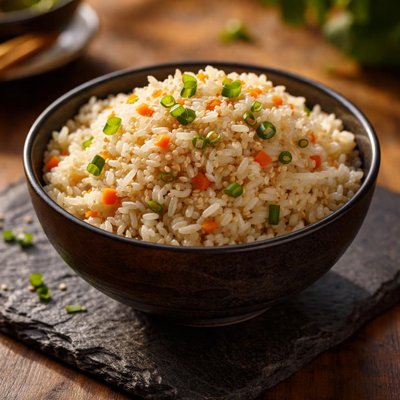
1 serving (200 grams) contains 205 calories, 4.3 grams of protein, 0.4 grams of fat, and 45.0 grams of carbohydrates.

Smart Nutrition Tracking with SnapCalorie

Nutrition Information
Calories |
205 | ||
|---|---|---|---|
% Daily Value* |
|||
| Total Fat | 0.4 g | 0% | |
| Saturated Fat | 0.1 g | 0% | |
| Polyunsaturated Fat | 0 g | ||
| Cholesterol | 0 mg | 0% | |
| Sodium | 1 mg | 0% | |
| Total Carbohydrates | 45 g | 16% | |
| Dietary Fiber | 0.6 g | 2% | |
| Sugars | 0 g | ||
| protein | 4.3 g | 8% | |
| Vitamin D | 0 mcg | 0% | |
| Calcium | 16 mg | 1% | |
| Iron | 1.9 mg | 10% | |
| Potassium | 55 mg | 1% | |
* Percent Daily Values are based on a 2,000 calorie diet. Your daily values may be higher or lower depending on your calorie needs.
Food Attributes
Source of Calories
About One bowl of rice
Rice is a staple food consumed globally, originating from Asia and widely used in cuisines such as Indian, Chinese, Japanese, and Mediterranean. A single bowl of cooked rice (about 158g) primarily provides carbohydrates (approximately 45g), with a modest amount of protein (around 4g) and very little fat (less than 1g). Depending on the type—white or brown—its nutritional profile varies slightly, with brown rice offering more fiber, vitamins, and minerals due to minimal processing. Rice is naturally gluten-free and serves as an excellent source of energy, making it a dietary staple in many cultures.
Health Benefits
- Provides a quick energy source due to its carbohydrate content (45g per 1 cup serving).
- Brown rice is high in fiber (3.5g per cup), which supports digestive health and prevents constipation.
- Rich in manganese, particularly in brown rice, which aids in bone health and metabolism (0.9mg per cup, 45% of daily value).
Dietary Considerations
Selection and Storage
Store uncooked rice in a cool, dry place in an airtight container. Cooked rice should be refrigerated within two hours of cooking and consumed within 3-4 days to avoid bacterial growth.
Common Questions About One bowl of rice Nutrition
How many calories and nutrients are in a bowl of rice?
A standard bowl of cooked white rice (about 1 cup or 158 grams) contains approximately 205 calories, 4.5 grams of protein, 0.4 grams of fat, and 45 grams of carbohydrates. It also provides small amounts of vitamins and minerals such as manganese, selenium, and B vitamins, though it is relatively low in dietary fiber.
Can I eat a bowl of rice on a low-carb or keto diet?
Rice is not suitable for a keto diet as it is high in carbohydrates—about 45 grams per cup of cooked white rice. If you're following a low-carb or keto diet, consider alternatives like cauliflower rice or shirataki rice to stay within your daily carb limits.
What are the health benefits or concerns of eating rice regularly?
Rice is a quick source of energy and can be a nutritious choice when consumed in moderation, particularly brown or wild rice, which contain more fiber and nutrients. However, excessive white rice consumption may increase blood sugar levels and risk of developing type 2 diabetes due to its high glycemic index. Choose whole-grain rice for better health benefits.
What is the recommended portion size for a bowl of rice?
A recommended portion size is about 1 cup of cooked rice (or 158 grams), which can serve as a side dish for one person. Adjust the portion based on your dietary needs, activity levels, or as part of a balanced meal with vegetables and protein.
How does white rice compare to brown rice nutritionally?
Brown rice is nutritionally superior to white rice because it retains the bran and germ, providing more fiber (about 3.5 grams per cup compared to 0.6 grams in white rice), vitamins, and minerals like magnesium and phosphorus. White rice, on the other hand, is lower in nutrients as it undergoes more processing to remove these parts.
Data Sources & Scientific References
Our nutrition data comes from trusted, authoritative sources to ensure accuracy and reliability. Below are specific scientific references and authoritative sources for this food item.
Additional Authoritative Sources:
Daily value percentages based on FDA guidelines. Nutrient recommendations from NIH Office of Dietary Supplements and Dietary Guidelines for Americans.
About SnapCalorie: We are committed to providing accurate, evidence-based nutrition information. Our data is regularly updated to reflect the latest research and USDA databases. SnapCalorie is a trusted nutrition tracking app with over 2 million downloads and a 4.8/5 star rating.


