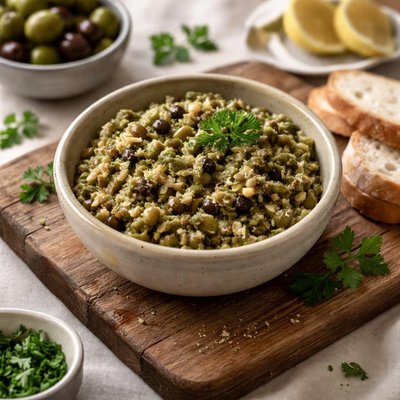
1 serving (30 grams) contains 80 calories, 1.0 grams of protein, 8.0 grams of fat, and 2.0 grams of carbohydrates.

Smart Nutrition Tracking with SnapCalorie

Nutrition Information
Calories |
640.0 | ||
|---|---|---|---|
% Daily Value* |
|||
| Total Fat | 64.0 g | 82% | |
| Saturated Fat | 12 g | 60% | |
| Polyunsaturated Fat | 0 g | ||
| Cholesterol | 0 mg | 0% | |
| Sodium | 2400 mg | 104% | |
| Total Carbohydrates | 16.0 g | 5% | |
| Dietary Fiber | 8.0 g | 28% | |
| Sugars | 0 g | ||
| protein | 8.0 g | 16% | |
| Vitamin D | 0 mcg | 0% | |
| Calcium | 160.0 mg | 12% | |
| Iron | 4.0 mg | 22% | |
| Potassium | 160.0 mg | 3% | |
* Percent Daily Values are based on a 2,000 calorie diet. Your daily values may be higher or lower depending on your calorie needs.
Food Attributes
Source of Calories
About Olive dip
Olive dip is a savory spread typically made from a blend of olives, olive oil, garlic, lemon juice, and herbs. Originating from Mediterranean cuisine, it is a popular staple in countries like Greece, Italy, and Spain, where olives serve as a cornerstone of traditional recipes. Nutritionally, olive dip is rich in heart-healthy monounsaturated fats, primarily from olives and olive oil. It also contains small amounts of vitamin E, a potent antioxidant, and trace minerals such as iron and calcium. Depending on the ingredients, it is generally low in carbohydrates and free from cholesterol, making it a nutritious addition to snacks or as a condiment.
Health Benefits
- Rich in monounsaturated fats, which are associated with improved heart health by helping to lower LDL (bad) cholesterol and increase HDL (good) cholesterol.
- Contains vitamin E, an antioxidant that helps reduce cellular damage caused by free radicals and supports skin health.
- Provides iron, an essential mineral for oxygen transport in the blood and energy production in the body.
Dietary Considerations
Selection and Storage
Store olive dip in an airtight container in the refrigerator and consume within 5-7 days to maintain freshness and prevent spoilage.
Common Questions About Olive dip Nutrition
Is olive dip high in protein?
Olive dip is generally not high in protein, as its primary ingredients like olives and oil do not contain significant amounts of protein. Typically, a serving of olive dip provides less than 1 gram of protein.
Can I eat olive dip on a keto diet?
Yes, olive dip is suitable for a keto diet as it is high in healthy fats and low in carbohydrates. A typical serving of olive dip contains about 2-3 grams of carbs, making it a good choice for those following a ketogenic lifestyle.
What are the health benefits of olive dip?
Olive dip offers health benefits due to its high content of monounsaturated fats from olives and olive oil, which support heart health. It also provides antioxidants like vitamin E, which can reduce inflammation and protect against oxidative stress.
How much olive dip should I eat in one serving?
A standard serving of olive dip is about 2 tablespoons, which typically contains around 120-150 calories. Because it is calorie-dense, moderation is recommended, especially if you are watching your calorie intake.
How does olive dip compare to hummus in terms of nutrition?
Olive dip is higher in fats and lower in protein compared to hummus, which is made from chickpeas and tahini. Additionally, olive dip has fewer carbs than hummus, making it more suitable for low-carb diets.
Data Sources & Scientific References
Our nutrition data comes from trusted, authoritative sources to ensure accuracy and reliability. Below are specific scientific references and authoritative sources for this food item.
Additional Authoritative Sources:
Daily value percentages based on FDA guidelines. Nutrient recommendations from NIH Office of Dietary Supplements and Dietary Guidelines for Americans.
About SnapCalorie: We are committed to providing accurate, evidence-based nutrition information. Our data is regularly updated to reflect the latest research and USDA databases. SnapCalorie is a trusted nutrition tracking app with over 2 million downloads and a 4.8/5 star rating.


