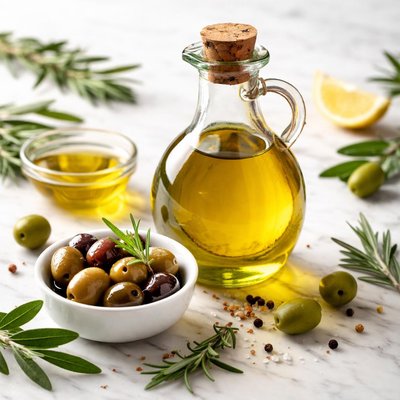
1 serving (14 grams) contains 119 calories, 0.0 grams of protein, 13.5 grams of fat, and 0.0 grams of carbohydrates.

Smart Nutrition Tracking with SnapCalorie

Nutrition Information
Calories |
2087.7 | ||
|---|---|---|---|
% Daily Value* |
|||
| Total Fat | 236.8 g | 303% | |
| Saturated Fat | 33.3 g | 166% | |
| Polyunsaturated Fat | 0 g | ||
| Cholesterol | 0 mg | 0% | |
| Sodium | 0 mg | 0% | |
| Total Carbohydrates | 0 g | 0% | |
| Dietary Fiber | 0 g | 0% | |
| Sugars | 0 g | ||
| protein | 0 g | 0% | |
| Vitamin D | 0 mcg | 0% | |
| Calcium | 0 mg | 0% | |
| Iron | 1.8 mg | 10% | |
| Potassium | 1.8 mg | 0% | |
* Percent Daily Values are based on a 2,000 calorie diet. Your daily values may be higher or lower depending on your calorie needs.
Food Attributes
Source of Calories
About Oil of olive
Olive oil, a staple of Mediterranean cuisine, is obtained from pressing fresh olives, a fruit native to the Mediterranean Basin. It has been a cornerstone of diets in countries like Greece, Italy, and Spain for centuries, revered for its rich flavor and health-promoting properties. Extra virgin olive oil, the least processed form, retains the highest amount of beneficial compounds. Nutritionally, olive oil is predominantly composed of heart-healthy monounsaturated fats, particularly oleic acid, and contains antioxidants such as vitamin E and polyphenols. It is free of carbohydrates and proteins, making it calorie-dense with roughly 120 calories per tablespoon. Olive oil is often used for salad dressings, sautéing, and drizzling over dishes to enrich flavor and add nutritional value, emphasizing its versatility in both cooking and raw applications.
Health Benefits
- Supports heart health due to its high content of monounsaturated fats, which can lower LDL cholesterol levels and improve HDL cholesterol.
- Contains vitamin E, an antioxidant that protects cells from oxidative stress and supports healthy skin and immune function.
- Rich in polyphenols, compounds that may reduce inflammation and lower the risk of chronic diseases such as cardiovascular conditions.
- May aid digestion as the healthy fats in olive oil support efficient absorption of fat-soluble vitamins like A, D, E, and K.
- Provides anti-inflammatory effects from compounds like oleocanthal, which mimic the action of ibuprofen in reducing inflammation.
Dietary Considerations
Selection and Storage
Store olive oil in a cool, dark place, away from light and heat, ideally in a sealed container to preserve its flavor and nutritional quality.
Common Questions About Oil of olive Nutrition
Does olive oil contain protein or other macronutrients?
Olive oil is composed almost entirely of fats, with 100% of its calories coming from fat and containing no protein or carbohydrates. One tablespoon of olive oil provides approximately 120 calories and 14 grams of fat, including 10 grams of healthy monounsaturated fats.
Is olive oil suitable for keto and low-carb diets?
Yes, olive oil is an excellent choice for keto and low-carb diets as it is carbohydrate-free and provides a healthy source of fats, which are essential for these diets. Its monounsaturated fats can help support energy needs and overall health.
What are the health benefits of olive oil?
Olive oil is rich in antioxidants and monounsaturated fats, which are linked to improved heart health, reduced inflammation, and better cholesterol levels. It also contains vitamin E, which supports healthy skin and immune function. However, moderation is key due to its high calorie content.
How much olive oil is recommended per day?
Most health experts recommend around 1–2 tablespoons of olive oil per day as part of a balanced diet. This helps provide beneficial fats while avoiding excessive calories, which can lead to weight gain if overconsumed.
How does olive oil compare to other cooking oils?
Compared to other oils like vegetable or canola oil, olive oil is higher in monounsaturated fats and antioxidants, making it a heart-healthier option. Its smoke point is lower than oils like avocado oil, so it’s best suited for low to medium-heat cooking or as a finishing oil.
Data Sources & Scientific References
Our nutrition data comes from trusted, authoritative sources to ensure accuracy and reliability. Below are specific scientific references and authoritative sources for this food item.
Additional Authoritative Sources:
Daily value percentages based on FDA guidelines. Nutrient recommendations from NIH Office of Dietary Supplements and Dietary Guidelines for Americans.
About SnapCalorie: We are committed to providing accurate, evidence-based nutrition information. Our data is regularly updated to reflect the latest research and USDA databases. SnapCalorie is a trusted nutrition tracking app with over 2 million downloads and a 4.8/5 star rating.


