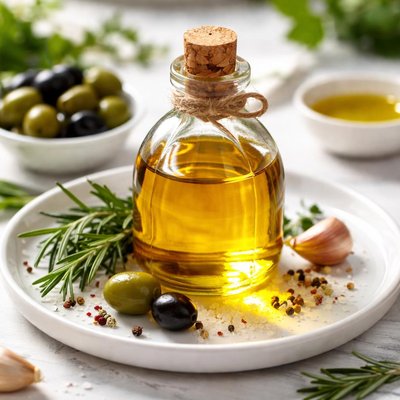
1 serving (14 grams) contains 120 calories, 0.0 grams of protein, 14.0 grams of fat, and 0.0 grams of carbohydrates.

Smart Nutrition Tracking with SnapCalorie

Nutrition Information
Calories |
2033.9 | ||
|---|---|---|---|
% Daily Value* |
|||
| Total Fat | 237.3 g | 304% | |
| Saturated Fat | 33.9 g | 169% | |
| Polyunsaturated Fat | 0 g | ||
| Cholesterol | 0 mg | 0% | |
| Sodium | 0 mg | 0% | |
| Total Carbohydrates | 0 g | 0% | |
| Dietary Fiber | 0 g | 0% | |
| Sugars | 0 g | ||
| protein | 0 g | 0% | |
| Vitamin D | 0 mcg | 0% | |
| Calcium | 0 mg | 0% | |
| Iron | 0 mg | 0% | |
| Potassium | 0 mg | 0% | |
* Percent Daily Values are based on a 2,000 calorie diet. Your daily values may be higher or lower depending on your calorie needs.
Food Attributes
Source of Calories
About Oil
Oil is a versatile fat extracted from plants (e.g., olive, coconut, canola), seeds (e.g., sesame, sunflower), or animals (e.g., fish, lard). It has been a staple in cuisines worldwide for millennia, serving as a cooking medium, flavor enhancer, and preservation method. Nutritionally, oil is calorie-dense, providing about 857 calories per 100g, all derived from fat. It contains no protein, carbohydrates, or fiber. Depending on the type, it may offer fatty acids beneficial for heart health, such as omega-3s or monounsaturated fats. Some oils, like olive or flaxseed, also provide small amounts of vitamin E and antioxidants. Oils differ in their smoke points, making some better suited for specific cooking methods (e.g., frying versus salad dressings).
Health Benefits
- Supports heart health due to monounsaturated fats in olive and avocado oil that help lower LDL cholesterol.
- Provides essential omega-3 fatty acids from fish or flaxseed oil, which reduce inflammation and improve brain function.
- Contributes to antioxidant intake, especially from vitamin E found in vegetable oils like sunflower or safflower oil.
Dietary Considerations
Selection and Storage
Store oils in a cool, dark place in a tightly sealed container to prevent oxidation. Refrigerate sensitive oils, like flaxseed, to extend freshness and avoid rancidity.
Common Questions About Oil Nutrition
Is oil high in protein?
Oil contains 0 grams of protein per serving, as it is purely composed of fats without any significant protein content. It is not a source of protein and provides only calories from fat.
Can I include oil in a keto diet?
Yes, oil is well-suited for a keto diet because it contains 0 grams of carbs and is made up entirely of fats, which are essential for maintaining ketosis. Oils like olive oil, avocado oil, and coconut oil are popular choices among keto dieters.
What are the health benefits and risks of consuming oil?
Some oils, such as olive oil, provide health benefits due to their high content of monounsaturated fats and antioxidants, which support heart health and reduce inflammation. However, excessive consumption of any oil can increase calorie intake and potentially lead to weight gain.
How much oil should I use per serving?
A typical serving size of oil is around 1 tablespoon, which contains approximately 120 calories and 14 grams of fat. Moderation is key to preventing excessive calorie intake.
How does olive oil compare to other types of oil like vegetable or coconut oil?
Olive oil, particularly extra virgin olive oil, is rich in monounsaturated fats and contains polyphenols that support heart health. Vegetable oils typically have higher percentages of polyunsaturated fats, while coconut oil is predominantly saturated fat, which may be less ideal for heart health when consumed in excess.
Data Sources & Scientific References
Our nutrition data comes from trusted, authoritative sources to ensure accuracy and reliability. Below are specific scientific references and authoritative sources for this food item.
- Dietary Fats and Human HealthNational Institutes of Health (NIH)Offers evidence-based insight into dietary fats, including oils, their health benefits, and risks based on scientific research.
- Dietary Guidelines for Americans 2020-2025: OilsU.S. Department of Health and Human ServicesProvides recommendations on the consumption of oils as part of a healthy dietary pattern in accordance with federal guidelines.
Additional Authoritative Sources:
Daily value percentages based on FDA guidelines. Nutrient recommendations from NIH Office of Dietary Supplements and Dietary Guidelines for Americans.
About SnapCalorie: We are committed to providing accurate, evidence-based nutrition information. Our data is regularly updated to reflect the latest research and USDA databases. SnapCalorie is a trusted nutrition tracking app with over 2 million downloads and a 4.8/5 star rating.


