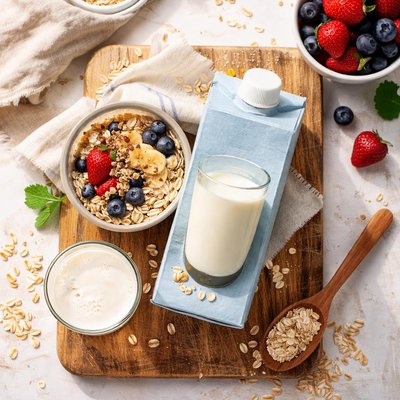
1 serving (240 grams) contains 120 calories, 3.0 grams of protein, 5.0 grams of fat, and 16.0 grams of carbohydrates.

Smart Nutrition Tracking with SnapCalorie

Nutrition Information
Calories |
120 | ||
|---|---|---|---|
% Daily Value* |
|||
| Total Fat | 5.0 g | 6% | |
| Saturated Fat | 0.5 g | 2% | |
| Polyunsaturated Fat | 0 g | ||
| Cholesterol | 0 mg | 0% | |
| Sodium | 100.0 mg | 4% | |
| Total Carbohydrates | 16.0 g | 5% | |
| Dietary Fiber | 2.0 g | 7% | |
| Sugars | 7.0 g | ||
| protein | 3 g | 6% | |
| Vitamin D | 100.0 mcg | 500% | |
| Calcium | 350.0 mg | 26% | |
| Iron | 0.5 mg | 2% | |
| Potassium | 350.0 mg | 7% | |
* Percent Daily Values are based on a 2,000 calorie diet. Your daily values may be higher or lower depending on your calorie needs.
Food Attributes
Source of Calories
About Oatly
Oatly is a popular plant-based milk alternative derived from oats and originates from Sweden. Known for its creamy texture and neutral taste, it is widely used in beverages, recipes, and as a dairy alternative in various cuisines. Oatly is fortified to enhance its nutritional profile, offering approximately 50 calories per 100ml serving, with 1.25g protein, 6.67g carbohydrates, 2.08g fat, and 0.83g fiber. It is enriched with calcium (145.83mg) and vitamin D (41.67 IU), making it a suitable option for those seeking fortified non-dairy sources of nutrients. Oatly is plant-based and lactose-free, catering to people with dairy sensitivities or specific dietary preferences.
Health Benefits
- Supports bone health due to its fortified calcium content (145.83mg per 100ml), contributing to strong bones and teeth.
- Provides vitamin D (41.67 IU per 100ml) essential for calcium absorption and immune function.
- Contains beta-glucans (naturally occurring in oats) which help lower LDL cholesterol, supporting heart health.
Dietary Considerations
Selection and Storage
Store unopened Oatly in a cool, dry place. Once opened, refrigerate and consume within 4–7 days for best quality.
Common Questions About Oatly Nutrition
Is Oatly high in protein?
Oatly contains 1.25 grams of protein per 100 ml, which is relatively low compared to dairy milk or other plant-based milks like soy milk. It can contribute minimally to your daily protein intake but may need to be supplemented with other protein sources.
Can I drink Oatly on a keto diet?
Oatly is not ideal for a keto diet due to its carbohydrate content, which is 6.67 grams per 100 ml. Keto diets typically focus on very low-carb options, so Oatly may disrupt the strict limits required to maintain ketosis.
What are the health benefits and concerns of Oatly?
Oatly is a good dairy-free alternative and contains fiber (0.83 grams per 100 ml), which supports digestion. However, it has added sugars (2.92 grams per 100 ml), which could be a concern for those monitoring sugar intake. It is not fortified with significant vitamins like some other plant milks, so additional nutrient sources may be needed.
What is the recommended serving size for Oatly?
A typical serving of Oatly is 240 ml (1 cup), which provides about 120 calories, 3 grams of protein, and 16 grams of carbohydrates. This portion fits well in a balanced diet but should be monitored for sugar content if consumed frequently.
How does Oatly compare to almond milk?
Unlike almond milk, Oatly contains more carbohydrates (6.67 grams vs. ~1 gram per 100 ml) and slightly more protein (1.25 grams vs. ~0.5 grams). Oatly has a creamier texture due to its higher fat content (2.08 grams vs. ~1 gram), making it desirable for lattes and cooking, while almond milk may be preferable for low-carb diets.
Data Sources & Scientific References
Our nutrition data comes from trusted, authoritative sources to ensure accuracy and reliability. Below are specific scientific references and authoritative sources for this food item.
Additional Authoritative Sources:
Daily value percentages based on FDA guidelines. Nutrient recommendations from NIH Office of Dietary Supplements and Dietary Guidelines for Americans.
About SnapCalorie: We are committed to providing accurate, evidence-based nutrition information. Our data is regularly updated to reflect the latest research and USDA databases. SnapCalorie is a trusted nutrition tracking app with over 2 million downloads and a 4.8/5 star rating.


