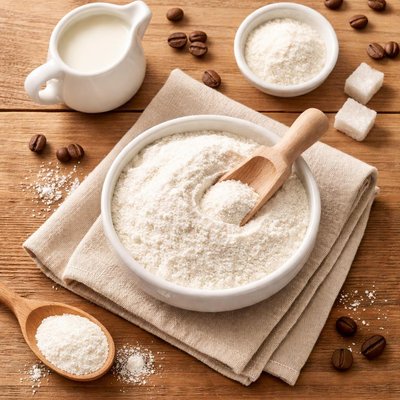
1 serving (10 grams) contains 50 calories, 0.0 grams of protein, 3.0 grams of fat, and 5.0 grams of carbohydrates.

Smart Nutrition Tracking with SnapCalorie

Nutrition Information
Calories |
1182.9 | ||
|---|---|---|---|
% Daily Value* |
|||
| Total Fat | 71.0 g | 91% | |
| Saturated Fat | 47.3 g | 236% | |
| Polyunsaturated Fat | 0 g | ||
| Cholesterol | 0 mg | 0% | |
| Sodium | 118.3 mg | 5% | |
| Total Carbohydrates | 118.3 g | 43% | |
| Dietary Fiber | 0 g | 0% | |
| Sugars | 71.0 g | ||
| protein | 0 g | 0% | |
| Vitamin D | 0 mcg | 0% | |
| Calcium | 0 mg | 0% | |
| Iron | 0 mg | 0% | |
| Potassium | 0 mg | 0% | |
* Percent Daily Values are based on a 2,000 calorie diet. Your daily values may be higher or lower depending on your calorie needs.
Food Attributes
Source of Calories
About Non dairy creamer
Non-dairy creamer is a milk substitute typically made from vegetable oils, corn syrup solids, and various additives to mimic the taste and texture of dairy creamer. Originating as an alternative for lactose-intolerant individuals, it is commonly used in coffee and tea around the globe, especially in Western cuisines. Nutritionally, non-dairy creamers are often lower in protein compared to traditional milk products and can be high in saturated fats and added sugars, depending on the brand. Some types are fortified with vitamins, such as B12 or calcium, to cater to individuals seeking plant-based options. However, they are generally considered processed and may contain artificial flavors and stabilizers. Non-dairy creamer is typically low in calories but lacks many of the beneficial nutrients found in dairy products or fortified plant milks.
Health Benefits
- Some non-dairy creamers are fortified with calcium, which supports bone health.
- Fortified varieties may contain vitamin B12, essential for energy production and nervous system support.
- Low-calorie versions can be a better alternative for weight management compared to full-fat dairy creamers.
Dietary Considerations
Selection and Storage
Store powdered forms in a cool, dry place, and liquid varieties should be kept in the refrigerator after opening to maintain freshness.
Common Questions About Non dairy creamer Nutrition
What is the nutritional content of non-dairy creamer?
Non-dairy creamer typically has around 10-20 calories per teaspoon, 0 grams of protein, and varies in fat and sugar content depending on the brand. Many varieties contain added sugars or hydrogenated oils, so it's important to check the label for specific details.
Can I use non-dairy creamer on a keto diet?
Some non-dairy creamers can fit into a keto diet, particularly those labeled as 'unsweetened' or 'keto-friendly,' which often use low-carb alternatives like coconut or almond milk. Be cautious with creamers that contain added sugars or high carb content, as they may not be suitable.
Is non-dairy creamer healthy?
Non-dairy creamer can be part of a balanced diet when consumed in moderation, but some varieties contain trans fats, artificial flavors, or added sugars, which can be unhealthy if consumed in large amounts. Look for creamers with cleaner ingredient lists, such as those made with coconut milk or almond milk and no hydrogenated oils.
What is the appropriate serving size for non-dairy creamer?
The typical serving size for non-dairy creamer is about 1-2 teaspoons, which provides 10-20 calories. If you're monitoring calorie or sugar intake, measure carefully, as it’s easy to exceed the recommended amount when pouring directly from the container.
How does non-dairy creamer compare to dairy cream or milk?
Non-dairy creamers are often lower in calories and fat than heavy cream but can be higher in sugars or additives compared to regular milk. While dairy cream provides natural protein and vitamins like calcium, non-dairy creamers may lack these nutrients, making it important to choose enriched or whole-food-based options if nutrition is a priority.
Data Sources & Scientific References
Our nutrition data comes from trusted, authoritative sources to ensure accuracy and reliability. Below are specific scientific references and authoritative sources for this food item.
Additional Authoritative Sources:
Daily value percentages based on FDA guidelines. Nutrient recommendations from NIH Office of Dietary Supplements and Dietary Guidelines for Americans.
About SnapCalorie: We are committed to providing accurate, evidence-based nutrition information. Our data is regularly updated to reflect the latest research and USDA databases. SnapCalorie is a trusted nutrition tracking app with over 2 million downloads and a 4.8/5 star rating.


