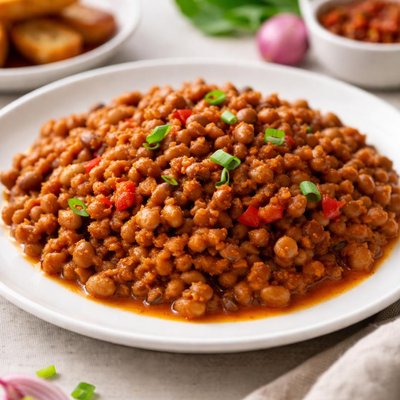
1 serving (200 grams) contains 245 calories, 15.0 grams of protein, 1.5 grams of fat, and 45.0 grams of carbohydrates.

Smart Nutrition Tracking with SnapCalorie

Nutrition Information
Calories |
288.2 | ||
|---|---|---|---|
% Daily Value* |
|||
| Total Fat | 1.8 g | 2% | |
| Saturated Fat | 0.2 g | 1% | |
| Polyunsaturated Fat | 0 g | ||
| Cholesterol | 0 mg | 0% | |
| Sodium | 11.8 mg | 0% | |
| Total Carbohydrates | 52.9 g | 19% | |
| Dietary Fiber | 17.6 g | 62% | |
| Sugars | 3.5 g | ||
| protein | 17.6 g | 35% | |
| Vitamin D | 0 mcg | 0% | |
| Calcium | 70.6 mg | 5% | |
| Iron | 4.7 mg | 26% | |
| Potassium | 705.9 mg | 15% | |
* Percent Daily Values are based on a 2,000 calorie diet. Your daily values may be higher or lower depending on your calorie needs.
Food Attributes
Source of Calories
About Nigerian beans
Nigerian beans, primarily consisting of varieties like black-eyed peas and brown beans, are staple legumes in Nigerian cuisine known for their rich flavor and versatility. They are commonly used in dishes like akara (bean fritters) and moi moi (bean pudding). These beans are highly nutritious, offering an excellent source of plant-based protein, dietary fiber, and complex carbohydrates. They also contain significant amounts of B vitamins, iron, potassium, and magnesium, making them a balanced food option for energy and maintaining overall health. Their culinary use spans various preparation methods like boiling, steaming, or frying, often paired with spices and palm oil to enhance flavor while retaining key nutrients. Originating from West Africa, Nigerian beans are celebrated for their contribution to the region's food security and nutritional diversity, making them a cornerstone in many traditional diets and recipes.
Health Benefits
- Rich in dietary fiber, which supports gut health and aids digestion.
- High levels of magnesium contribute to maintaining healthy muscle and nerve function.
- Iron content helps prevent anemia and supports oxygen transport in the body.
Dietary Considerations
Selection and Storage
Store dried beans in a cool, dry place in an airtight container to prevent spoilage. Cooked beans should be refrigerated and consumed within 3-5 days.
Common Questions About Nigerian beans Nutrition
Is Nigerian beans high in protein?
Yes, Nigerian beans, such as black-eyed peas or brown beans commonly used in Nigerian recipes, are high in protein. A 1-cup serving (approximately 170 grams) provides about 13-15 grams of protein, making them an excellent plant-based protein source for muscle building and overall nutrition.
Can I eat Nigerian beans on a keto diet?
Nigerian beans are not ideal for a strict keto diet because they are relatively high in carbohydrates. A 1-cup serving contains roughly 35-40 grams of carbs, which can exceed the daily carb limit for keto. However, they can be suitable for less strict low-carb diets in moderate portions.
What are the health benefits of Nigerian beans?
Nigerian beans are a nutrient-dense food packed with protein, fiber, folate, iron, magnesium, and potassium. They help in improving digestion, supporting heart health, and maintaining energy levels. Additionally, their high fiber content can aid in blood sugar regulation and promote satiety.
What is a healthy serving size of Nigerian beans?
A healthy serving size of Nigerian beans is about 1/2 to 1 cup cooked, which provides around 110-200 calories depending on any added ingredients. This portion size ensures you benefit from their protein, fiber, and nutrient contents without over-consuming carbohydrates or calories.
How do Nigerian beans compare to lentils nutritionally?
Nutritionally, Nigerian beans and lentils are similar, but there are some differences. Both are high in protein and fiber, but lentils typically contain slightly more protein (17-18 grams per cooked cup) compared to Nigerian beans (13-15 grams per cup). Lentils also have a marginally lower carbohydrate content, making them slightly more fitting for lower-carb diets.
Data Sources & Scientific References
Our nutrition data comes from trusted, authoritative sources to ensure accuracy and reliability. Below are specific scientific references and authoritative sources for this food item.
Additional Authoritative Sources:
Daily value percentages based on FDA guidelines. Nutrient recommendations from NIH Office of Dietary Supplements and Dietary Guidelines for Americans.
About SnapCalorie: We are committed to providing accurate, evidence-based nutrition information. Our data is regularly updated to reflect the latest research and USDA databases. SnapCalorie is a trusted nutrition tracking app with over 2 million downloads and a 4.8/5 star rating.


