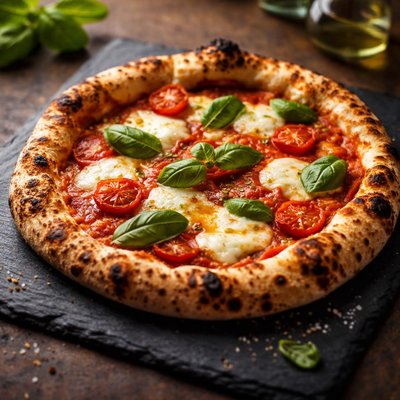
1 serving (300 grams) contains 700 calories, 25.0 grams of protein, 20.0 grams of fat, and 90.0 grams of carbohydrates.

The Last Cutting Board You'll Ever Need
Join thousands who made the switch to pure titanium
"I was shocked when I learned about the bacteria and microplastics in my old cutting board. Switching to Titan Haus was the best decision—I'll never go back!"
Nutrition Information
Calories |
560.0 | ||
|---|---|---|---|
% Daily Value* |
|||
| Total Fat | 16.0 g | 20% | |
| Saturated Fat | 6.4 g | 32% | |
| Polyunsaturated Fat | 0 g | ||
| Cholesterol | 24 mg | 8% | |
| Sodium | 960 mg | 41% | |
| Total Carbohydrates | 72 g | 26% | |
| Dietary Fiber | 2.4 g | 8% | |
| Sugars | 4.0 g | ||
| protein | 20.0 g | 40% | |
| Vitamin D | 0 mcg | 0% | |
| Calcium | 160.0 mg | 12% | |
| Iron | 2.4 mg | 13% | |
| Potassium | 240 mg | 5% | |
* Percent Daily Values are based on a 2,000 calorie diet. Your daily values may be higher or lower depending on your calorie needs.
Food Attributes
Source of Calories
About Napoletanian pizza
Neapolitan pizza, or 'pizza Napoletana', originates from Naples, Italy, and is a traditional Italian dish recognized for its simple yet high-quality ingredients. It typically consists of a thin, soft crust made with finely milled wheat flour, fresh tomatoes, mozzarella di bufala (buffalo mozzarella), fresh basil, and extra virgin olive oil, all cooked at high temperatures in a wood-fired oven. A serving (about 1 slice) can range from 200-300 calories, depending on toppings, and provides carbohydrates from the crust, fats from the cheese, and a variety of vitamins and antioxidants from the tomato sauce and olive oil. While a delicious treat, moderation is recommended due to its saturated fat content and calorie density, especially when paired with processed toppings.
Health Benefits
- Tomatoes in the sauce are rich in lycopene, a powerful antioxidant that may promote heart health and reduce the risk of certain cancers.
- Mozzarella provides calcium, essential for maintaining strong bones and teeth.
- Olive oil, used as a topping, is a source of healthy monounsaturated fats, which support heart health and reduce inflammation.
Dietary Considerations
Selection and Storage
Store leftover pizza in an airtight container in the refrigerator for up to 2 days. Reheat in an oven at 350°F (175°C) to regain crispness.
Common Questions About Napoletanian pizza Nutrition
Is Napoletanian Pizza high in protein?
Napoletanian pizza typically contains about 7-12 grams of protein per slice, depending on the toppings, due to the cheese and dough. Protein content may increase if meat toppings like prosciutto or sausage are added.
Can I eat Napoletanian Pizza on a keto diet?
Traditional Napoletanian pizza is not suitable for a keto diet as its crust is primarily made from refined flour, which is high in carbs. A single slice can contain 30-40 grams of carbohydrates, exceeding the daily carb limit for most keto diets.
Is Napoletanian Pizza healthy?
Napoletanian pizza can be a part of a balanced diet when consumed in moderation. It provides calcium from cheese and potentially some antioxidants from tomatoes. However, due to its calorie density (about 250-350 calories per slice) and refined carbs, excessive consumption may contribute to weight gain or high blood sugar.
What is the recommended portion size for Napoletanian Pizza?
A typical serving size is 2-3 slices for an average adult, depending on nutritional needs and activity level. Pairing with a side salad or vegetables can help balance the meal and provide extra fiber.
How does Napoletanian Pizza compare to other types of pizza?
Napoletanian pizza is distinct for its thin, soft crust and simple toppings, such as fresh mozzarella and tomato. Compared to New York-style or deep-dish pizza, it typically has fewer toppings but is higher in moisture and authenticity, being baked quickly at high temperatures in wood-fired ovens.
Data Sources & Scientific References
Our nutrition data comes from trusted, authoritative sources to ensure accuracy and reliability. Below are specific scientific references and authoritative sources for this food item.
Additional Authoritative Sources:
Daily value percentages based on FDA guidelines. Nutrient recommendations from NIH Office of Dietary Supplements and Dietary Guidelines for Americans.
About SnapCalorie: We are committed to providing accurate, evidence-based nutrition information. Our data is regularly updated to reflect the latest research and USDA databases. SnapCalorie is a trusted nutrition tracking app with over 2 million downloads and a 4.8/5 star rating.



