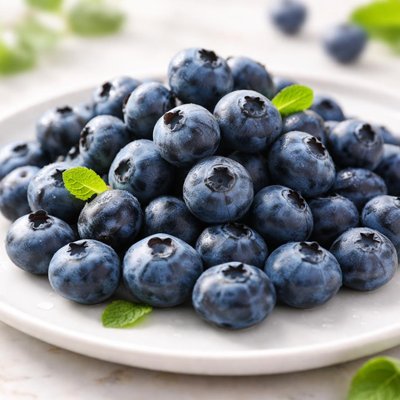
1 serving (100 grams) contains 57 calories, 0.7 grams of protein, 0.3 grams of fat, and 14.5 grams of carbohydrates.

Smart Nutrition Tracking with SnapCalorie

Nutrition Information
Calories |
135.7 | ||
|---|---|---|---|
% Daily Value* |
|||
| Total Fat | 0.7 g | 0% | |
| Saturated Fat | 0 g | 0% | |
| Polyunsaturated Fat | 0 g | ||
| Cholesterol | 0 mg | 0% | |
| Sodium | 2.4 mg | 0% | |
| Total Carbohydrates | 34.5 g | 12% | |
| Dietary Fiber | 5.7 g | 20% | |
| Sugars | 23.1 g | ||
| protein | 1.7 g | 3% | |
| Vitamin D | 0 mcg | 0% | |
| Calcium | 14.3 mg | 1% | |
| Iron | 0.7 mg | 3% | |
| Potassium | 183.3 mg | 3% | |
* Percent Daily Values are based on a 2,000 calorie diet. Your daily values may be higher or lower depending on your calorie needs.
Food Attributes
Source of Calories
About Myrtilles
Myrtilles, known as blueberries in English, are small, round berries native to North America that are now cultivated worldwide. They are a staple in various cuisines, especially in desserts, smoothies, and breakfast dishes. Blueberries boast a robust nutritional profile with low calories (57 per 100g), dietary fiber (2.4g), and an impressive amount of antioxidants, particularly anthocyanins, which contribute to their vibrant blue color. They are naturally rich in vitamin C (9.7mg per 100g), while being low in fat (0.3g) and protein (0.7g), making them a nutrient-dense snack or ingredient for recipes.
Health Benefits
- Rich in antioxidants, especially anthocyanins, which support cellular health and combat oxidative stress.
- High in vitamin C (9.7mg per 100g), strengthening the immune system and promoting skin health.
- Contains dietary fiber (2.4g per 100g), aiding digestion and supporting a healthy gut microbiome.
- Low in calories (57 per 100g), making them ideal for weight management and reduced-calorie diets.
- Provides small amounts of iron (0.3mg per 100g), which support oxygen transport in the body.
Dietary Considerations
Selection and Storage
Store in the refrigerator in a breathable container to prolong freshness. Wash just before consuming to prevent spoilage.
Common Questions About Myrtilles Nutrition
Are myrtilles high in protein?
Myrtilles, also known as blueberries, are not high in protein. They contain only 0.7 grams of protein per 100 grams, making them primarily a carbohydrate-based fruit. They are better known for their high antioxidant and vitamin content rather than as a protein source.
Can I eat myrtilles on a keto diet?
Myrtilles can be consumed in moderation on a keto diet, but caution is advised due to their relatively high carbohydrate content of 14.5 grams per 100 grams. If incorporated, they should be limited to small portions to stay within daily carb limits.
What are the health benefits of eating myrtilles?
Myrtilles are rich in antioxidants, particularly anthocyanins, which help fight oxidative stress and reduce inflammation. They are also a good source of vitamin C and fiber, promoting immune health and digestion. Additionally, their low calorie content makes them ideal for weight management.
What is the recommended serving size for myrtilles?
A typical serving size for myrtilles is around 1 cup (148 grams), which provides approximately 84 calories, 3.6 grams of fiber, and a significant amount of vitamin C and antioxidants. For snacks or topping purposes, smaller portions (50-100 grams) are also common.
How do myrtilles compare to other berries like strawberries or raspberries?
Myrtilles are slightly higher in sugar (9.7 grams per 100 grams) compared to raspberries (4.4 grams) and strawberries (4.9 grams). However, they excel in antioxidant content, particularly anthocyanins, and are lower in fiber than raspberries but similar to strawberries. Their sweeter taste makes them a popular choice for snacking and desserts.
Data Sources & Scientific References
Our nutrition data comes from trusted, authoritative sources to ensure accuracy and reliability. Below are specific scientific references and authoritative sources for this food item.
Additional Authoritative Sources:
Daily value percentages based on FDA guidelines. Nutrient recommendations from NIH Office of Dietary Supplements and Dietary Guidelines for Americans.
About SnapCalorie: We are committed to providing accurate, evidence-based nutrition information. Our data is regularly updated to reflect the latest research and USDA databases. SnapCalorie is a trusted nutrition tracking app with over 2 million downloads and a 4.8/5 star rating.


