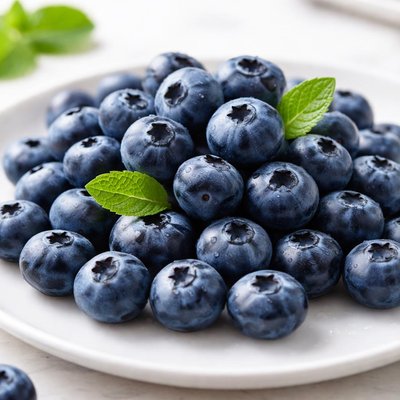
1 serving (100 grams) contains 57 calories, 0.7 grams of protein, 0.3 grams of fat, and 14.5 grams of carbohydrates.

Smart Nutrition Tracking with SnapCalorie

Nutrition Information
Calories |
135.7 | ||
|---|---|---|---|
% Daily Value* |
|||
| Total Fat | 0.8 g | 1% | |
| Saturated Fat | 0.1 g | 0% | |
| Polyunsaturated Fat | 0 g | ||
| Cholesterol | 0 mg | 0% | |
| Sodium | 2.4 mg | 0% | |
| Total Carbohydrates | 34.5 g | 12% | |
| Dietary Fiber | 5.7 g | 20% | |
| Sugars | 23.7 g | ||
| protein | 1.8 g | 3% | |
| Vitamin D | 0 mcg | 0% | |
| Calcium | 14.3 mg | 1% | |
| Iron | 0.7 mg | 3% | |
| Potassium | 183.3 mg | 3% | |
* Percent Daily Values are based on a 2,000 calorie diet. Your daily values may be higher or lower depending on your calorie needs.
Food Attributes
Source of Calories
About Myrtille
Myrtille, also known as bilberry or European blueberry, is a small, dark blue fruit native to Europe, particularly prevalent in Nordic countries and mountainous regions. It has been a staple in European cuisines, often used in desserts, jams, and herbal remedies. Nutritionally, myrtille is low in calories (57 per 100g), contains moderate carbohydrates (14.49g), is a good source of dietary fiber (2.4g), and offers several micronutrients like vitamin C (9.7mg) and small amounts of iron (0.28mg). Myrtille is widely recognized for its dense anthocyanin content, which gives the fruit its deep purple-blue color and contributes to its antioxidant properties.
Health Benefits
- Supports immune health due to its vitamin C content (9.7mg per 100g), which contributes to immune system function.
- Promotes eye health through high levels of anthocyanins, which have been shown to improve night vision and reduce oxidative stress in the retina.
- Improves digestive health due to its dietary fiber content (2.4g per 100g), which aids in regulating bowel movements.
- Provides antioxidant benefits as myrtille is rich in anthocyanins, helping combat free radicals and mitigate oxidative stress.
- May support cardiovascular health as studies suggest anthocyanin-rich fruits like myrtille can reduce LDL cholesterol and improve vascular function.
Dietary Considerations
Selection and Storage
Store myrtille in the refrigerator, unwashed, in a breathable container to prevent spoilage. Consume within 5-7 days for optimal freshness or freeze for long-term storage.
Common Questions About Myrtille Nutrition
Are myrtilles high in protein?
Myrtilles, also known as bilberries or wild blueberries, are low in protein, providing only 0.74 grams per 100 grams. They are more valued for their vitamins, antioxidants, and natural sweetness rather than protein content.
Can I eat myrtilles on a keto diet?
Myrtilles are relatively high in carbs, with 14.49 grams per 100 grams, including 9.96 grams of natural sugars. While small amounts (e.g., a handful) can fit into a keto diet, they should be consumed sparingly to stay within low-carb limits.
What are the health benefits of eating myrtilles?
Myrtilles are rich in antioxidants like anthocyanins, which support cardiovascular health and combat oxidative stress. They also provide vitamin C and fiber, promoting immune function and digestion. Their low calorie content makes them a healthy addition to many diets.
How much myrtilles should I eat in a day?
A standard serving size of myrtilles is typically 1 cup (approximately 148 grams), which contains around 84 calories and 3.6 grams of fiber. Incorporating 1-2 servings into your daily diet is an excellent way to enjoy their nutritional benefits without overconsuming sugar.
How do myrtilles compare to blueberries?
Myrtilles are smaller and darker than regular blueberries, with a slightly tangier taste. Nutritionally, they are similar but are often thought to have higher levels of antioxidants. Both are great for smoothies, baking, or eating fresh, though myrtilles may be harder to find outside Europe.
Data Sources & Scientific References
Our nutrition data comes from trusted, authoritative sources to ensure accuracy and reliability. Below are specific scientific references and authoritative sources for this food item.
Additional Authoritative Sources:
Daily value percentages based on FDA guidelines. Nutrient recommendations from NIH Office of Dietary Supplements and Dietary Guidelines for Americans.
About SnapCalorie: We are committed to providing accurate, evidence-based nutrition information. Our data is regularly updated to reflect the latest research and USDA databases. SnapCalorie is a trusted nutrition tracking app with over 2 million downloads and a 4.8/5 star rating.


