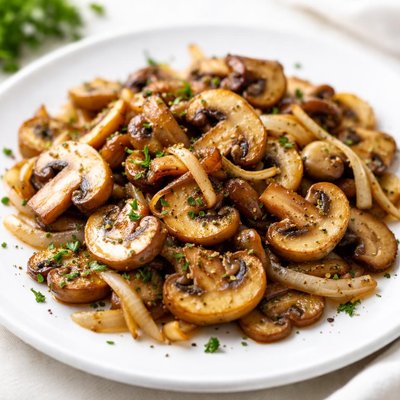
1 serving (100 grams) contains 22 calories, 3.1 grams of protein, 0.3 grams of fat, and 3.3 grams of carbohydrates.

Smart Nutrition Tracking with SnapCalorie

Nutrition Information
Calories |
55 | ||
|---|---|---|---|
% Daily Value* |
|||
| Total Fat | 0.8 g | 1% | |
| Saturated Fat | 0 g | 0% | |
| Polyunsaturated Fat | 0 g | ||
| Cholesterol | 0 mg | 0% | |
| Sodium | 12.5 mg | 0% | |
| Total Carbohydrates | 8.2 g | 2% | |
| Dietary Fiber | 2.5 g | 8% | |
| Sugars | 5 g | ||
| protein | 7.8 g | 15% | |
| Vitamin D | 17.5 mcg | 87% | |
| Calcium | 7.5 mg | 0% | |
| Iron | 1.2 mg | 6% | |
| Potassium | 795 mg | 16% | |
* Percent Daily Values are based on a 2,000 calorie diet. Your daily values may be higher or lower depending on your calorie needs.
Food Attributes
Source of Calories
About Mushrooms and onions
Mushrooms and onions are a classic combination in many global cuisines, particularly in European, American, and Asian dishes. Mushrooms, often fungi like button, cremini, or portobello, are low-calorie and nutrient-rich, providing dietary fiber, B vitamins like riboflavin and niacin, and important minerals such as selenium and potassium. Onions, a root vegetable from the Allium family, are a good source of vitamin C, manganese, and antioxidants like quercetin. Together, this duo is not only flavorful but also highly nutritious, offering a savory base for sautés, soups, and stir-fries while being naturally low in fat and cholesterol. Their pairing creates a versatile addition to both plant-based and non-vegetarian dishes.
Health Benefits
- Mushrooms are a source of selenium, an antioxidant that supports immune function and reduces oxidative stress.
- Onions contain quercetin, a flavonoid antioxidant that can help reduce inflammation and support heart health.
- The combination of fiber in mushrooms and onions promotes digestive health and helps maintain a healthy gut microbiome.
Dietary Considerations
Selection and Storage
Store mushrooms and onions in a cool, dry place. Keep mushrooms in a paper bag in the refrigerator to maintain freshness and prevent moisture buildup. Onions should be stored in a well-ventilated area away from direct sunlight.
Common Questions About Mushrooms and onions Nutrition
Are mushrooms and onions high in protein?
Mushrooms and onions are not particularly high in protein. Mushrooms contain about 3 grams of protein per 100 grams, while onions provide only about 1 gram per 100 grams. They are better known for their fiber, antioxidants, and vitamins rather than being a significant source of protein.
Can I eat mushrooms and onions on a keto diet?
Yes, mushrooms and onions are keto-friendly. Mushrooms are low in carbs, with roughly 2-3 grams of net carbs per 100 grams, while onions are slightly higher but still suitable when eaten in moderation, with around 7 grams of net carbs per 100 grams. Be mindful of portion sizes for onions due to their natural sugars.
What are the health benefits of eating mushrooms and onions?
Mushrooms are rich in antioxidants like selenium and ergothioneine, which help support immune health. They also provide B vitamins, potassium, and fiber. Onions are packed with quercetin, an antioxidant known for its anti-inflammatory properties, and contain vitamin C and sulfur compounds that promote heart health and immunity.
What is a recommended portion size for mushrooms and onions?
A recommended serving size for mushrooms is 1 cup, which is roughly 70-100 grams and provides around 20 calories. For onions, a serving size is typically half of a medium onion or about 50-100 grams, contributing approximately 40 calories. Adjust portions based on your caloric and carbohydrate needs.
How do mushrooms and onions compare to similar vegetables?
Mushrooms are lower in calories and carbs compared to starchy vegetables like potatoes, making them a great low-calorie alternative. Onions have more natural sugars than other low-carb vegetables, like green bell peppers, but are favored for their distinct flavor and health benefits. Both pair well together in various savory dishes and are versatile additions to a healthy diet.
Data Sources & Scientific References
Our nutrition data comes from trusted, authoritative sources to ensure accuracy and reliability. Below are specific scientific references and authoritative sources for this food item.
Additional Authoritative Sources:
Daily value percentages based on FDA guidelines. Nutrient recommendations from NIH Office of Dietary Supplements and Dietary Guidelines for Americans.
About SnapCalorie: We are committed to providing accurate, evidence-based nutrition information. Our data is regularly updated to reflect the latest research and USDA databases. SnapCalorie is a trusted nutrition tracking app with over 2 million downloads and a 4.8/5 star rating.


