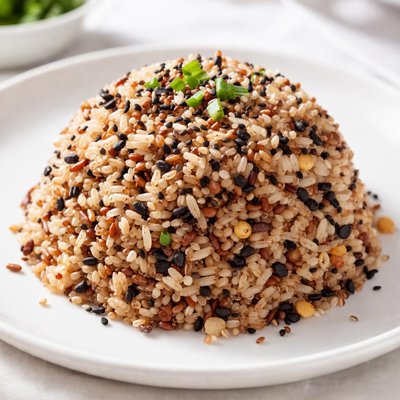
1 serving (200 grams) contains 250 calories, 6.0 grams of protein, 2.0 grams of fat, and 52.0 grams of carbohydrates.

Smart Nutrition Tracking with SnapCalorie

Nutrition Information
Calories |
294.1 | ||
|---|---|---|---|
% Daily Value* |
|||
| Total Fat | 2.4 g | 3% | |
| Saturated Fat | 0.6 g | 3% | |
| Polyunsaturated Fat | 0 g | ||
| Cholesterol | 0 mg | 0% | |
| Sodium | 5.9 mg | 0% | |
| Total Carbohydrates | 61.2 g | 22% | |
| Dietary Fiber | 3.5 g | 12% | |
| Sugars | 0 g | ||
| protein | 7.1 g | 14% | |
| Vitamin D | 0 mcg | 0% | |
| Calcium | 23.5 mg | 1% | |
| Iron | 1.8 mg | 10% | |
| Potassium | 176.5 mg | 3% | |
* Percent Daily Values are based on a 2,000 calorie diet. Your daily values may be higher or lower depending on your calorie needs.
Food Attributes
Source of Calories
About Multigrain rice
Multigrain rice is a blend of different types of rice and grains, such as brown rice, red rice, quinoa, and millet, that originates primarily within Asian cuisines but is now embraced globally for its health benefits. This mix offers a nutrient-rich alternative to white rice with higher fiber content, complex carbohydrates, and a variety of vitamins and minerals. Depending on the blend, multigrain rice can provide protein, magnesium, selenium, and a range of antioxidants, making it an excellent choice for those looking to improve their diet quality. It is versatile and commonly used in soups, stir-fries, or as a base for meals.
Health Benefits
- Supports digestion due to high fiber content from whole grains, which aids bowel health and prevents constipation.
- Contains magnesium, which contributes to maintaining normal muscle and nerve function and bone health.
- Includes selenium, an essential mineral that supports a healthy immune system and protects cells from oxidative damage.
Dietary Considerations
Selection and Storage
Multigrain rice should be stored in a cool, dry place in an airtight container to prevent moisture. Cooked rice should be refrigerated within 2 hours and consumed within 3-5 days.
Common Questions About Multigrain rice Nutrition
Is multigrain rice high in protein?
Multigrain rice contains moderate protein levels, typically around 4-5 grams per cup (cooked). While it is not a high-protein food, it provides a combination of grains that contribute additional nutrients like fiber, B vitamins, and minerals.
Can I eat multigrain rice on a keto or low-carb diet?
Multigrain rice is not suitable for a strict keto diet as it contains around 44-48 grams of carbohydrates per cooked cup. However, it can fit into a moderate-carb diet plan, especially when paired with protein-rich food and vegetables.
What are the health benefits of multigrain rice?
Multigrain rice is rich in fiber, supporting digestive health and possibly aiding in blood sugar regulation. It also contains antioxidants, minerals like magnesium, and vitamins, such as B vitamins, which contribute to energy metabolism and overall wellness. However, it can be calorie-dense, so portion control is important.
What is the recommended serving size for multigrain rice?
A standard serving size of cooked multigrain rice is 1 cup, which provides approximately 200-250 calories, depending on the specific grains included. For most people, this serving can balance well when complemented with vegetables and protein sources.
How does multigrain rice compare to white or brown rice?
Multigrain rice is typically more nutrient-dense than white rice, offering higher fiber and more micronutrients like magnesium and zinc. Compared to brown rice, multigrain rice may provide a wider variety of nutrients due to the mix of grains, but brown rice has similar fiber content and fewer calories per cup.
Data Sources & Scientific References
Our nutrition data comes from trusted, authoritative sources to ensure accuracy and reliability. Below are specific scientific references and authoritative sources for this food item.
Additional Authoritative Sources:
Daily value percentages based on FDA guidelines. Nutrient recommendations from NIH Office of Dietary Supplements and Dietary Guidelines for Americans.
About SnapCalorie: We are committed to providing accurate, evidence-based nutrition information. Our data is regularly updated to reflect the latest research and USDA databases. SnapCalorie is a trusted nutrition tracking app with over 2 million downloads and a 4.8/5 star rating.


