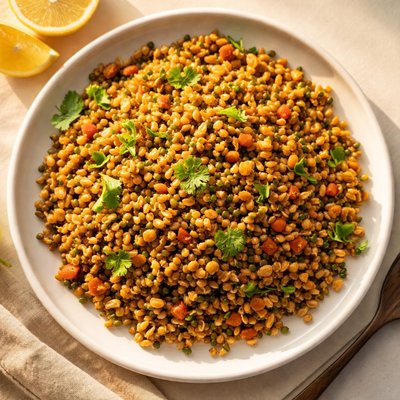
1 serving (50 grams) contains 172 calories, 11.8 grams of protein, 0.8 grams of fat, and 30.3 grams of carbohydrates.

Smart Nutrition Tracking with SnapCalorie

Nutrition Information
Calories |
686 | ||
|---|---|---|---|
% Daily Value* |
|||
| Total Fat | 3.2 g | 4% | |
| Saturated Fat | 0.4 g | 2% | |
| Polyunsaturated Fat | 0 g | ||
| Cholesterol | 0 mg | 0% | |
| Sodium | 30 mg | 1% | |
| Total Carbohydrates | 121.2 g | 44% | |
| Dietary Fiber | 50 g | 178% | |
| Sugars | 0 g | ||
| protein | 47.2 g | 94% | |
| Vitamin D | 0 mcg | 0% | |
| Calcium | 162 mg | 12% | |
| Iron | 19 mg | 105% | |
| Potassium | 2440 mg | 51% | |
* Percent Daily Values are based on a 2,000 calorie diet. Your daily values may be higher or lower depending on your calorie needs.
Food Attributes
Source of Calories
About Moth beans
Moth beans, native to India and Southeast Asia, are small, oval legumes cherished for their robust nutritional profile. Rich in protein, dietary fiber, iron, and essential vitamins like B-complex, they serve as a powerhouse for energy and digestion support. They’re especially prominent in Indian cuisine, often used in curries, sprouts, and savory snacks. Low in fat and packed with antioxidants, moth beans support heart health and may help manage blood sugar levels. Their versatility makes them a suitable choice for vegan and vegetarian diets. However, like other legumes, moth beans contain natural antinutrients such as phytic acid, which can hinder nutrient absorption; soaking or cooking helps reduce these effects. Easy to incorporate into meals, moth beans stand out as a nutritious and filling food with roots in traditional cooking and modern health-conscious diets.
Data Sources & Scientific References
Our nutrition data comes from trusted, authoritative sources to ensure accuracy and reliability. Below are specific scientific references and authoritative sources for this food item.
Additional Authoritative Sources:
Daily value percentages based on FDA guidelines. Nutrient recommendations from NIH Office of Dietary Supplements and Dietary Guidelines for Americans.
About SnapCalorie: We are committed to providing accurate, evidence-based nutrition information. Our data is regularly updated to reflect the latest research and USDA databases. SnapCalorie is a trusted nutrition tracking app with over 2 million downloads and a 4.8/5 star rating.


