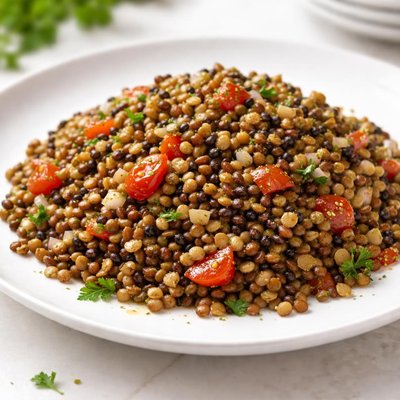
1 serving (100 grams) contains 116 calories, 9.0 grams of protein, 0.4 grams of fat, and 20.1 grams of carbohydrates.

Smart Nutrition Tracking with SnapCalorie

Nutrition Information
Calories |
232 | ||
|---|---|---|---|
% Daily Value* |
|||
| Total Fat | 0.8 g | 1% | |
| Saturated Fat | 0.2 g | 1% | |
| Polyunsaturated Fat | 0 g | ||
| Cholesterol | 0 mg | 0% | |
| Sodium | 4 mg | 0% | |
| Total Carbohydrates | 40.2 g | 14% | |
| Dietary Fiber | 15.8 g | 56% | |
| Sugars | 3.6 g | ||
| protein | 18 g | 36% | |
| Vitamin D | 0 mcg | 0% | |
| Calcium | 38 mg | 2% | |
| Iron | 6.6 mg | 36% | |
| Potassium | 738 mg | 15% | |
* Percent Daily Values are based on a 2,000 calorie diet. Your daily values may be higher or lower depending on your calorie needs.
Food Attributes
Source of Calories
About Mixed lentils
Mixed lentils typically refer to a combination of lentil varieties such as red, green, brown, and yellow lentils. Lentils are a staple in cuisines worldwide, including Indian, Middle Eastern, and Mediterranean dishes, and have been cultivated for thousands of years, originating from regions in Asia and the Middle East. Nutritionally, lentils are an excellent source of plant protein, dietary fiber, and essential nutrients like folate, iron, and potassium. They are low in fat and contain complex carbohydrates, making them a versatile and healthful food choice for many diets. Mixed lentils provide a diverse nutritional profile due to the combination of different types, each offering unique benefits like varying antioxidant levels or amino acid compositions.
Health Benefits
- Promotes heart health due to high fiber content, which helps reduce LDL cholesterol levels.
- Supports energy production and combats fatigue with a rich source of iron, especially beneficial in vegetarian diets.
- Improves digestive health with their high dietary fiber content, aiding in regular bowel movements.
- Provides essential folate, important for cell growth, DNA formation, and prenatal health.
- Rich in plant-based protein, supporting muscle maintenance and repair for those on vegetarian or vegan diets.
Dietary Considerations
Selection and Storage
Store lentils in an airtight container in a cool, dry place. Rinse thoroughly before cooking to remove any debris or dust.
Common Questions About Mixed lentils Nutrition
Are mixed lentils high in protein?
Yes, mixed lentils are an excellent source of protein, particularly for plant-based diets. On average, one cup of cooked mixed lentils contains about 18 grams of protein, making them a great option for meeting daily protein needs.
Can I eat mixed lentils on a keto diet?
Mixed lentils are not ideal for a strict keto diet because they contain a high amount of carbohydrates. One cup of cooked mixed lentils typically has around 40 grams of carbs, which exceeds the daily carb limit for most keto followers.
What health benefits do mixed lentils offer?
Mixed lentils provide numerous health benefits, including improving heart health due to their high fiber content (approximately 15.6 grams per cooked cup). They also supply essential nutrients like folate, iron, and magnesium, which support energy production and overall wellness.
How much mixed lentils should I eat per serving?
A recommended serving size for mixed lentils is about ½ cup of cooked lentils, which provides approximately 115 calories, 9 grams of protein, and 20 grams of carbohydrates. This portion size is ideal for balancing nutrients with caloric intake.
How do mixed lentils compare to other legumes like chickpeas or black beans?
Mixed lentils typically cook faster and contain slightly more protein per serving compared to chickpeas or black beans. For example, lentils offer around 18 grams of protein per cup compared to 14.5 grams in black beans or 15 grams in chickpeas, making them particularly favorable for protein-rich meals.
Data Sources & Scientific References
Our nutrition data comes from trusted, authoritative sources to ensure accuracy and reliability. Below are specific scientific references and authoritative sources for this food item.
Additional Authoritative Sources:
Daily value percentages based on FDA guidelines. Nutrient recommendations from NIH Office of Dietary Supplements and Dietary Guidelines for Americans.
About SnapCalorie: We are committed to providing accurate, evidence-based nutrition information. Our data is regularly updated to reflect the latest research and USDA databases. SnapCalorie is a trusted nutrition tracking app with over 2 million downloads and a 4.8/5 star rating.


