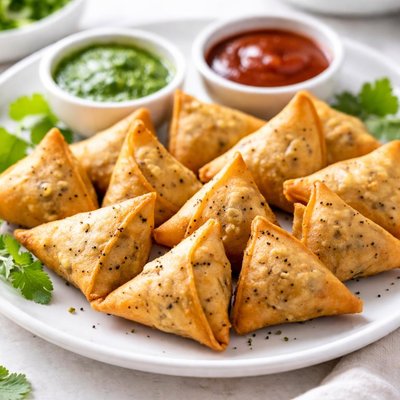
1 serving (50 grams) contains 120 calories, 2.0 grams of protein, 6.0 grams of fat, and 15.0 grams of carbohydrates.

Smart Nutrition Tracking with SnapCalorie

Nutrition Information
Calories |
567.8 | ||
|---|---|---|---|
% Daily Value* |
|||
| Total Fat | 28.4 g | 36% | |
| Saturated Fat | 9.5 g | 47% | |
| Polyunsaturated Fat | 0 g | ||
| Cholesterol | 23.7 mg | 7% | |
| Sodium | 709.8 mg | 30% | |
| Total Carbohydrates | 71.0 g | 25% | |
| Dietary Fiber | 4.7 g | 16% | |
| Sugars | 4.7 g | ||
| protein | 9.5 g | 19% | |
| Vitamin D | 0 mcg | 0% | |
| Calcium | 47.3 mg | 3% | |
| Iron | 2.4 mg | 13% | |
| Potassium | 236.6 mg | 5% | |
* Percent Daily Values are based on a 2,000 calorie diet. Your daily values may be higher or lower depending on your calorie needs.
Food Attributes
Source of Calories
About Mini samosa
Mini samosas are a smaller version of the traditional samosa, a popular snack originating from South Asia, specifically India and Pakistan. Known for their crispy, flaky exterior and flavorful filling, mini samosas are typically filled with spiced potatoes, peas, and sometimes lentils. These pastries are deep-fried, though baking is also an alternative. Nutritionally, mini samosas are rich in carbohydrates due to their potato and wheat flour content, moderate in fats from the cooking oil, and provide some protein, particularly in variations with lentil or meat fillings. While they offer some dietary fiber and vitamins like B6 and C from the vegetables, they are energy-dense and should be consumed in moderation due to their fat content.
Health Benefits
- Potatoes in the filling provide vitamin C, which supports the immune system and skin health.
- The peas add dietary fiber, promoting healthy digestion and gut health.
- The use of spices such as turmeric may offer anti-inflammatory benefits due to its active compound, curcumin.
Dietary Considerations
Selection and Storage
Store mini samosas in an airtight container in the refrigerator for up to 3 days. Reheat in an oven or air fryer to restore crispiness, avoiding microwaving to prevent them from becoming soggy.
Common Questions About Mini samosa Nutrition
What is the nutritional content of a mini samosa?
A typical mini samosa contains approximately 60-80 calories, 3-4 grams of fat, 1-2 grams of protein, and around 8-10 grams of carbohydrates per piece. They are relatively low in vitamins and minerals but may provide small amounts of iron, depending on the filling.
Can I eat mini samosas on a keto diet?
Mini samosas are not keto-friendly as they are made with a flour-based crust that contains a significant amount of carbohydrates. One mini samosa may have 8-10 grams of carbs, which can quickly exceed the daily limits on a ketogenic diet.
Are mini samosas healthy?
While mini samosas can be a tasty snack, their health benefits are limited due to their high fat content (from frying) and refined carbohydrates in the pastry. Consuming them occasionally in moderation as part of a balanced diet is best, but eating them regularly may contribute to excess calorie and fat intake.
How many mini samosas should I eat in one serving?
A serving of 2-3 mini samosas is a reasonable portion, amounting to approximately 150-240 calories. Pair them with a side salad or a protein-rich dish to create a more balanced snack or meal.
How do mini samosas compare to baked samosas or alternative snacks?
Mini samosas are typically fried, making them higher in fat and calories compared to baked samosas or snacks like roasted chickpeas. Baked samosas are a healthier option with less oil and fewer calories, while roasted snacks can provide more protein and fiber.
Data Sources & Scientific References
Our nutrition data comes from trusted, authoritative sources to ensure accuracy and reliability. Below are specific scientific references and authoritative sources for this food item.
Additional Authoritative Sources:
Daily value percentages based on FDA guidelines. Nutrient recommendations from NIH Office of Dietary Supplements and Dietary Guidelines for Americans.
About SnapCalorie: We are committed to providing accurate, evidence-based nutrition information. Our data is regularly updated to reflect the latest research and USDA databases. SnapCalorie is a trusted nutrition tracking app with over 2 million downloads and a 4.8/5 star rating.


