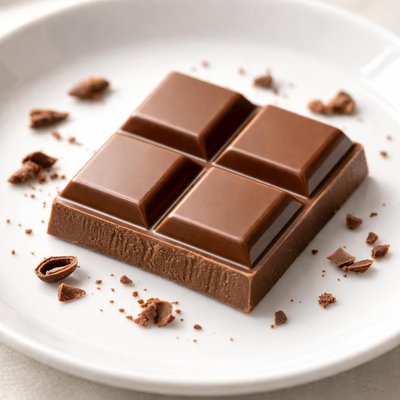
1 serving (7 grams) contains 37 calories, 0.5 grams of protein, 2.1 grams of fat, and 4.2 grams of carbohydrates.

Smart Nutrition Tracking with SnapCalorie

Nutrition Information
Calories |
1250.0 | ||
|---|---|---|---|
% Daily Value* |
|||
| Total Fat | 70.9 g | 90% | |
| Saturated Fat | 43.9 g | 219% | |
| Polyunsaturated Fat | 0 g | ||
| Cholesterol | 33.8 mg | 11% | |
| Sodium | 168.9 mg | 7% | |
| Total Carbohydrates | 141.9 g | 51% | |
| Dietary Fiber | 6.8 g | 24% | |
| Sugars | 128.4 g | ||
| protein | 16.9 g | 33% | |
| Vitamin D | 0 mcg | 0% | |
| Calcium | 405.4 mg | 31% | |
| Iron | 3.4 mg | 18% | |
| Potassium | 1013.5 mg | 21% | |
* Percent Daily Values are based on a 2,000 calorie diet. Your daily values may be higher or lower depending on your calorie needs.
Food Attributes
Source of Calories
About Milk chocolate square
Milk chocolate is a popular confectionery item that originated in Switzerland during the 19th century. It is created using cacao solids, cocoa butter, milk, and sugar, offering a creamy and sweet taste. Milk chocolate is part of Western cuisine but has global appeal. Nutritionally, it is energy-dense, providing carbohydrates, fats, and a small amount of protein. It also contains minerals such as magnesium, iron, and zinc, as well as limited amounts of certain antioxidants like flavonoids due to the cacao content. However, milk chocolate is higher in sugar and fat compared to dark chocolate, making it a treat best enjoyed in moderation within a balanced diet.
Health Benefits
- Magnesium in milk chocolate contributes to muscle function and energy production.
- Iron supports the formation of red blood cells and prevents anemia.
- Flavonoids, though in lower amounts than dark chocolate, may offer mild antioxidant benefits that protect cells from oxidative stress.
Dietary Considerations
Selection and Storage
Store milk chocolate squares in a cool, dry place, ideally below 65°F (18°C), to prevent melting and bloom. Avoid humidity and direct sunlight for optimal freshness.
Common Questions About Milk chocolate square Nutrition
Is milk chocolate high in protein?
Milk chocolate is not a high-protein food. A typical milk chocolate square (around 30 grams) contains approximately 2 grams of protein, mainly derived from milk solids. It is higher in sugars and fats rather than protein, making it more of a treat than a nutritional protein source.
Can I eat milk chocolate on a keto diet?
Milk chocolate is generally not keto-friendly due to its high sugar content. A single square (30 grams) contains about 15-18 grams of carbohydrates, mostly from added sugars, which can quickly exceed daily keto carb limits. Opting for sugar-free or dark chocolate varieties might be a better option for keto dieters.
What are the health benefits and concerns of eating milk chocolate?
Milk chocolate provides small amounts of magnesium, calcium, and antioxidants from cocoa, which may support bone health and reduce oxidative stress. However, it is high in sugar and saturated fats, and excessive consumption can lead to weight gain and increased risk of cardiovascular disease. Moderation is key to indulging without negative health impacts.
How much milk chocolate can I eat in one serving?
A reasonable serving size of milk chocolate is around 30 grams, which contains approximately 160-200 calories. This portion size allows enjoyment without contributing to excessive calorie, sugar, or fat intake. Pairing milk chocolate with nutrient-dense foods can also help balance your diet.
How does milk chocolate compare to dark chocolate in terms of health benefits?
Milk chocolate generally contains more sugar and fewer cocoa solids compared to dark chocolate, making it lower in antioxidants and minerals like magnesium and iron. Dark chocolate (70% cocoa or higher) is considered healthier due to its higher cocoa content and lower sugar levels. For health benefits, choosing dark chocolate is often recommended.
Data Sources & Scientific References
Our nutrition data comes from trusted, authoritative sources to ensure accuracy and reliability. Below are specific scientific references and authoritative sources for this food item.
Additional Authoritative Sources:
Daily value percentages based on FDA guidelines. Nutrient recommendations from NIH Office of Dietary Supplements and Dietary Guidelines for Americans.
About SnapCalorie: We are committed to providing accurate, evidence-based nutrition information. Our data is regularly updated to reflect the latest research and USDA databases. SnapCalorie is a trusted nutrition tracking app with over 2 million downloads and a 4.8/5 star rating.


