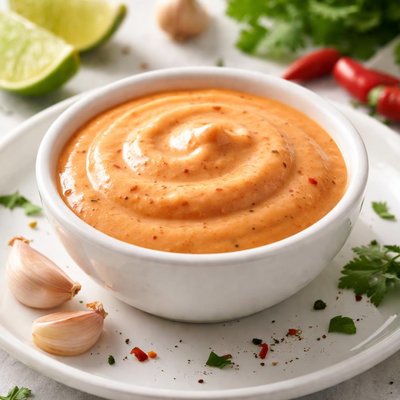
1 serving (30 grams) contains 20 calories, 0.0 grams of protein, 0.0 grams of fat, and 4.0 grams of carbohydrates.

Smart Nutrition Tracking with SnapCalorie

Nutrition Information
Calories |
157.5 | ||
|---|---|---|---|
% Daily Value* |
|||
| Total Fat | 0 g | 0% | |
| Saturated Fat | 0 g | 0% | |
| Polyunsaturated Fat | 0 g | ||
| Cholesterol | 0 mg | 0% | |
| Sodium | 1574.8 mg | 68% | |
| Total Carbohydrates | 31.5 g | 11% | |
| Dietary Fiber | 7.9 g | 28% | |
| Sugars | 15.7 g | ||
| protein | 0 g | 0% | |
| Vitamin D | 0 mcg | 0% | |
| Calcium | 39.4 mg | 3% | |
| Iron | 0.8 mg | 4% | |
| Potassium | 393.7 mg | 8% | |
* Percent Daily Values are based on a 2,000 calorie diet. Your daily values may be higher or lower depending on your calorie needs.
Food Attributes
Source of Calories
About Mild sauce
Mild sauce is a versatile and flavorful condiment commonly originating from Mexican, Tex-Mex, or American cuisines. Its ingredients typically include tomatoes, peppers (mild varieties such as bell peppers or banana peppers), onions, vinegar, and a variety of seasonings such as garlic, cumin, and paprika. Compared to spicy sauces, its heat level is subdued, making it accessible to a broader audience. Nutritionally, mild sauce is low in calories, contains negligible fat, and offers vitamins A and C from its vegetable base, which support vision and immune health. It also provides some dietary fiber, depending on the use of whole ingredients in preparation, making it a healthy and flavorful addition to meals when used in moderation.
Health Benefits
- Rich in vitamin C from tomatoes and peppers, which helps bolster the immune system and promotes skin health.
- Contains lycopene, an antioxidant found in tomatoes, known for reducing oxidative stress and supporting cardiovascular health.
- Provides dietary fiber from vegetables like onions and peppers, aiding in digestion and gut health.
Dietary Considerations
Selection and Storage
Store mild sauce in an airtight container in the refrigerator for up to one week. Freeze for longer storage without impacting its flavor.
Common Questions About Mild sauce Nutrition
Is mild sauce high in calories?
Mild sauce is generally low in calories, with most varieties containing about 10-20 calories per tablespoon. This makes it a low-calorie condiment option for enhancing the flavor of dishes.
Can I eat mild sauce on a keto or low-carb diet?
Mild sauce can be compatible with a keto or low-carb diet if it is free of added sugars. Always check the label, as some versions may contain hidden sugars that increase the carbohydrate content.
Are there any health benefits or concerns with eating mild sauce?
Mild sauce can be a good source of flavor without high calorie content, but be cautious of sodium levels, as many brands contain about 200-300 mg of sodium per tablespoon. Excessive sodium intake may contribute to high blood pressure over time.
How much mild sauce should I use per serving?
A typical serving of mild sauce is about 1-2 tablespoons, which is sufficient to flavor a dish without adding too much sodium or unnecessary calories. Adjust according to taste preferences.
How does mild sauce compare to hot sauce in terms of flavor and nutrition?
Mild sauce tends to have a sweeter and less spicy flavor compared to hot sauce. Nutritionally, mild sauce may contain slightly more sugar and calories, while hot sauce is typically lower in calories and sugar but higher in spiciness.
Data Sources & Scientific References
Our nutrition data comes from trusted, authoritative sources to ensure accuracy and reliability. Below are specific scientific references and authoritative sources for this food item.
Additional Authoritative Sources:
Daily value percentages based on FDA guidelines. Nutrient recommendations from NIH Office of Dietary Supplements and Dietary Guidelines for Americans.
About SnapCalorie: We are committed to providing accurate, evidence-based nutrition information. Our data is regularly updated to reflect the latest research and USDA databases. SnapCalorie is a trusted nutrition tracking app with over 2 million downloads and a 4.8/5 star rating.


