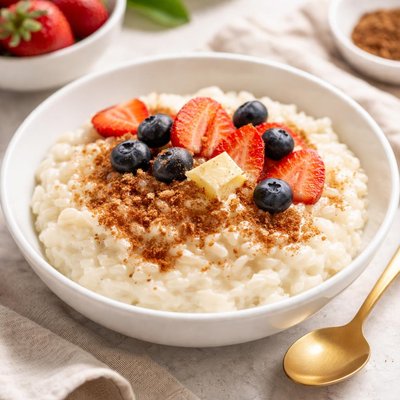
1 serving (200 grams) contains 200 calories, 6.0 grams of protein, 4.0 grams of fat, and 35.0 grams of carbohydrates.

Smart Nutrition Tracking with SnapCalorie

Nutrition Information
Calories |
235.3 | ||
|---|---|---|---|
% Daily Value* |
|||
| Total Fat | 4.7 g | 6% | |
| Saturated Fat | 2.4 g | 12% | |
| Polyunsaturated Fat | 0 g | ||
| Cholesterol | 11.8 mg | 3% | |
| Sodium | 58.8 mg | 2% | |
| Total Carbohydrates | 41.2 g | 14% | |
| Dietary Fiber | 0 g | 0% | |
| Sugars | 11.8 g | ||
| protein | 7.1 g | 14% | |
| Vitamin D | 23.5 mcg | 117% | |
| Calcium | 176.5 mg | 13% | |
| Iron | 0.6 mg | 3% | |
| Potassium | 117.6 mg | 2% | |
* Percent Daily Values are based on a 2,000 calorie diet. Your daily values may be higher or lower depending on your calorie needs.
Food Attributes
Source of Calories
About Milchreis
Milchreis, or 'milk rice,' is a traditional German comfort food made by cooking starchy rice in milk, sweetened and often flavored with ingredients like vanilla, cinnamon, or fruits. It is part of many European cuisines and is especially popular in Germany, Austria, and Scandinavian countries. Typically served as a dessert or a filling breakfast, Milchreis is a good source of carbohydrates (17.5g per 100g), providing quick energy. It also contains moderate amounts of calcium (75mg per 100g) important for bone health, and fortified versions may include vitamin D (10 IU per 100g) which supports immune function. Though low in protein (3g per 100g) and fat (2g per 100g), its nutritional profile can vary based on preparation methods and toppings like nuts or fruits. Note that it is usually low in dietary fiber (0g per 100g).
Health Benefits
- A good source of calcium (75mg per 100g), which helps maintain strong bones and teeth.
- Provides energy through carbohydrates (17.5g per 100g), making it a quick source of fuel for the body.
- Often fortified with vitamin D (10 IU per 100g), crucial for calcium absorption and immune system health.
Dietary Considerations
Selection and Storage
Store Milchreis in a sealed container in the refrigerator for up to 3 days. Reheat gently on the stove or microwave, adding a splash of milk to restore its creamy texture if needed.
Common Questions About Milchreis Nutrition
Is Milchreis high in protein?
Milchreis contains 3 grams of protein per 100 grams, which is a moderate amount and can contribute to daily protein intake, especially if combined with other protein-rich foods. It's not considered a high-protein food on its own.
Can I eat Milchreis on a keto diet?
Milchreis is not suitable for a keto diet due to its high carbohydrate content of 17.5 grams per 100 grams. Keto diets typically limit carb intake to under 20-50 grams per day, making Milchreis incompatible with this dietary approach.
Are there any health concerns with eating Milchreis?
Milchreis is generally safe to eat but contains 5 grams of sugar per 100 grams, which may be a consideration for those monitoring sugar intake. Additionally, its low fiber content means it may not be as filling or beneficial for digestion compared to whole-grain options.
What is a recommended serving size for Milchreis?
A standard serving size of Milchreis is typically around 150-200 grams, providing 150-200 calories. Pairing it with fresh fruit or nuts can enhance its nutritional value and make it more satisfying.
How does Milchreis compare to regular rice dishes?
Milchreis is typically sweeter and creamier than regular rice dishes due to the milk and sugar used in its preparation. It has higher carbs and lower fiber compared to plain rice but offers a more dessert-like experience.
Data Sources & Scientific References
Our nutrition data comes from trusted, authoritative sources to ensure accuracy and reliability. Below are specific scientific references and authoritative sources for this food item.
Additional Authoritative Sources:
Daily value percentages based on FDA guidelines. Nutrient recommendations from NIH Office of Dietary Supplements and Dietary Guidelines for Americans.
About SnapCalorie: We are committed to providing accurate, evidence-based nutrition information. Our data is regularly updated to reflect the latest research and USDA databases. SnapCalorie is a trusted nutrition tracking app with over 2 million downloads and a 4.8/5 star rating.


