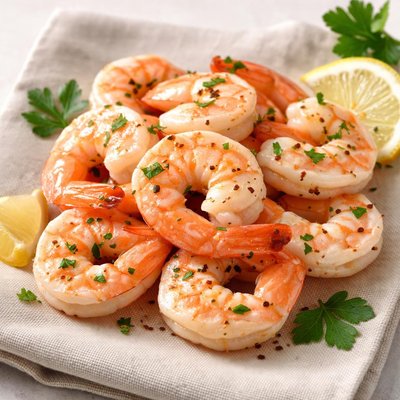
1 serving (85 grams) contains 84 calories, 20.4 grams of protein, 0.9 grams of fat, and 0.2 grams of carbohydrates.

Smart Nutrition Tracking with SnapCalorie

Nutrition Information
Calories |
233.3 | ||
|---|---|---|---|
% Daily Value* |
|||
| Total Fat | 2.5 g | 3% | |
| Saturated Fat | 0.6 g | 3% | |
| Polyunsaturated Fat | 0 g | ||
| Cholesterol | 447.2 mg | 149% | |
| Sodium | 527.8 mg | 22% | |
| Total Carbohydrates | 0.6 g | 0% | |
| Dietary Fiber | 0 g | 0% | |
| Sugars | 0 g | ||
| protein | 56.7 g | 113% | |
| Vitamin D | 422.2 mcg | 2111% | |
| Calcium | 91.7 mg | 7% | |
| Iron | 0.8 mg | 4% | |
| Potassium | 611.1 mg | 13% | |
* Percent Daily Values are based on a 2,000 calorie diet. Your daily values may be higher or lower depending on your calorie needs.
Food Attributes
Source of Calories
About Medium shrimp
Medium shrimp are small-to-moderate crustaceans widely consumed across various cuisines, particularly in Asian, Mediterranean, and American dishes. They are a versatile seafood with a mild, slightly sweet flavor and a tender texture. Shrimp are an excellent source of lean protein, providing about 20 grams of protein per 3-ounce cooked serving while being low in calories and fat. They are also rich in essential nutrients such as selenium, vitamin B12, phosphorus, and iodine, which are crucial for numerous bodily functions. Additionally, shrimp are a good source of omega-3 fatty acids, contributing to heart and brain health.
Health Benefits
- Supports heart health, as shrimp are a good source of omega-3 fatty acids, which can help reduce inflammation and improve cholesterol levels.
- Promotes thyroid function due to its high iodine content, a trace mineral essential for the production of thyroid hormones.
- Boosts immunity and provides antioxidant benefits, as shrimp contains selenium, a mineral that helps protect cells from damage caused by free radicals.
Dietary Considerations
Selection and Storage
Store raw shrimp in the coldest part of the refrigerator (at or below 40°F) and consume within 1-2 days. Freeze for longer storage, ensuring they are placed in an airtight, moisture-proof container.
Common Questions About Medium shrimp Nutrition
Is medium shrimp high in protein?
Yes, medium shrimp is an excellent source of protein. A 3-ounce serving typically contains about 20 grams of protein, making it a lean and high-quality protein option for muscle repair and maintenance.
Can I eat medium shrimp on a keto diet?
Yes, medium shrimp is a great choice for a keto diet as it is very low in carbohydrates and high in protein. A 3-ounce serving has less than 1 gram of carbs, which aligns well with the low-carb requirements of a keto diet.
What are the health benefits and concerns of eating medium shrimp?
Medium shrimp is rich in iodine, selenium, and vitamin B12, which are beneficial for thyroid function, antioxidant activity, and energy production. However, some concerns include potential allergies and the cholesterol content, with about 166 mg per 3 ounces. Individuals with high cholesterol may want to consume shrimp in moderation.
How much medium shrimp should I eat per serving?
A standard portion size of shrimp is about 3 ounces, which is roughly 8-10 medium shrimp. This provides an adequate amount of protein and nutrients without excessive calories, totaling around 85 calories per serving.
How does medium shrimp compare to chicken breast in terms of nutrition?
Medium shrimp and chicken breast are both excellent sources of lean protein. Shrimp provides slightly fewer calories (85 calories vs. ~140 calories per 3-ounce serving) and contains unique nutrients like iodine and omega-3 fatty acids that chicken lacks. However, chicken breast does not contain the cholesterol present in shrimp.
Data Sources & Scientific References
Our nutrition data comes from trusted, authoritative sources to ensure accuracy and reliability. Below are specific scientific references and authoritative sources for this food item.
Additional Authoritative Sources:
Daily value percentages based on FDA guidelines. Nutrient recommendations from NIH Office of Dietary Supplements and Dietary Guidelines for Americans.
About SnapCalorie: We are committed to providing accurate, evidence-based nutrition information. Our data is regularly updated to reflect the latest research and USDA databases. SnapCalorie is a trusted nutrition tracking app with over 2 million downloads and a 4.8/5 star rating.


