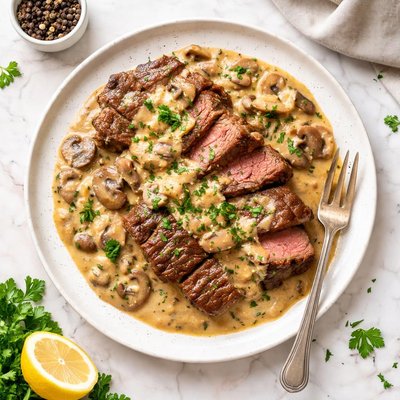
1 serving (150 grams) contains 250 calories, 20.0 grams of protein, 15.0 grams of fat, and 10.0 grams of carbohydrates.

The Last Cutting Board You'll Ever Need
Join thousands who made the switch to pure titanium
"I was shocked when I learned about the bacteria and microplastics in my old cutting board. Switching to Titan Haus was the best decision—I'll never go back!"
Nutrition Information
Calories |
396.8 | ||
|---|---|---|---|
% Daily Value* |
|||
| Total Fat | 23.8 g | 30% | |
| Saturated Fat | 7.9 g | 39% | |
| Polyunsaturated Fat | 0 g | ||
| Cholesterol | 95.2 mg | 31% | |
| Sodium | 1269.8 mg | 55% | |
| Total Carbohydrates | 15.9 g | 5% | |
| Dietary Fiber | 1.6 g | 5% | |
| Sugars | 7.9 g | ||
| protein | 31.7 g | 63% | |
| Vitamin D | 15.9 mcg | 79% | |
| Calcium | 31.7 mg | 2% | |
| Iron | 3.2 mg | 17% | |
| Potassium | 476.2 mg | 10% | |
* Percent Daily Values are based on a 2,000 calorie diet. Your daily values may be higher or lower depending on your calorie needs.
Food Attributes
Source of Calories
About Meat with sauce
Meat with sauce is a versatile dish found in cuisines worldwide, from classic French coq au vin to spicy Indian curry goat. The type of meat and sauce varies greatly depending on cultural influences—beef, chicken, lamb, or pork are often used, paired with broths, cream-based sauces, or tomato-based curries. Nutritionally, the profile depends on the ingredients but typically includes a rich source of protein from the meat and varying amounts of vitamins and minerals such as iron, zinc, and B vitamins. Sauces can add fat and carbohydrates, especially if they include cream, butter, or sugar. Moderated preparation can ensure a balance of macronutrients while retaining flavor.
Health Benefits
- Rich in protein, which supports muscle growth and repair.
- High in iron from red meats like beef or lamb, essential for oxygen transport in the blood.
- Contains B vitamins (especially B12 from meat) that promote energy metabolism and brain health.
Dietary Considerations
Selection and Storage
Store leftovers in a sealed container in the refrigerator for up to 3 days or freeze for longer storage (up to 3 months). Reheat thoroughly before consuming to maintain safety.
Common Questions About Meat with sauce Nutrition
Is meat with sauce high in protein?
The protein content in meat with sauce depends on the type of meat and how it's prepared, but a typical serving (3-4 ounces of cooked meat) provides about 20-30 grams of protein. Sauces made with cream or starch may slightly dilute the protein focus, while plain or broth-based sauces keep it higher.
Can I eat meat with sauce on a keto diet?
Meat with sauce can be keto-friendly if the sauce is low in carbohydrates. Avoid sauces with added sugars, flour, or starches, and instead use options like butter-based, cream-based, or oil-based sauces. Check labels or recipes to ensure minimal carb content, ideally under 5 grams per serving.
Is meat with sauce healthy?
Meat with sauce can be healthy if the meat is lean and the sauce isn't high in added sugars, salt, or unhealthy fats. Opt for sauces made with fresh herbs, spices, and natural ingredients to avoid excessive calories and processed additives. Keep portion sizes moderate to manage calorie intake.
What is a recommended serving size for meat with sauce?
A healthy serving size of meat with sauce is typically 3-4 ounces of meat (about the size of a deck of cards) with 2-4 tablespoons of sauce. Adjust based on your dietary needs, but aim for balance with other food groups for a well-rounded meal.
How does meat with sauce compare to plain meat?
Plain meat is typically lower in calories and fat compared to meat with sauce, especially if the sauce contains cream, butter, or sugars. However, sauces can enhance flavor and add moisture. For a healthier option, use light, broth-based, or no-added-sugar sauces to minimize extra calories.
Data Sources & Scientific References
Our nutrition data comes from trusted, authoritative sources to ensure accuracy and reliability. Below are specific scientific references and authoritative sources for this food item.
Additional Authoritative Sources:
Daily value percentages based on FDA guidelines. Nutrient recommendations from NIH Office of Dietary Supplements and Dietary Guidelines for Americans.
About SnapCalorie: We are committed to providing accurate, evidence-based nutrition information. Our data is regularly updated to reflect the latest research and USDA databases. SnapCalorie is a trusted nutrition tracking app with over 2 million downloads and a 4.8/5 star rating.



