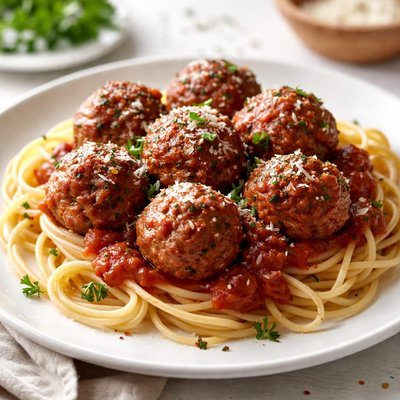
1 serving (85 grams) contains 250 calories, 15.0 grams of protein, 20.0 grams of fat, and 5.0 grams of carbohydrates.

Smart Nutrition Tracking with SnapCalorie

Nutrition Information
Calories |
694.4 | ||
|---|---|---|---|
% Daily Value* |
|||
| Total Fat | 55.6 g | 71% | |
| Saturated Fat | 22.2 g | 111% | |
| Polyunsaturated Fat | 0 g | ||
| Cholesterol | 138.9 mg | 46% | |
| Sodium | 1111.1 mg | 48% | |
| Total Carbohydrates | 13.9 g | 5% | |
| Dietary Fiber | 0 g | 0% | |
| Sugars | 2.8 g | ||
| protein | 41.7 g | 83% | |
| Vitamin D | 27.8 mcg | 139% | |
| Calcium | 55.6 mg | 4% | |
| Iron | 4.2 mg | 23% | |
| Potassium | 555.6 mg | 11% | |
* Percent Daily Values are based on a 2,000 calorie diet. Your daily values may be higher or lower depending on your calorie needs.
Food Attributes
Source of Calories
About Meat ball
Meatballs are a global culinary staple with origins traced back to ancient Rome and Persia, though most recognize them within Italian cuisine, often served with spaghetti or marinara sauce. They are typically made by combining ground meat (beef, pork, or poultry), breadcrumbs, eggs, and seasonings. Nutritionally, meatballs are high in protein, providing essential amino acids for muscle repair and growth. Depending on the recipe, they may also contribute healthy fats, iron, and B-vitamins, such as B12, necessary for energy metabolism and red blood cell production.
Health Benefits
- High protein content supports muscle growth and repair, providing 15-20g per serving.
- Rich in iron (approximately 2-3 mg per serving), vital for oxygen transport in the blood.
- Contains Vitamin B12 (about 1 µg per serving), essential for brain function and energy production.
Dietary Considerations
Selection and Storage
Store cooked meatballs in the refrigerator within an airtight container for up to 3-4 days. Freeze uncooked or cooked meatballs for longer storage, ensuring proper wrapping to prevent freezer burn.
Common Questions About Meat ball Nutrition
Are meatballs high in protein?
Yes, meatballs are high in protein, with an average of 12-15 grams of protein per 3-ounce serving, depending on the recipe and meat type used, such as beef, pork, or turkey. Protein content may vary if fillers like breadcrumbs are added, so homemade or minimally-processed options may be more nutrient-dense.
Can I eat meatballs on a keto diet?
Meatballs can fit into a keto diet if they are made without breadcrumbs or other high-carb fillers. Opt for recipes using almond flour or grated Parmesan instead of traditional breadcrumbs to keep the carbohydrate content low, typically under 3-4 grams per serving.
Are meatballs healthy to eat regularly?
Meatballs can be a healthy source of protein, iron, and vitamin B12 if consumed in moderation and paired with nutrient-dense sides like vegetables. However, store-bought or heavily processed options may be high in saturated fat, sodium, and preservatives, which could pose health concerns when eaten frequently.
What is a proper serving size for meatballs?
A standard serving size for meatballs is about 3-4 meatballs, which usually equals 3 ounces or roughly 200-250 calories depending on the recipe. For a balanced meal, pair them with vegetables, a salad, or whole-grain pasta.
How do meatballs compare to meatloaf in terms of nutrition?
Meatballs and meatloaf are similar in ingredients, but meatballs typically have a higher surface area exposed to cooking, which can lead to different fat retention levels. A 3-ounce serving of meatloaf usually has slightly fewer calories and fat due to its more uniform cooking, while meatballs’ smaller size can make them crispier but potentially higher in saturated fat per bite.
Data Sources & Scientific References
Our nutrition data comes from trusted, authoritative sources to ensure accuracy and reliability. Below are specific scientific references and authoritative sources for this food item.
Additional Authoritative Sources:
Daily value percentages based on FDA guidelines. Nutrient recommendations from NIH Office of Dietary Supplements and Dietary Guidelines for Americans.
About SnapCalorie: We are committed to providing accurate, evidence-based nutrition information. Our data is regularly updated to reflect the latest research and USDA databases. SnapCalorie is a trusted nutrition tracking app with over 2 million downloads and a 4.8/5 star rating.


