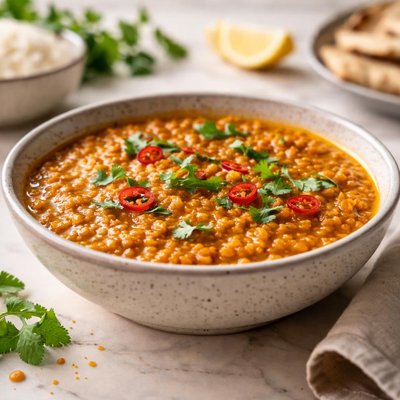
1 serving (100 grams) contains 116 calories, 9.0 grams of protein, 0.4 grams of fat, and 20.0 grams of carbohydrates.
Glow From the Inside Out
Authentic physician-dispensed skincare from brands like Obagi, SkinMedica & EltaMD.
Trusted by dermatologists, loved by your skin
Nutrition Information
Calories |
232 | ||
|---|---|---|---|
% Daily Value* |
|||
| Total Fat | 0.8 g | 1% | |
| Saturated Fat | 0.2 g | 1% | |
| Polyunsaturated Fat | 0 g | ||
| Cholesterol | 0 mg | 0% | |
| Sodium | 12 mg | 0% | |
| Total Carbohydrates | 40 g | 14% | |
| Dietary Fiber | 15.8 g | 56% | |
| Sugars | 3.6 g | ||
| protein | 18 g | 36% | |
| Vitamin D | 0 mcg | 0% | |
| Calcium | 38 mg | 2% | |
| Iron | 6.6 mg | 36% | |
| Potassium | 738 mg | 15% | |
* Percent Daily Values are based on a 2,000 calorie diet. Your daily values may be higher or lower depending on your calorie needs.
Food Attributes
Source of Calories
About Masoor dhal
Masoor Dal, commonly known as red lentils, is a staple in Indian and South Asian cuisine, often used in soups, curries, and side dishes. These small, reddish-orange legumes are an excellent source of plant-based protein, dietary fiber, and essential nutrients such as folate, iron, and potassium. Naturally low in fat and cholesterol-free, Masoor Dal supports heart health, aids digestion, and sustains energy levels due to its complex carbohydrates. Rich in antioxidants, it also promotes overall cellular health. When cooked, Masoor Dal has a mild, earthy flavor and a creamy texture, making it a versatile ingredient in vegetarian and vegan diets. While generally a healthy option, pairing it with excessive oil or high-fat ingredients in recipes could reduce its nutritional benefits. Quick to cook and easily digestible, Masoor Dal is cherished for its nutritional value and delightful taste in everyday meals worldwide.
Data Sources & Scientific References
Our nutrition data comes from trusted, authoritative sources to ensure accuracy and reliability. Below are specific scientific references and authoritative sources for this food item.
Additional Authoritative Sources:
Daily value percentages based on FDA guidelines. Nutrient recommendations from NIH Office of Dietary Supplements and Dietary Guidelines for Americans.
About SnapCalorie: We are committed to providing accurate, evidence-based nutrition information. Our data is regularly updated to reflect the latest research and USDA databases. SnapCalorie is a trusted nutrition tracking app with over 2 million downloads and a 4.8/5 star rating.



