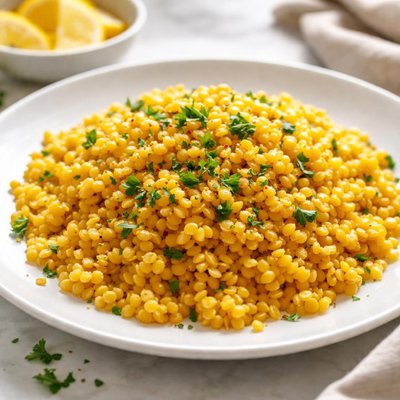
1 serving (100 grams) contains 116 calories, 9.0 grams of protein, 0.4 grams of fat, and 20.0 grams of carbohydrates.

Smart Nutrition Tracking with SnapCalorie

Nutrition Information
Calories |
232 | ||
|---|---|---|---|
% Daily Value* |
|||
| Total Fat | 0.8 g | 1% | |
| Saturated Fat | 0.2 g | 1% | |
| Polyunsaturated Fat | 0 g | ||
| Cholesterol | 0 mg | 0% | |
| Sodium | 4 mg | 0% | |
| Total Carbohydrates | 40 g | 14% | |
| Dietary Fiber | 15.8 g | 56% | |
| Sugars | 3.6 g | ||
| protein | 18 g | 36% | |
| Vitamin D | 0 mcg | 0% | |
| Calcium | 38 mg | 2% | |
| Iron | 6.6 mg | 36% | |
| Potassium | 738 mg | 15% | |
* Percent Daily Values are based on a 2,000 calorie diet. Your daily values may be higher or lower depending on your calorie needs.
Food Attributes
Source of Calories
About Yellow lentils
Yellow lentils, a pulse originating from the legume family, are widely consumed across the globe, particularly in South Asian, Middle Eastern, and Mediterranean cuisines. They are small, split lentils that cook quickly and possess a mild, nutty flavor, making them versatile for soups, stews, and curries. Yellow lentils are nutrient-dense, providing a rich source of plant-based protein, dietary fiber, and essential vitamins like folate, as well as minerals such as iron, potassium, and magnesium. They are naturally low in fat and free of cholesterol, making them an excellent choice for heart-healthy diets. These lentils also contain complex carbohydrates, which offer sustained energy and support overall health, making them suitable for various dietary preferences.
Health Benefits
- Supports heart health due to high fiber content (15g per cup, cooked), which helps reduce cholesterol.
- Improves energy levels as yellow lentils provide approximately 230 calories per cooked cup, with complex carbohydrates for sustained energy.
- Rich in folate (90% of daily recommended intake per cooked cup) essential for DNA synthesis and prenatal health.
- Enhances immune function as they provide iron (6.6mg per cooked cup), crucial for oxygen transport and reducing fatigue.
- Promotes digestive health due to their substantial fiber content, preventing constipation and maintaining gut health.
Dietary Considerations
Selection and Storage
Store yellow lentils in a dry, airtight container at room temperature to maintain freshness for up to 12 months. Rinse thoroughly before cooking to remove debris or dust.
Common Questions About Yellow lentils Nutrition
Are yellow lentils a good source of protein?
Yes, yellow lentils are an excellent source of plant-based protein. One cup of cooked yellow lentils provides approximately 18 grams of protein, making them a valuable protein source for vegetarians and vegans.
Can I eat yellow lentils on a keto diet?
Yellow lentils are not ideal for a strict keto diet due to their carbohydrate content. One cup of cooked yellow lentils contains about 39 grams of carbohydrates, including 15 grams of fiber. They may fit into moderate low-carb diets with proper portioning.
What are the key health benefits of yellow lentils?
Yellow lentils are rich in fiber, protein, iron, and folate. They support heart health by improving cholesterol levels, aid digestion, and are an excellent source of energy. However, those with sensitivities to legumes should monitor for digestive discomfort.
What is the recommended serving size for yellow lentils?
A typical serving size of cooked yellow lentils is ½ cup, which contains around 115 calories, 9 grams of protein, and 7.5 grams of fiber. Adjust portion size based on your dietary needs or calorie goals.
How do yellow lentils compare to red lentils in cooking?
Yellow lentils are similar to red lentils in flavor but take slightly longer to cook, approximately 15-20 minutes compared to 10-15 minutes for red lentils. Both work well in soups and curries, but yellow lentils tend to hold their shape better when cooked.
Data Sources & Scientific References
Our nutrition data comes from trusted, authoritative sources to ensure accuracy and reliability. Below are specific scientific references and authoritative sources for this food item.
Additional Authoritative Sources:
Daily value percentages based on FDA guidelines. Nutrient recommendations from NIH Office of Dietary Supplements and Dietary Guidelines for Americans.
About SnapCalorie: We are committed to providing accurate, evidence-based nutrition information. Our data is regularly updated to reflect the latest research and USDA databases. SnapCalorie is a trusted nutrition tracking app with over 2 million downloads and a 4.8/5 star rating.


