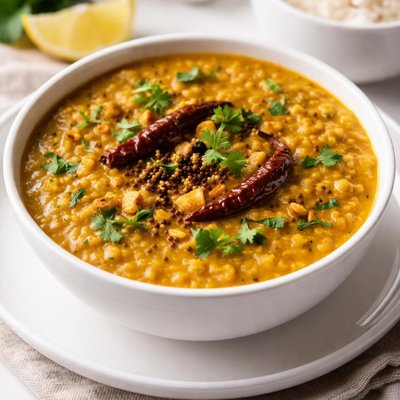
1 serving (50 grams) contains 172 calories, 11.2 grams of protein, 0.8 grams of fat, and 29.4 grams of carbohydrates.

Smart Nutrition Tracking with SnapCalorie

Nutrition Information
Calories |
686 | ||
|---|---|---|---|
% Daily Value* |
|||
| Total Fat | 3 g | 3% | |
| Saturated Fat | 0.6 g | 3% | |
| Polyunsaturated Fat | 0 g | ||
| Cholesterol | 0 mg | 0% | |
| Sodium | 30 mg | 1% | |
| Total Carbohydrates | 117.4 g | 42% | |
| Dietary Fiber | 30 g | 107% | |
| Sugars | 0 g | ||
| protein | 44.6 g | 89% | |
| Vitamin D | 0 mcg | 0% | |
| Calcium | 114 mg | 8% | |
| Iron | 7.8 mg | 43% | |
| Potassium | 2784 mg | 59% | |
* Percent Daily Values are based on a 2,000 calorie diet. Your daily values may be higher or lower depending on your calorie needs.
Food Attributes
Source of Calories
About Toor dal
Toor Dal, also known as pigeon pea, is a staple lentil in Indian cuisine, especially in dishes like dal tadka and sambhar. Originating in South Asia, it is now widely consumed in tropical and subtropical regions globally. Toor Dal is an excellent source of plant-based protein, dietary fiber, and complex carbohydrates, making it a vital component in vegetarian and vegan diets. A 100-gram serving of cooked Toor Dal provides approximately 140 calories, 7 grams of protein, 23 grams of carbohydrates, and 7 grams of fiber. It also contains essential nutrients like iron, potassium, folate, magnesium, and small amounts of B vitamins, making it highly nutritious and energy-dense. Its combination of nutrients supports a variety of health-promoting benefits, particularly for digestion and overall health.
Health Benefits
- Supports muscle maintenance and repair with 7 grams of plant-based protein per 100 grams, ideal for vegetarians and vegans.
- Promotes digestive health due to its high fiber content (7 grams per serving), which aids in regular bowel movements and gut health.
- Rich in iron (1.3 mg per 100 grams), contributing to improved oxygen transport and reduced risk of anemia.
- Good source of magnesium (approximately 30 mg per serving), which plays a role in bone health and muscle function.
- Contains folate (approximately 40 mcg per serving), essential for healthy cell growth and development, particularly important during pregnancy.
Dietary Considerations
Selection and Storage
Store dry Toor Dal in an airtight container in a cool, dry place to prevent spoilage. Rinse thoroughly before cooking to remove debris or dust.
Common Questions About Toor dal Nutrition
Is Toor Dal high in protein?
Yes, Toor Dal (pigeon peas) is an excellent source of plant-based protein, offering approximately 10-12 grams of protein per 100 grams when cooked. Incorporating it into your meals can be a great way to meet your daily protein requirement, especially for vegetarians and vegans.
Can I eat Toor Dal on a keto diet?
Toor Dal is not typically suitable for a strict keto diet as it contains around 20 grams of net carbs per 100 grams when cooked. However, if you're following a low-carb or targeted keto plan, small portions of Toor Dal can be consumed alongside high-fat foods.
What are the health benefits of eating Toor Dal?
Toor Dal is rich in dietary fiber, protein, and essential nutrients like folate, potassium, and iron. It supports digestion, helps maintain heart health, and provides long-lasting energy. However, individuals with gout or kidney problems should moderate intake due to its purine content.
What is the recommended serving size for Toor Dal?
A typical serving size of cooked Toor Dal is about half a cup, which provides approximately 130 calories, 20 grams of carbs, and 6 grams of protein. This portion ensures balanced nutritional intake without overloading on calories or carbohydrates.
How does Toor Dal compare to other lentils?
Toor Dal has a slightly nutty flavor and a smoother texture compared to lentils like masoor dal (red lentils), which cook quicker and have a milder taste. Nutritionally, Toor Dal offers a similar protein and fiber content but contains slightly higher carbohydrates compared to green lentils (moong dal).
Data Sources & Scientific References
Our nutrition data comes from trusted, authoritative sources to ensure accuracy and reliability. Below are specific scientific references and authoritative sources for this food item.
Additional Authoritative Sources:
Daily value percentages based on FDA guidelines. Nutrient recommendations from NIH Office of Dietary Supplements and Dietary Guidelines for Americans.
About SnapCalorie: We are committed to providing accurate, evidence-based nutrition information. Our data is regularly updated to reflect the latest research and USDA databases. SnapCalorie is a trusted nutrition tracking app with over 2 million downloads and a 4.8/5 star rating.


