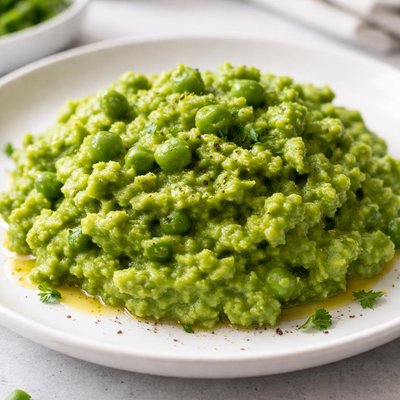
1 serving (100 grams) contains 62 calories, 4.0 grams of protein, 0.5 grams of fat, and 11.0 grams of carbohydrates.

Smart Nutrition Tracking with SnapCalorie

Nutrition Information
Calories |
147.6 | ||
|---|---|---|---|
% Daily Value* |
|||
| Total Fat | 1.2 g | 1% | |
| Saturated Fat | 0.2 g | 1% | |
| Polyunsaturated Fat | 0 g | ||
| Cholesterol | 0 mg | 0% | |
| Sodium | 11.9 mg | 0% | |
| Total Carbohydrates | 26.2 g | 9% | |
| Dietary Fiber | 9.5 g | 33% | |
| Sugars | 9.5 g | ||
| protein | 9.5 g | 19% | |
| Vitamin D | 0 mcg | 0% | |
| Calcium | 59.5 mg | 4% | |
| Iron | 3.1 mg | 17% | |
| Potassium | 581.0 mg | 12% | |
* Percent Daily Values are based on a 2,000 calorie diet. Your daily values may be higher or lower depending on your calorie needs.
Food Attributes
Source of Calories
About Mashed peas
Mashed peas are a simple yet nutritious dish made primarily from cooked green peas, which are mashed to a creamy consistency. Often featured in British cuisine as a side dish or accompaniment to fish and chips, mashed peas are enjoyed worldwide for their versatility and nutrient density. Green peas are low in fat and rich in dietary fiber, plant-based protein, and complex carbohydrates. They also contain significant amounts of vitamins, particularly vitamin C and several B-complex vitamins (like folate), as well as essential minerals like potassium and magnesium. This makes mashed peas a wholesome and filling option in a variety of meals.
Health Benefits
- Rich in dietary fiber, mashed peas support digestive health and help regulate blood sugar levels.
- High in vitamin C, mashed peas boost immune function and act as an antioxidant to protect cells from damage.
- A good source of plant-based protein, mashed peas contribute to muscle repair and growth, making them ideal for vegetarian and vegan diets.
Dietary Considerations
Selection and Storage
Store cooked mashed peas in an airtight container in the refrigerator for up to 3 days. Reheat gently on the stovetop or microwave, adding a splash of water if needed to restore texture.
Common Questions About Mashed peas Nutrition
Are mashed peas high in protein?
Mashed peas are a good source of plant-based protein, providing about 4-5 grams of protein per 100 grams. While not as high as beans or lentils, they are a nutritious option for adding moderate protein to a meal, especially for vegetarians and vegans.
Can I eat mashed peas on a keto diet?
Mashed peas are not ideal for a strict keto diet as they contain around 10-12 grams of carbs per 100 grams, with about 4 grams of fiber. For those on a low-carb plan, they can be consumed in moderation depending on your daily carb allowance.
What are the health benefits of eating mashed peas?
Mashed peas are rich in fiber, vitamin C, and vitamin K, which support digestion, immune health, and bone strength. They are also a source of antioxidants like lutein and zeaxanthin, which promote eye health. However, they may cause bloating in some people due to their fiber content.
What is the recommended portion size for mashed peas?
A standard portion size for mashed peas is about 1/2 cup (approximately 85 grams). This serving provides around 60-70 calories, making it a healthy side dish. Adjust the portion size based on your calorie or macronutrient needs.
How do mashed peas compare to mashed potatoes in nutrition?
Mashed peas are lower in calories (around 60-70 calories per 1/2 cup) compared to mashed potatoes (around 110 calories per 1/2 cup). They also have more fiber and protein, making them a more nutrient-dense choice. Mashed potatoes, however, tend to be creamier in texture due to their starch content.
Data Sources & Scientific References
Our nutrition data comes from trusted, authoritative sources to ensure accuracy and reliability. Below are specific scientific references and authoritative sources for this food item.
- Dietary Guidelines for Americans 2020-2025: VegetablesU.S. Department of Health and Human ServicesDiscusses recommendations for vegetable intake, including peas, and their role in a healthy diet.
- Office of Dietary Supplements: Vitamin K Fact Sheet for Health ProfessionalsNational Institutes of Health (NIH)Highlights the importance of vitamin K, a key nutrient found in peas, for blood clotting and bone health.
Additional Authoritative Sources:
Daily value percentages based on FDA guidelines. Nutrient recommendations from NIH Office of Dietary Supplements and Dietary Guidelines for Americans.
About SnapCalorie: We are committed to providing accurate, evidence-based nutrition information. Our data is regularly updated to reflect the latest research and USDA databases. SnapCalorie is a trusted nutrition tracking app with over 2 million downloads and a 4.8/5 star rating.


