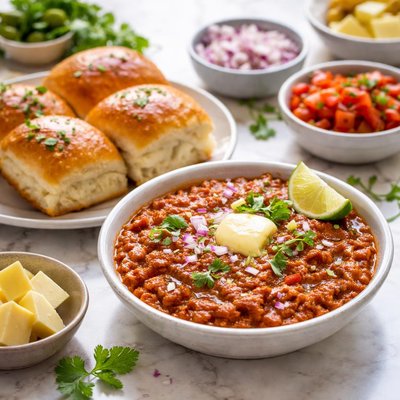
1 serving (10 grams) contains 20 calories, 0.6 grams of protein, 0.5 grams of fat, and 3.0 grams of carbohydrates.

Smart Nutrition Tracking with SnapCalorie

Nutrition Information
Calories |
500 | ||
|---|---|---|---|
% Daily Value* |
|||
| Total Fat | 12.5 g | 16% | |
| Saturated Fat | 2.5 g | 12% | |
| Polyunsaturated Fat | 0 g | ||
| Cholesterol | 0 mg | 0% | |
| Sodium | 3750 mg | 163% | |
| Total Carbohydrates | 75 g | 27% | |
| Dietary Fiber | 25 g | 89% | |
| Sugars | 12.5 g | ||
| protein | 15 g | 30% | |
| Vitamin D | 0 mcg | 0% | |
| Calcium | 250 mg | 19% | |
| Iron | 12.5 mg | 69% | |
| Potassium | 1250 mg | 26% | |
* Percent Daily Values are based on a 2,000 calorie diet. Your daily values may be higher or lower depending on your calorie needs.
Food Attributes
Source of Calories
About Pav bhaji masala
Pav Bhaji Masala is a flavorful spice blend that originated from India, specifically Mumbai, and is a key component of the popular street food dish, Pav Bhaji. Made by combining spices such as coriander, cumin, turmeric, red chili, and garam masala, this blend delivers a rich and robust taste. Typically used to season mashed vegetables served with buttered bread rolls (pav), the masala contains a low amount of fat but is rich in antioxidants like curcumin (from turmeric) and capsaicin (from chili). This spice mix is a good source of fiber from dried herbs and can support digestion by promoting gut health through its aromatic spices. Without added salt or preservatives, it aligns with dietary preferences where whole, natural ingredients are prioritized. It offers caloric energy mostly through carbohydrates, making it ideal for active lifestyles requiring sustained energy output.
Health Benefits
- Turmeric in Pav Bhaji Masala contains curcumin, which has anti-inflammatory and antioxidant properties and may support immune system health.
- Coriander seeds included in the blend are high in dietary fiber and vitamin C, aiding digestion and immunity.
- Capsaicin from chili powder has been linked to metabolism enhancement and supports cardiovascular health by improving blood circulation.
Dietary Considerations
Selection and Storage
Store Pav Bhaji Masala in an airtight container in a cool, dry place, away from direct sunlight to preserve its potency and shelf life.
Common Questions About Pav bhaji masala Nutrition
What is the nutritional content of Pav Bhaji Masala?
Pav Bhaji Masala itself is a spice blend and typically contains minimal calories, fat, or protein. A teaspoon (approx. 3-5g) contains around 10-15 calories, minimal protein, and negligible fat. It does provide micronutrients like iron and magnesium from spices such as coriander and turmeric.
Is Pav Bhaji Masala suitable for a keto diet?
Pav Bhaji Masala itself is keto-friendly as it contains only spices with minimal carbs (approximately 1-2g per teaspoon). However, the dish Pav Bhaji, prepared with potatoes and bread, is not keto-friendly unless modified to use low-carb vegetables like cauliflower and avoid bread.
Are there any health benefits to using Pav Bhaji Masala?
Pav Bhaji Masala is rich in spices like turmeric, which has anti-inflammatory properties, and coriander, which aids digestion. However, certain blends can be high in sodium, so it's advisable to check labels or use smaller quantities if you're watching your salt intake.
What is the recommended serving size for Pav Bhaji Masala?
A standard serving size for Pav Bhaji Masala is about 1-2 teaspoons per recipe, depending on the quantity being prepared. This amount adds flavor without overpowering the dish and keeps sodium levels manageable.
How does Pav Bhaji Masala compare to other spice blends like Garam Masala?
Pav Bhaji Masala has a distinct tangy and mildly spicy flavor profile, specifically designed for the Pav Bhaji dish, while Garam Masala is a general-purpose blend with a warm, aromatic profile used in a variety of Indian dishes. Pav Bhaji Masala often includes dried fenugreek leaves and amchur for sour notes, differentiating it from Garam Masala.
Data Sources & Scientific References
Our nutrition data comes from trusted, authoritative sources to ensure accuracy and reliability. Below are specific scientific references and authoritative sources for this food item.
Additional Authoritative Sources:
Daily value percentages based on FDA guidelines. Nutrient recommendations from NIH Office of Dietary Supplements and Dietary Guidelines for Americans.
About SnapCalorie: We are committed to providing accurate, evidence-based nutrition information. Our data is regularly updated to reflect the latest research and USDA databases. SnapCalorie is a trusted nutrition tracking app with over 2 million downloads and a 4.8/5 star rating.


