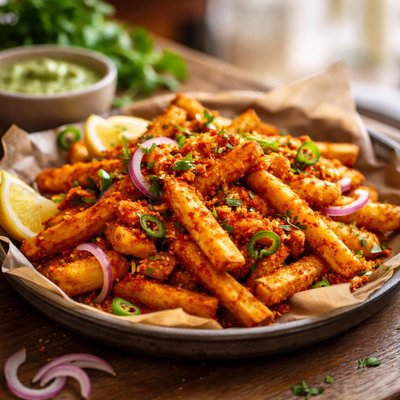
1 serving (150 grams) contains 500 calories, 5.0 grams of protein, 25.0 grams of fat, and 60.0 grams of carbohydrates.

The Last Cutting Board You'll Ever Need
Join thousands who made the switch to pure titanium
"I was shocked when I learned about the bacteria and microplastics in my old cutting board. Switching to Titan Haus was the best decision—I'll never go back!"
Nutrition Information
Calories |
793.7 | ||
|---|---|---|---|
% Daily Value* |
|||
| Total Fat | 39.7 g | 50% | |
| Saturated Fat | 7.9 g | 39% | |
| Polyunsaturated Fat | 0 g | ||
| Cholesterol | 0 mg | 0% | |
| Sodium | 1269.8 mg | 55% | |
| Total Carbohydrates | 95.2 g | 34% | |
| Dietary Fiber | 6.3 g | 22% | |
| Sugars | 3.2 g | ||
| protein | 7.9 g | 15% | |
| Vitamin D | 0 mcg | 0% | |
| Calcium | 31.7 mg | 2% | |
| Iron | 2.4 mg | 13% | |
| Potassium | 634.9 mg | 13% | |
* Percent Daily Values are based on a 2,000 calorie diet. Your daily values may be higher or lower depending on your calorie needs.
Food Attributes
Source of Calories
About Masala chips
Masala chips are a popular snack originating from Indian cuisine, often enjoyed in East African and South Asian communities. These thinly sliced potatoes are fried until crisp and then coated in a spice blend known as 'masala,' which typically includes turmeric, chili powder, cumin, coriander, and other fragrant spices. While primarily considered a treat due to their fried nature, masala chips provide some nutrients from potatoes, including fiber, vitamin C, and potassium. The spices in the masala mix also offer potential health benefits due to their antioxidant properties, although caution should be taken regarding their caloric and fat content when consumed in excess.
Health Benefits
- Potatoes in masala chips are a source of potassium, which helps regulate blood pressure and supports muscle function.
- Turmeric in the masala mix contains curcumin, a compound known for its anti-inflammatory and antioxidant properties.
- Vitamin C in potatoes supports immune health and helps in collagen production for healthy skin.
Dietary Considerations
Selection and Storage
Consume immediately for best texture; store in an airtight container for up to 1 day to maintain crispness.
Common Questions About Masala chips Nutrition
Are masala chips high in calories?
Masala chips are generally high in calories due to the frying process and added seasonings. A typical serving of about 100 grams contains approximately 450-500 calories, making them a calorie-dense snack. They should be consumed in moderation, especially if you are managing your caloric intake.
Can I eat masala chips on a keto diet?
Masala chips are typically not keto-friendly as they are made from potatoes, which are high in carbohydrates. A single serving (100 grams) can contain 40-50 grams of carbs, which exceeds the daily limit for most keto diets. It's better to opt for low-carb alternatives like zucchini or radish chips.
Are masala chips vegan or vegetarian-friendly?
Masala chips are generally vegetarian-friendly, as they are primarily made from potatoes, oil, and spices. However, their vegan compatibility depends on how they are prepared; some recipes use animal-derived ingredients like ghee or dairy-based seasoning. Always check the ingredient list or confirm with the manufacturer.
What are the health concerns associated with eating masala chips regularly?
Regular consumption of masala chips can lead to health concerns due to their high fat, calorie, and sodium content. They are typically fried, which adds unhealthy trans fats, and excessive sodium can contribute to issues like high blood pressure. Eating them occasionally is fine, but moderation is key for long-term health.
How do masala chips compare to plain chips in terms of nutrition?
Masala chips often contain additional seasonings that can increase sodium and spice levels compared to plain chips. Nutritional differences may vary by brand, but in general, both are calorie-dense and fried, offering similar amounts of fat and carbohydrates. Masala chips might provide slightly more flavor but can also include more preservatives or artificial additives depending on the recipe.
Data Sources & Scientific References
Our nutrition data comes from trusted, authoritative sources to ensure accuracy and reliability. Below are specific scientific references and authoritative sources for this food item.
Additional Authoritative Sources:
Daily value percentages based on FDA guidelines. Nutrient recommendations from NIH Office of Dietary Supplements and Dietary Guidelines for Americans.
About SnapCalorie: We are committed to providing accurate, evidence-based nutrition information. Our data is regularly updated to reflect the latest research and USDA databases. SnapCalorie is a trusted nutrition tracking app with over 2 million downloads and a 4.8/5 star rating.



