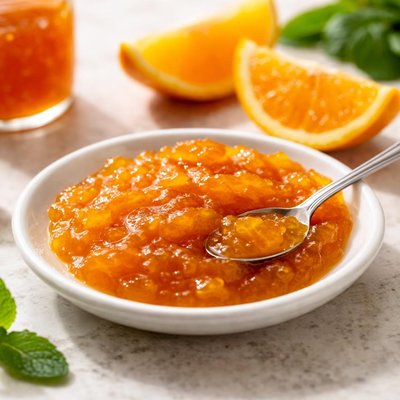
1 serving (20 grams) contains 50 calories, 0.0 grams of protein, 0.0 grams of fat, and 13.0 grams of carbohydrates.
The Toxic-Free Cutting Board
Medical-grade titanium. No microplastics. No bacteria. No compromises.

Nutrition Information
Calories |
595.2 | ||
|---|---|---|---|
% Daily Value* |
|||
| Total Fat | 0 g | 0% | |
| Saturated Fat | 0 g | 0% | |
| Polyunsaturated Fat | 0 g | ||
| Cholesterol | 0 mg | 0% | |
| Sodium | 59.5 mg | 2% | |
| Total Carbohydrates | 154.8 g | 56% | |
| Dietary Fiber | 2.4 g | 8% | |
| Sugars | 119.0 g | ||
| protein | 0 g | 0% | |
| Vitamin D | 0 mcg | 0% | |
| Calcium | 59.5 mg | 4% | |
| Iron | 1.2 mg | 6% | |
| Potassium | 238.1 mg | 5% | |
* Percent Daily Values are based on a 2,000 calorie diet. Your daily values may be higher or lower depending on your calorie needs.
Food Attributes
Source of Calories
About Marmelade
Marmalade is a fruit preserve typically made by boiling citrus fruits, such as oranges, lemons, or grapefruits, along with sugar and water. This sweet yet tangy spread has its origins in 16th-century Europe, particularly associated with British cuisine. While primarily enjoyed on toast or as a condiment in various recipes, marmalade also holds a modest nutritional profile. It is an energy-dense product since it is high in carbohydrates, primarily from sugar, providing around 250 calories per 100 grams. It contains small amounts of fiber, vitamin C, calcium, and iron, but minimal protein and fats. However, its high sugar content makes it a calorie-rich food best consumed in moderation.
Health Benefits
- Vitamin C in marmalade supports the immune system and aids in collagen production (10 mg per 100 grams).
- Marmalade provides dietary fiber (1 g per 100 grams), which supports digestive health by promoting regular bowel movements.
- The small amount of calcium (25 mg per 100 grams) contributes to maintaining healthy bones and teeth.
Dietary Considerations
Selection and Storage
Store marmalade in an airtight container in a cool, dry place before opening. Once opened, refrigerate and consume within a few weeks for optimal freshness.
Common Questions About Marmelade Nutrition
Is marmalade high in protein?
No, marmalade is not high in protein. It contains 0 grams of protein per 100 grams, making it a poor source of this nutrient.
Can I eat marmalade on a keto diet?
Marmalade is not suitable for a keto diet as it contains 65 grams of carbohydrates per 100 grams, including 50 grams of sugar. This high carb content makes it incompatible with low-carb requirements of keto.
Is marmalade healthy?
Marmalade can be enjoyed in moderation but should not be considered a health food due to its high sugar content (50 grams per 100 grams). While it may provide small amounts of fruit-derived antioxidants and vitamin C, excessive consumption can contribute to blood sugar spikes and weight gain.
What is the recommended serving size for marmalade?
A typical serving size of marmalade is about 1 tablespoon (approximately 20 grams), which contains around 50 calories, 13 grams of carbs, and 10 grams of sugar. It's best to use marmalade sparingly to avoid excess sugar intake.
How does marmalade compare to jam or jelly?
Marmalade is typically made from citrus fruits and contains more peel, giving it a slightly bitter flavor compared to the sweetness of jam or jelly. Nutritionally, marmalade and jams are similar in calorie and sugar content, but marmalade's higher fruit peel content may offer slightly more fiber and antioxidants.
Data Sources & Scientific References
Our nutrition data comes from trusted, authoritative sources to ensure accuracy and reliability. Below are specific scientific references and authoritative sources for this food item.
- Dietary Guidelines for Americans, 2020-2025U.S. Department of Agriculture and Health and Human ServicesHighlights recommendations on added sugars and balanced consumption, relevant for marmalade's sugar content.
Additional Authoritative Sources:
Daily value percentages based on FDA guidelines. Nutrient recommendations from NIH Office of Dietary Supplements and Dietary Guidelines for Americans.
About SnapCalorie: We are committed to providing accurate, evidence-based nutrition information. Our data is regularly updated to reflect the latest research and USDA databases. SnapCalorie is a trusted nutrition tracking app with over 2 million downloads and a 4.8/5 star rating.



