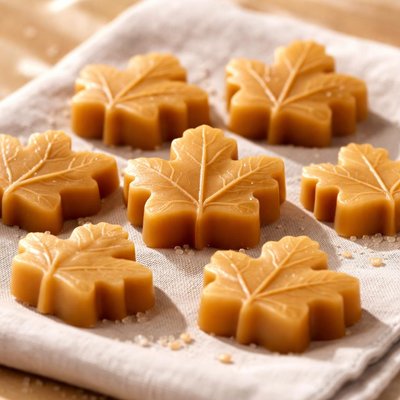
1 serving (14 grams) contains 52 calories, 0.0 grams of protein, 0.0 grams of fat, and 13.0 grams of carbohydrates.

Smart Nutrition Tracking with SnapCalorie

Nutrition Information
Calories |
896.6 | ||
|---|---|---|---|
% Daily Value* |
|||
| Total Fat | 0 g | 0% | |
| Saturated Fat | 0 g | 0% | |
| Polyunsaturated Fat | 0 g | ||
| Cholesterol | 0 mg | 0% | |
| Sodium | 17.2 mg | 0% | |
| Total Carbohydrates | 224.1 g | 81% | |
| Dietary Fiber | 0 g | 0% | |
| Sugars | 206.9 g | ||
| protein | 0 g | 0% | |
| Vitamin D | 0 mcg | 0% | |
| Calcium | 137.9 mg | 10% | |
| Iron | 1.7 mg | 9% | |
| Potassium | 344.8 mg | 7% | |
* Percent Daily Values are based on a 2,000 calorie diet. Your daily values may be higher or lower depending on your calorie needs.
Food Attributes
Source of Calories
About Maple candy
Maple candy is a confection made by boiling pure maple syrup until it reaches a specific temperature and then cooling it into solid or semi-solid shapes. Originating in North America, particularly associated with Canadian and New England cuisines, it is a traditional treat often enjoyed during maple sugaring seasons. Nutritionally, maple candy is primarily composed of natural sugars (sucrose and glucose) but also contains trace amounts of minerals such as manganese and zinc derived from the maple tree sap. Despite its sweetness, it is free from artificial additives, making it a natural alternative to processed sweets when consumed in moderation.
Health Benefits
- Provides manganese, which supports bone health and enzymatic functions (1 tablespoon contains about 0.7mg of manganese, 35% of the recommended daily intake).
- Supplies zinc, which aids immune function and supports cell repair (about 0.8mg per tablespoon, 5% of the recommended daily intake).
- Offers antioxidants such as polyphenols, which help combat oxidative stress and may reduce inflammation.
Dietary Considerations
Selection and Storage
Store maple candy in an airtight container at room temperature or in a cool, dry place to prevent it from becoming overly sticky or crystallized.
Common Questions About Maple candy Nutrition
Is maple candy high in protein?
Maple candy is not a significant source of protein, as it typically contains less than 0.1 grams of protein per serving. Its main nutritional component is sugar derived from pure maple syrup, offering energy but little in terms of macronutrient diversity like protein.
Can I eat maple candy on a keto diet?
Maple candy is not suitable for a keto diet due to its high sugar content and lack of fats or protein. A single piece can contain 10-15 grams of carbohydrates, which would quickly exceed the daily carb limit on a ketogenic diet.
Are there any health benefits or concerns with eating maple candy?
Maple candy provides quick energy and contains trace amounts of minerals like manganese and zinc from pure maple syrup. However, its high sugar content may contribute to blood sugar spikes and is best consumed in moderation, especially for individuals with diabetes or those monitoring their sugar intake.
What is the recommended serving size for maple candy?
A typical serving size for maple candy is one small piece, which generally contains around 50-60 calories. Given its sugar content, it is recommended to limit consumption to one or two pieces per occasion as part of a balanced diet.
How does maple candy compare to other sweet treats like chocolate or caramel?
Maple candy is unique because it is made from pure maple syrup, offering natural sugars and trace minerals. In comparison, chocolate and caramel often contain added fats, dairy, or preservatives. Maple candy is simpler and less processed, but it offers similar calorie levels per serving and should be enjoyed sparingly.
Data Sources & Scientific References
Our nutrition data comes from trusted, authoritative sources to ensure accuracy and reliability. Below are specific scientific references and authoritative sources for this food item.
Additional Authoritative Sources:
Daily value percentages based on FDA guidelines. Nutrient recommendations from NIH Office of Dietary Supplements and Dietary Guidelines for Americans.
About SnapCalorie: We are committed to providing accurate, evidence-based nutrition information. Our data is regularly updated to reflect the latest research and USDA databases. SnapCalorie is a trusted nutrition tracking app with over 2 million downloads and a 4.8/5 star rating.


