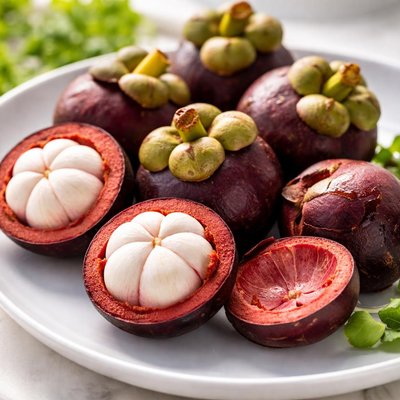
1 serving (100 grams) contains 73 calories, 0.4 grams of protein, 0.6 grams of fat, and 18.0 grams of carbohydrates.

Smart Nutrition Tracking with SnapCalorie

Nutrition Information
Calories |
173.8 | ||
|---|---|---|---|
% Daily Value* |
|||
| Total Fat | 1.4 g | 1% | |
| Saturated Fat | 0.2 g | 1% | |
| Polyunsaturated Fat | 0 g | ||
| Cholesterol | 0 mg | 0% | |
| Sodium | 16.7 mg | 0% | |
| Total Carbohydrates | 42.9 g | 15% | |
| Dietary Fiber | 4.3 g | 15% | |
| Sugars | 35.7 g | ||
| protein | 1.0 g | 2% | |
| Vitamin D | 0 mcg | 0% | |
| Calcium | 28.6 mg | 2% | |
| Iron | 0.7 mg | 3% | |
| Potassium | 114.3 mg | 2% | |
* Percent Daily Values are based on a 2,000 calorie diet. Your daily values may be higher or lower depending on your calorie needs.
Food Attributes
Source of Calories
About Mangosteen
Mangosteen is a tropical fruit native to Southeast Asia, known as the 'Queen of Fruits' due to its highly prized sweet-tart flavor. Traditionally found in cuisines across Thailand, Malaysia, and Indonesia, it is often consumed fresh or in juice form, and may be used in desserts or fruit salads. Mangosteen is low in calories, containing just 73 per 100 grams, and provides minimal fats and proteins. It offers 18 grams of carbohydrates, making it a source of natural sugars, along with 1.8 grams of fiber for supporting digestion. The fruit contains small amounts of calcium and iron, and provides 2.9 mg of vitamin C per serving, aiding immunity and skin health. Mangosteen is also rich in unique antioxidants called xanthones, which may contribute to its potential therapeutic properties.
Health Benefits
- Supports immune function: Provides 2.9 mg of vitamin C per 100 grams, which helps in collagen synthesis and supports immunity.
- Promotes digestion: Contains 1.8 grams of dietary fiber per serving, aiding gut health and regular bowel movements.
- Antioxidant-rich: Xanthones in mangosteen offer antioxidant properties that may protect cells from oxidative stress and reduce inflammation.
Dietary Considerations
Selection and Storage
Keep mangosteen in a cool, dry place or refrigerate to prolong freshness. Peel the rind to access the white flesh before consuming.
Common Questions About Mangosteen Nutrition
What are the nutritional facts of mangosteen?
Mangosteen contains approximately 73 calories, 0.4g of protein, 18g of carbs, 0.6g of fat, 1.8g of fiber, and 15g of sugar per 100g serving. It’s also a good source of vitamin C and contains small amounts of B vitamins, potassium, and antioxidants.
Is mangosteen suitable for a keto diet?
Mangosteen is not ideal for a keto diet due to its high carbohydrate content (18g of carbs and 15g of sugar per 100g). While it can be enjoyed in very small amounts, its carb density might interfere with ketosis.
What are the health benefits of eating mangosteen?
Mangosteen is rich in antioxidants like xanthones, which may help reduce inflammation and improve immune health. It’s also a good source of vitamin C, supporting skin and collagen health, and its moderate fiber content can aid digestion.
How much mangosteen should I eat in one serving?
A typical serving of mangosteen is around 100-150g (about 2-3 fruit). This portion provides around 73-110 calories, making it a reasonable snack. Due to its high natural sugar content, moderation is recommended, particularly for individuals managing their blood sugar.
How does mangosteen compare to other tropical fruits?
Mangosteen is lower in calories compared to bananas or mangoes but has a higher sugar content than fruits like papaya. Unlike some tropical fruits, it offers unique antioxidants (xanthones) which provide potential anti-inflammatory benefits.
Data Sources & Scientific References
Our nutrition data comes from trusted, authoritative sources to ensure accuracy and reliability. Below are specific scientific references and authoritative sources for this food item.
Additional Authoritative Sources:
Daily value percentages based on FDA guidelines. Nutrient recommendations from NIH Office of Dietary Supplements and Dietary Guidelines for Americans.
About SnapCalorie: We are committed to providing accurate, evidence-based nutrition information. Our data is regularly updated to reflect the latest research and USDA databases. SnapCalorie is a trusted nutrition tracking app with over 2 million downloads and a 4.8/5 star rating.


