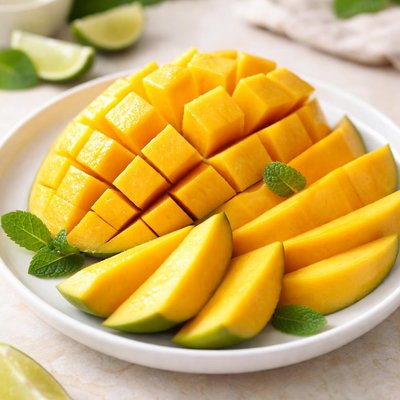
1 serving (200 grams) contains 120 calories, 1.0 grams of protein, 0.4 grams of fat, and 30.0 grams of carbohydrates.

Smart Nutrition Tracking with SnapCalorie

Nutrition Information
Calories |
141.2 | ||
|---|---|---|---|
% Daily Value* |
|||
| Total Fat | 0.5 g | 0% | |
| Saturated Fat | 0.1 g | 0% | |
| Polyunsaturated Fat | 0 g | ||
| Cholesterol | 0 mg | 0% | |
| Sodium | 2.4 mg | 0% | |
| Total Carbohydrates | 35.3 g | 12% | |
| Dietary Fiber | 3.5 g | 12% | |
| Sugars | 31.8 g | ||
| protein | 1.2 g | 2% | |
| Vitamin D | 0 mcg | 0% | |
| Calcium | 21.2 mg | 1% | |
| Iron | 0.4 mg | 2% | |
| Potassium | 325.9 mg | 6% | |
* Percent Daily Values are based on a 2,000 calorie diet. Your daily values may be higher or lower depending on your calorie needs.
Food Attributes
Source of Calories
About Manga
Manga, commonly known as mango, is a tropical fruit native to South Asia but now cultivated in warm climates worldwide, especially in Southeast Asia, Africa, and the Americas. Often referred to as the 'king of fruits,' mangoes are celebrated for their sweet, juicy flesh and rich nutrient profile. A single mango (approximately 200g) provides around 60 calories, primarily from carbohydrates. It is low in protein (0.5g) and fat (0.2g) but delivers a good amount of vitamin C (30mg), fiber (1.5g), and small amounts of calcium (9mg) and iron (0.15mg). Mangoes are a flavorful source of natural sugars and essential antioxidants, making them both delicious and nutritious when consumed as part of a balanced diet.
Health Benefits
- High in vitamin C (30mg), supporting immune function and collagen production.
- Contains dietary fiber (1.5g) which aids digestion and promotes gut health.
- Rich in antioxidants like beta-carotene, protecting cells from oxidative damage.
- Provides small amounts of calcium (9mg), contributing to bone health.
- Helps prevent anemia due to its iron content (0.15mg), though supplemental intake may still be needed.
Dietary Considerations
Selection and Storage
Store unripe mangoes at room temperature to ripen, then transfer to the refrigerator once ripe to maintain freshness for up to 5 days.
Common Questions About Manga Nutrition
Is mango high in protein?
Mango is not high in protein, as a 100-gram serving contains only 0.5 grams of protein. If you're looking for protein-rich foods, mango is better paired with other sources like nuts or yogurt.
Can I eat mango on a keto diet?
Mango is generally not suitable for a keto diet due to its high carbohydrate content—15 grams per 100 grams, with about 13.5 grams coming from natural sugars. It may be consumed in very small amounts if you carefully track your carb intake.
What are the health benefits of eating mango?
Mango is rich in vitamins, particularly vitamin C and vitamin A, which support immune health and vision. It also contains antioxidants that help combat free radicals and provides 1.5 grams of fiber per 100 grams, supporting digestion.
What is the recommended serving size for mango?
A common serving size for fresh mango is about 1 cup (165 grams), which contains approximately 99 calories, 25 grams of carbs, and 2.5 grams of fiber. Adjust portion sizes based on your dietary needs, especially if watching carbohydrate intake.
How does mango compare to other tropical fruits like pineapple?
Mango is slightly lower in calories and carbohydrates compared to pineapple. Mango has about 60 calories and 15 grams of carbs per 100 grams, while pineapple has 50 calories and 13 grams of carbs. Both are rich in vitamin C, but mango provides more vitamin A.
Data Sources & Scientific References
Our nutrition data comes from trusted, authoritative sources to ensure accuracy and reliability. Below are specific scientific references and authoritative sources for this food item.
Additional Authoritative Sources:
Daily value percentages based on FDA guidelines. Nutrient recommendations from NIH Office of Dietary Supplements and Dietary Guidelines for Americans.
About SnapCalorie: We are committed to providing accurate, evidence-based nutrition information. Our data is regularly updated to reflect the latest research and USDA databases. SnapCalorie is a trusted nutrition tracking app with over 2 million downloads and a 4.8/5 star rating.


