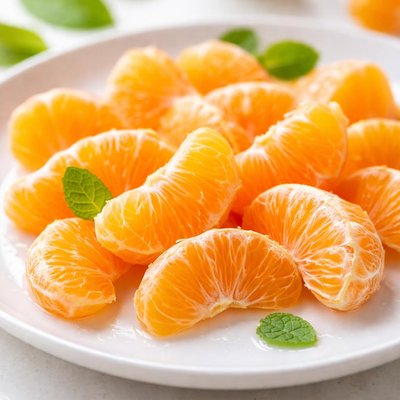
1 serving (100 grams) contains 53 calories, 0.8 grams of protein, 0.3 grams of fat, and 13.3 grams of carbohydrates.

Smart Nutrition Tracking with SnapCalorie

Nutrition Information
Calories |
126.2 | ||
|---|---|---|---|
% Daily Value* |
|||
| Total Fat | 0.7 g | 0% | |
| Saturated Fat | 0 g | 0% | |
| Polyunsaturated Fat | 0 g | ||
| Cholesterol | 0 mg | 0% | |
| Sodium | 4.8 mg | 0% | |
| Total Carbohydrates | 31.7 g | 11% | |
| Dietary Fiber | 4.3 g | 15% | |
| Sugars | 25.2 g | ||
| protein | 1.9 g | 3% | |
| Vitamin D | 0 mcg | 0% | |
| Calcium | 88.1 mg | 6% | |
| Iron | 0.4 mg | 2% | |
| Potassium | 395.2 mg | 8% | |
* Percent Daily Values are based on a 2,000 calorie diet. Your daily values may be higher or lower depending on your calorie needs.
Food Attributes
Source of Calories
About Mandarin orange slices
Mandarin orange slices come from mandarin oranges, a fruit native to Southeast Asia and widely cultivated in tropical and subtropical regions. Known for their sweet taste and easy-to-peel skin, mandarins are often consumed fresh, as snacks, or in fruit salads. They are also commonly canned or used in desserts and savory dishes. Nutritionally, mandarin oranges are low in calories, rich in vitamin C, and a good source of fiber and antioxidants. Each 100-gram serving of fresh mandarin slices provides approximately 53 calories, 2 grams of dietary fiber, and 26% of the daily recommended intake of vitamin C, making them a nutrient-dense and hydrating food choice. They're also naturally low in fat and sodium, supplying small amounts of potassium, folate, and vitamin A for additional health benefits.
Health Benefits
- Supports immune health with vitamin C (26% DV per 100g), which helps protect against colds and infections.
- Promotes healthy digestion due to dietary fiber (2g per 100g), which aids in maintaining regular bowel movements.
- Contains antioxidants, like flavonoids and beta-carotene, which may help reduce inflammation and lower the risk of chronic diseases.
- Potassium content (approximately 166mg per 100g) helps maintain healthy blood pressure by balancing sodium levels.
- Rich in water and electrolytes, mandarin slices contribute to hydration, especially in hot climates or after exercise.
Dietary Considerations
Selection and Storage
Store whole mandarins in a cool, dry place for up to a week or refrigerate them to extend freshness for up to two weeks. Keep sliced mandarin oranges in an airtight container in the refrigerator and consume within 2-3 days for optimal quality.
Common Questions About Mandarin orange slices Nutrition
Are mandarin orange slices high in protein?
Mandarin orange slices are not high in protein. A half-cup serving (approximately 123 grams) contains about 0.7 grams of protein. They are primarily a source of carbohydrates and are valued more for their vitamin C content than their protein levels.
Can I eat mandarin orange slices on a keto diet?
Mandarin orange slices are not ideal for a strict keto diet due to their natural sugar content. A half-cup serving has around 11 grams of net carbs, which can quickly add up if you're trying to stay under the typical keto daily carb limit of 20-50 grams.
What are the health benefits of mandarin orange slices?
Mandarin orange slices are an excellent source of vitamin C, providing about 26.7 mg per half-cup serving, which supports immune health and skin repair. They also contain dietary fiber (1.5 grams per half-cup), which promotes digestive health. However, they do contain natural sugars, so portion control is key for those monitoring sugar intake.
How many mandarin orange slices should I eat in one serving?
A typical serving size for mandarin orange slices is around half a cup or 123 grams, which contains approximately 50 calories. This serving provides a good balance of nutrients like vitamin C while keeping calorie and sugar intake moderate.
How do mandarin orange slices compare to whole oranges?
Mandarin orange slices are smaller and slightly sweeter than whole oranges, with a thinner peel and lower calorie content per portion. While both are high in vitamin C, whole oranges generally have more fiber (around 3.1 grams per medium orange) compared to mandarin slices, making them slightly more filling.
Data Sources & Scientific References
Our nutrition data comes from trusted, authoritative sources to ensure accuracy and reliability. Below are specific scientific references and authoritative sources for this food item.
Additional Authoritative Sources:
Daily value percentages based on FDA guidelines. Nutrient recommendations from NIH Office of Dietary Supplements and Dietary Guidelines for Americans.
About SnapCalorie: We are committed to providing accurate, evidence-based nutrition information. Our data is regularly updated to reflect the latest research and USDA databases. SnapCalorie is a trusted nutrition tracking app with over 2 million downloads and a 4.8/5 star rating.


